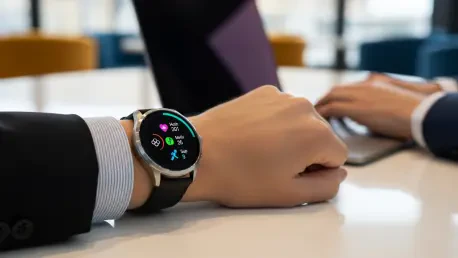

The global smartwatch market is currently undergoing a radical shift as affordable devices bridge the gap between budget trackers and luxury high-performance models. Historically, consumers had to choose between bare-bones fitness bands or expensive flagship devices that often exceeded several hundred dollars. However, the emergence of high-capability, low-cost options like the Rogbid Loop Air disrupts this binary choice by offering features once reserved for premium tiers. In an environment where value for money dictates consumer loyalty, manufacturers are finding ways to compress complex components into more accessible price points. This development raises a critical question about the sustainability of high-margin luxury wearables when functional parity becomes increasingly common. As 2026 progresses, the boundaries of what constitutes a premium experience are being redrawn by engineering efficiencies and aggressive market positioning. The sheer volume of hardware innovation allows smaller players to leverage mature supply chains effectively.
Engineering Standards and Market Disruption
To understand how a $60 device can challenge industry titans, one must examine the specific engineering choices that define its construction and user interface. The adoption of AMOLED technology at this price point represents a significant milestone, as it ensures high-contrast visuals and power efficiency that were previously the domain of flagship models. Furthermore, the physical design often incorporates metallic accents and refined ergonomics, moving away from the utilitarian aesthetic of older budget trackers. This shift in design philosophy suggests that manufacturers are no longer willing to compromise on look and feel to achieve a low price. By prioritizing the most visible and tactile aspects of the device, they create a product that feels “premium” during daily interactions. This strategy effectively targets the segment of the market that desires sophisticated aesthetics without the burden of a luxury price tag. Such developments force premium brands to innovate further to maintain their distinct market advantage.
Health Analytics: The Practical Utility of Modern Sensors
Beyond the external appearance, the core value proposition of any wearable rests on its ability to provide accurate health and fitness metrics consistently. The device integrates a suite of sensors designed to track heart rate, blood oxygen levels, and sleep patterns with a degree of precision that was once technically impossible at this price. While high-end competitors may offer specialized medical-grade certifications, the everyday utility provided by these sensors meets the needs of the vast majority of fitness enthusiasts. The inclusion of multi-sport modes allows for nuanced data collection across various activities, from traditional running and cycling to more niche pursuits like yoga or strength training. Data processing algorithms have matured to the point where they can filter out motion artifacts and environmental noise, delivering a clean stream of information to the paired smartphone application. This democratization of health data empowers users to monitor their physiological trends without needing to invest in professional-grade gear.
Strategic Outcomes: Navigating the Future of Hardware Adoption
The rise of capable alternatives demonstrated that the gap between budget and premium wearables narrowed significantly through 2026. Industry analysts observed that the traditional dominance of high-priced brands faced new pressures as manufacturing efficiencies allowed for the inclusion of AMOLED displays and advanced health sensors in entry-level models. Consumers who prioritized core functionality over brand prestige found that they no longer needed to spend hundreds of dollars to access reliable fitness tracking and smartphone integration. For organizations and individual users looking to implement wearable technology, the focus shifted toward evaluating specific use cases rather than assuming that higher prices guaranteed better results. Future strategies for hardware manufacturers involved a greater emphasis on software ecosystems and unique health insights to justify premium pricing. It became clear that the democratization of hardware components leveled the playing field, making value-driven choices the most logical path for the majority of the global market.