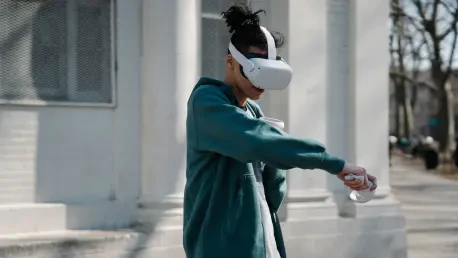

The recent merger between XRHealth and living brain focuses on stimulating neuroplasticity by providing multi-sensory environments that bridge the gap between clinical exercises and the practical demands of life. This strategic acquisition, finalized in late 2026, marks a pivotal expansion of the XRHealth digital ecosystem and signals a fundamental change in the therapeutic landscape. By incorporating sophisticated German engineering into a global distribution network, the company addresses the often-overlooked need for cognitive training that mimics the real world. Patients recovering from strokes or traumatic brain injuries frequently find that traditional pen-and-paper tasks do not prepare them for the sensory-rich experience of the physical world. Through this partnership, the focus shifts toward functional independence, allowing users to practice life skills in a safe, controlled virtual space. This immersive approach ensures that every session translates directly to improved quality of life and greater autonomy outside of a digital headset.
Strategic Vision: Bridging the Clinical Gap
The core philosophy behind the integration of this technology lies in the belief that therapy should feel less like a clinical chore and more like an organic interaction with one’s surroundings. Traditional rehabilitation methods often suffer from low patient adherence because the exercises can feel repetitive and disconnected from daily needs. In contrast, the use of virtual reality creates a sensory-rich environment where the brain is forced to process complex information, thereby triggering the reorganization of neural pathways. This process is essential for restoring lost functions after a neurological event. By providing multi-sensory stimulation, the combined expertise of these companies aims to accelerate the recovery timeline, allowing patients to regain motor and cognitive control faster than conventional methods allow. The strategic goal is to offer a continuum of care that starts in a clinical setting but transitions to the home, ensuring consistent and meaningful patient support.
Focus: Neuroplasticity and Recovery
Leadership from both organizations emphasizes that the collaboration is not just about hardware but about creating a sophisticated pedagogical framework for recovery. Julian Specht, the founder of living brain, has long advocated for rehabilitation that mirrors the natural ways humans learn and adapt. By leveraging a wider platform, these methodologies can now reach an international audience, providing a standardized yet highly flexible toolset for occupational therapists and neuropsychologists. The integration focuses on the “activities of daily living,” which are the building blocks of independence for any individual recovering from a disability. Whether it is learning how to manage a personal garden or navigating the complexities of a supermarket, the virtual scenarios are designed to challenge the user’s executive functions and memory in a realistic manner. This high level of engagement is what sets these digital therapeutics apart from the static software of previous years, offering a dynamic path to wellness.
The teora Ecosystem: Multi-Sensory Tools
The teora product suite stands as the technological foundation of this merger, offering a comprehensive array of tools that address both cognitive and motor rehabilitation. The flagship application, known as teora mind, provides patients with over twenty-five interactive scenarios that replicate common environments such as kitchens, gardens, and retail shops. These virtual spaces are not merely visual representations; they are highly customizable modules that allow therapists to adjust the difficulty level and specific cognitive demands based on the patient’s current progress. This customization ensures that the patient is always working within their optimal challenge zone, which is critical for maintaining motivation and achieving significant clinical gains. Furthermore, the application is one of the few virtual reality cognitive tools to have achieved MDR Class IIa medical device certification, ensuring a high standard of safety and efficacy for users across various demographics and levels of neurological impairment.
Validation: Clinical Efficacy and Safety
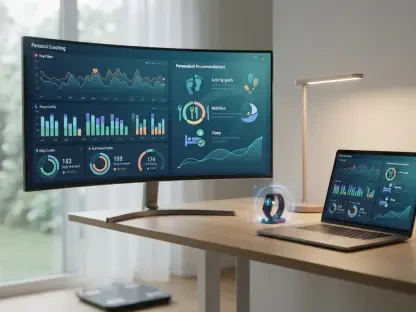
Complementing the cognitive focus is teora body, a specialized module designed specifically for upper-extremity motor rehabilitation. This tool uses movement-based exercises that encourage patients to engage in reach-and-grasp motions through playful and rewarding virtual interactions. By gamifying physical therapy, the system helps overcome the psychological barriers of boredom and fatigue that often hinder long-term recovery efforts. Supporting these patient-facing tools is a robust web-based application that serves as the administrative backbone for healthcare providers. This platform allows for real-time monitoring of training data and detailed tracking of therapeutic outcomes over long periods. Additionally, the supervisor tool enables clinicians to livestream the patient’s view to a tablet, allowing for immediate feedback and correction. This is particularly useful for remote sessions where direct observation is impossible, ensuring that every movement is performed correctly and safely.
Future Insights: Personalized Medicine Outcomes
The partnership between XRHealth and living brain successfully established a new paradigm for how medical professionals approached neurological recovery. By prioritizing immersive, real-world simulations, providers were able to offer a more compassionate and efficient way for patients to reclaim their independence. It became clear that the integration of multi-sensory tools into standard protocols was no longer optional but necessary for high-quality care. Moving forward, the industry demonstrated that decentralized models were the most effective way to meet global demand for chronic care. Clinicians should have continued to monitor data in real-time to ensure that interventions remained personalized and effective for every individual. Patients were encouraged to demand these sophisticated virtual solutions as a primary component of their rehabilitation journey. Ultimately, this merger showed that the fusion of neuropsychology and technology was the key to unlocking better outcomes for everyone involved.