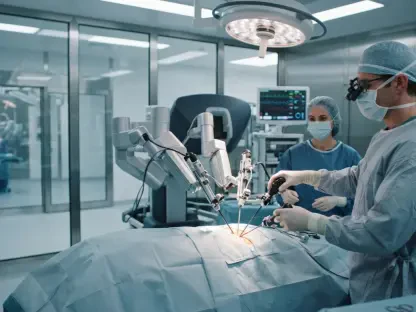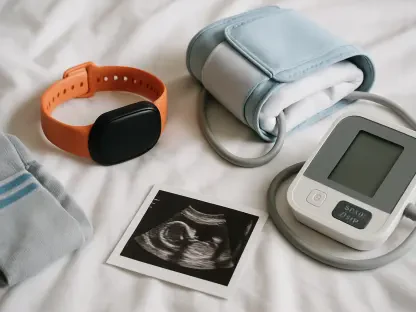

Maintaining public confidence in medical technology depends on a rigorous monitoring system that addresses device risks without discouraging the use of life-altering tools. The rapid shift from manual fingersticks to sophisticated automated insulin delivery systems represents one of the most
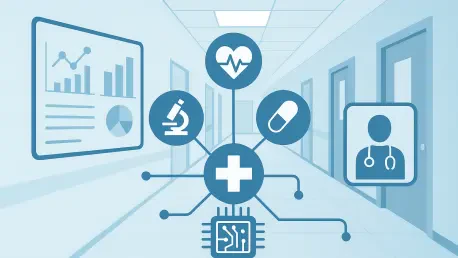
Monterrey’s Hospital Constitution Clinic is undergoing a MX$93 million renovation to install 85 specialized medical devices across its primary operating rooms. This significant capital injection represents just one facet of a broader national initiative spearheaded by the Institute for Social

Minnesota's legislative framework establishes a two-tiered approach that could force manufacturers to choose between costly compliance and exiting the state market entirely. As the state moves to implement some of the most stringent environmental regulations in the country, the intersection of

Educating parents on the safety and efficacy of vaccinations in relaxed, non-clinical settings helps to reduce the anxiety often associated with routine medical visits. This approach serves as the primary catalyst for the "Stay Well. Learn Well." initiative, a comprehensive partnership recently
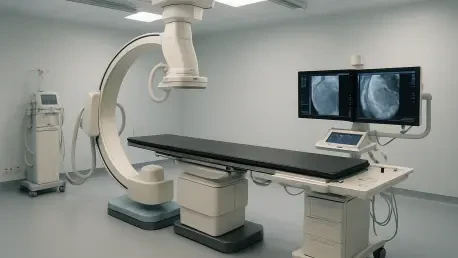
The shift toward mobile health intelligence seeks to move medical care away from reactive clinic-based models and toward proactive, continuous, and home-based monitoring paradigms. This evolution is led by researchers at the University of Maryland, Baltimore County, who focus on transforming
The National Plan for Digital Autonomy has moved beyond theory with a tool that replaces opaque administrative records with a transparent, live database of sanitary approvals. This development marks a significant shift in how the Federal Commission for the Protection against Sanitary Risks