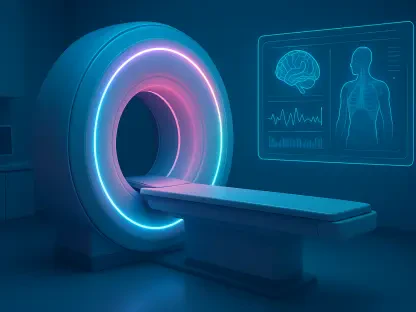

Monterrey’s Hospital Constitution Clinic is undergoing a MX$93 million renovation to install 85 specialized medical devices across its primary operating rooms. This significant capital injection represents just one facet of a broader national initiative spearheaded by the Institute for Social Security and Social Services for Government Employees (ISSSTE) to revitalize aging medical infrastructure. As the demand for high-complexity healthcare services rises throughout the country, the public sector is prioritizing the procurement of advanced biomedical technology to bridge the gap between historical constraints and contemporary clinical standards. These systemic upgrades are designed to transition the nation’s healthcare landscape into a new era of efficiency and reliability. By focusing on both urban centers and regional hubs, the government aims to create a unified standard of care that reduces patient wait times and enhances the quality of life for millions of citizens who rely on the public system for their medical needs.
Advancing Surgical Precision and Patient Comfort
Modernizing Surgical Suites: The Integration of Precision Instruments
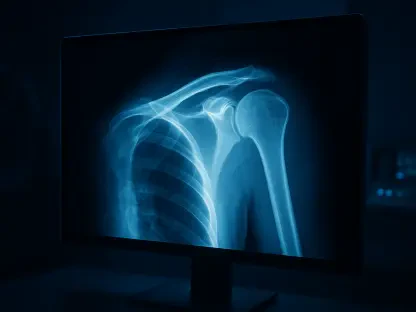
Beyond the primary wards, the transformation extends into the high-stakes environment of the operating room, where precision is paramount for successful interventions. The renovation projects currently underway incorporate the installation of cutting-edge anesthesia systems, high-definition surgical monitors, and advanced microscopes designed for delicate neurological and cardiovascular procedures. These tools allow surgeons to operate with a level of clarity and control that was previously unavailable in the public sector, effectively expanding the range of complex surgeries that can be performed locally. By upgrading these critical environments, the public healthcare system is reducing the need for patient transfers to private clinics or distant specialized centers. This localized capacity building is essential for managing the increasing volume of chronic conditions within the population. The integration of high-end surgical equipment ensures that the infrastructure can support the latest medical protocols, providing a foundation for clinical excellence.
Improving Inpatient Recovery: The Shift to Automated Hospital Infrastructure
One of the most visible components of this nationwide modernization involves the large-scale replacement of manual equipment with automated technologies. ISSSTE has committed substantial funds to swap out thousands of antiquated manual hospital beds for state-of-the-art electric units that offer superior ergonomic support and safety features. These new beds are being distributed to dozens of medical centers from the northern borders to the southern states, ensuring that regional disparities in equipment quality are systematically eliminated. The shift to electric furniture is not merely an aesthetic choice but a clinical necessity aimed at reducing the physical strain on nursing staff and minimizing the risk of patient complications such as pressure ulcers. By automating patient positioning, hospitals can facilitate faster recovery periods and improve the overall throughput of their wards. This transition reflects a sophisticated understanding of how environmental factors directly influence medical outcomes and the efficiency of the healthcare workforce.
Global Collaboration and Market Expansion
Global Industry Partnerships: Establishing Local Strategic Showrooms
The aggressive procurement strategy of the Mexican government has signaled a lucrative and stable environment for international medical technology firms. A prominent example is the Czech-based LINET Group, which recently inaugurated a sophisticated corporate headquarters and showroom in Mexico City to better serve the local market. This physical presence allows healthcare administrators and medical professionals to engage directly with advanced hospital solutions, moving beyond traditional sales models to a more educational and clinical approach. The showroom highlights the clinical rationale for investment, demonstrating how smart hospital furniture can decrease the incidence of hospital-acquired infections and reduce the length of patient stays. By establishing a local hub, global companies are positioning themselves as long-term partners in Mexico’s healthcare journey rather than just vendors. This proximity facilitates better technical support, training for local staff, and a more responsive supply chain for advanced medical technology.
Strengthening the Biomedical Market: Knowledge Exchange and Investment
The influx of foreign direct investment in the medical sector underscores a growing global confidence in the long-term trajectory of the Mexican healthcare market. International leaders view the current modernization cycle as a springboard for further expansion into the broader Latin American region, using Mexico as a strategic gateway for innovation. This trend is fostering a competitive environment where multiple global players are vying to introduce the most efficient and cost-effective solutions for public health challenges. The presence of these firms does more than provide equipment; it facilitates knowledge transfer and introduces global best practices in biomedical engineering and hospital management. As these companies sink deeper roots into the local economy, they contribute to a specialized labor market and drive the demand for highly skilled technicians and clinicians. This synergy between government spending and private sector expertise is creating a more mature and resilient ecosystem for the entire nation.
Future Considerations and Digital Integration
Sustainable Infrastructure Management: Technical Training and Maintenance
The initial phases of this transformation established a robust physical foundation, yet the focus then shifted toward ensuring the long-term viability of these investments. Authorities implemented rigorous maintenance schedules and technical training programs to prevent the premature degradation of the newly installed medical devices. This proactive approach ensured that the high-definition monitors and surgical systems remained operational at peak performance levels throughout their lifecycle. Hospital administrators also collaborated with biomedical engineers to create a specialized workforce capable of troubleshooting complex equipment on-site. By prioritizing institutional knowledge and routine care of the hardware, the healthcare system avoided the pitfalls of previous modernization attempts that suffered from neglect. These training initiatives empowered local staff and fostered a culture of accountability regarding the use of public resources. This focus on maintenance transformed the equipment into a lasting asset.
Digital Integration: Implementing Unified Electronic Health Records
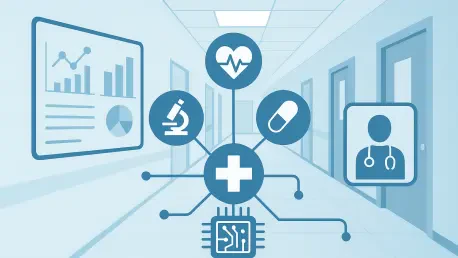
In addition to physical maintenance, the integration of advanced digital systems played a critical role in the final stages of this infrastructure overhaul. Stakeholders recognized that hardware alone could not optimize patient outcomes, so they prioritized the implementation of unified electronic health records across the network. This digital connectivity allowed for the seamless exchange of patient data between primary clinics and specialized hospitals, significantly reducing diagnostic delays and redundant testing. Data analytics tools were also introduced to monitor facility performance and patient throughput in real-time, providing administrators with the insights needed to allocate resources more effectively. These digital advancements created a more transparent and responsive healthcare environment, where clinical decisions were supported by comprehensive data. The successful fusion of modern medical devices with a digital backbone marked the completion of a resilient ecosystem that prepared the nation for its future health needs.