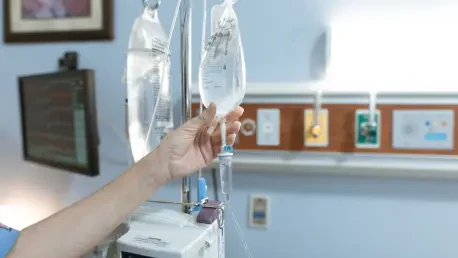

High-quality healthcare often feels like an unattainable luxury for many underserved communities, yet the convergence of private philanthropy and public infrastructure in 2026 is proving that rapid transformation is possible. Medical Director Dr. Sakirat Olayinka noted that the recent arrival of modern surgical tools will immediately enhance the quality of service delivery for patients at the public facility. This development signifies a critical turning point for Apata General Hospital, which has historically struggled with equipment shortages that hindered its ability to perform complex medical procedures safely. By integrating these advanced resources, the institution is now positioned to serve as a regional hub for specialized care. The collaboration between the Rotary Club and its strategic partners illustrates a successful model of community-driven intervention. This effort focuses on systemic improvements rather than temporary fixes, ensuring that the hospital’s capacity matches the growing health demands of the local population while establishing a new standard for public medical facilities.
Clinical Advancements: The Modernization of Surgical Facilities
The upgrade introduces a suite of advanced medical technologies that address long-standing gaps in the hospital’s operational efficiency. Specifically, the delivery of high-intensity surgical lamps, specialized operating tables, and state-of-the-art anesthesia machines represents a massive technological leap for the surgical department. Previously, surgeons were often forced to refer patients to distant facilities due to the lack of specialized infrastructure, creating a burden of travel and increased costs for families. The new equipment ensures that life-saving interventions can occur locally, reducing the risk of complications during transit. Furthermore, the installation of digital patient monitoring systems allows for real-time tracking of vital signs, which provides surgical teams with the precision necessary for high-stakes procedures. These tools are not merely replacements but comprehensive upgrades that align the hospital with modern standards, facilitating better outcomes for every individual who enters the theater.
A significant portion of the upgrade project focused on improving the hospital’s underlying infrastructure, specifically targeting water access and sanitation facilities. Reliable access to clean water is the cornerstone of infection prevention and control in any medical environment, yet it remains a challenge for many public institutions. The Rotary Club and its partners addressed this by installing a solar-powered borehole system and high-capacity storage tanks, ensuring a consistent supply of potable water throughout the premises. This advancement drastically reduces the risk of hospital-acquired infections, which are often exacerbated by poor hygiene conditions. The renovation of the sanitary blocks further complements these efforts, providing patients and staff with clean, dignified spaces that support the healing process. By addressing these foundational needs, the project has created a safer and more hygienic environment that protects the most vulnerable populations, such as newborns and post-operative patients, from various environmental health hazards.
Capacity Building: Empowering Healthcare Professionals and Systems
Beyond the physical hardware, this partnership prioritizes the continuous professional development of the hospital’s medical and technical staff to ensure long-term sustainability. Training programs have been established to familiarize nurses, technicians, and doctors with the nuances of the newly installed systems, bridging the gap between traditional practices and digital healthcare integration. By focusing on skill acquisition, the initiative ensures that the equipment remains functional and is utilized to its maximum potential. This human-centric approach prevents the common issue of high-tech machinery becoming obsolete due to lack of maintenance or operational knowledge. Staff members are now engaging with clinical protocols that incorporate these new tools, fostering a culture of excellence and accountability within the wards. This investment in human capital acts as a force multiplier, as the improved proficiency of the staff directly translates into shorter recovery times and higher patient satisfaction.
The socio-economic impact of these improvements is already being felt across the community, as the hospital now provides affordable access to services that were previously only available at private clinics. By lowering the barriers to high-quality care, the initiative directly supports the financial stability of local families who no longer have to choose between medical expenses and daily necessities. The presence of a well-equipped general hospital also boosts community confidence in the public health system, encouraging more people to seek preventive care rather than waiting for emergencies. This shift toward proactive health management is essential for reducing the overall burden of disease in the region. Moreover, the enhanced facility serves as a catalyst for local development, as a healthier workforce is more productive and capable of contributing to the regional economy. The collaboration has demonstrated that targeted investments in healthcare infrastructure can yield broad and lasting social dividends.
Strategic Evolution: Transforming Regional Health Standards
The successful implementation of this project established a robust blueprint for future public-private partnerships in the healthcare sector. Stakeholders recognized that maintaining this momentum required the establishment of a dedicated maintenance fund to cover future repairs and technological refreshes from 2026 to 2030. To ensure the long-term viability of the upgrades, the hospital management board adopted a strategic roadmap focused on expanding maternal and child health services as the next phase of development. Community leaders encouraged local businesses to contribute to a revolving fund for essential consumables, ensuring that the new equipment never sat idle due to a lack of basic supplies. Furthermore, the regional health ministry initiated a plan to replicate this collaborative model in neighboring districts, utilizing the lessons learned from Apata to streamline procurement and installation processes. By treating this upgrade as a starting point, the partners solidified a commitment to continuous improvement.