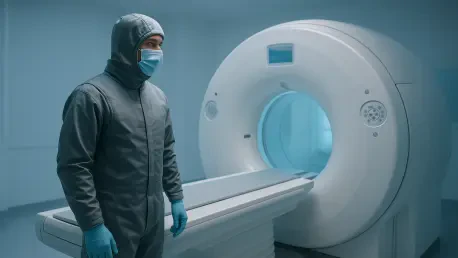

The shift toward occupational wellness represents a pivotal change in the industry’s approach to shielding medical staff from the cumulative effects of scatter radiation. For decades, interventional radiologists and surgical teams have balanced the high-stakes environment of the operating room with the physical burden of heavy lead aprons, often leading to chronic musculoskeletal injuries. Recent data indicates that nearly sixty percent of interventional physicians report work-related orthopedic issues directly linked to their protective gear. This crisis in clinician health has prompted a complete re-evaluation of standard operating procedures within modern healthcare facilities. As hospitals face increasing procedural volumes in 2026, the demand for ergonomic safety is no longer a luxury but a fundamental requirement for workforce retention. Salus Scientific is now spearheading a movement that prioritizes biological protection without compromising the physical longevity of medical personnel. By integrating lightweight, advanced composite materials that offer superior attenuation, the industry is moving away from the cumbersome lead-based legacy systems that have dominated the field since the mid-twentieth century. This transition is essential for maintaining a viable workforce in high-radiation environments.
Advancements in Material Science and Regulatory Compliance
Building on this foundation, the implementation of rigorous new benchmarks ensures that every piece of personal protective equipment meets verified safety thresholds across a wider range of kilovoltages. Salus Scientific has actively collaborated with regulatory bodies to define these parameters, focusing on the specific vulnerabilities of the thyroid and ocular lenses. Traditional standards often overlooked the secondary scatter that reaches the head and neck, but the updated 2026 protocols mandate comprehensive coverage that accounts for the geometry of modern C-arm fluoroscopy units. These standards utilize the latest in bismuth and tungsten infusion technology, which allows for thinner profiles while maintaining a ninety-nine percent attenuation rate at standard diagnostic energy levels. Furthermore, the introduction of standardized testing methods means that facilities can now objectively compare the efficacy of various shielding products before procurement. This transparency helps hospital administrators make informed decisions that align with both budgetary constraints and safety mandates. By focusing on these specific technical metrics, the organization ensures that the next generation of shielding is both scientifically sound and practically wearable for long surgical durations.
Strategic Integration: Recommendations for Future Clinical Safety
The adoption of these modernized safety frameworks successfully bridged the gap between technological capability and clinical necessity during the transition period. Stakeholders recognized that investing in high-quality radiation protection served as a proactive measure against long-term liability and staff burnout. Moving forward, the industry should prioritize the integration of real-time dosimetry monitoring with ergonomic shielding to provide a holistic view of occupational exposure. Facilities that implemented these new standards early observed a measurable decrease in physician fatigue and a higher compliance rate for safety protocols among junior staff. These organizations established a clear pathway for future technological iterations, such as robotic-assisted shielding and automated tracking systems that adjust to individual procedural risks. This evolution suggested that the most effective safety strategies are those that seamlessly integrate into the clinical workflow rather than acting as a physical barrier to efficiency. By prioritizing the health of the operator alongside the recovery of the patient, the medical community secured a more sustainable and resilient environment for interventional medicine. Healthcare leaders were encouraged to audit their current inventory to ensure alignment with these emerging global safety benchmarks.