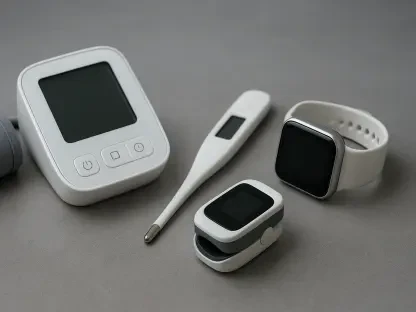

The National Plan for Digital Autonomy has moved beyond theory with a tool that replaces opaque administrative records with a transparent, live database of sanitary approvals. This development marks a significant shift in how the Federal Commission for the Protection against Sanitary Risks (COFEPRIS) manages the oversight of medical technologies. Historically, the process of verifying a medical device’s legal status was a cumbersome task involving physical archives and significant delays, often leaving healthcare providers in a state of uncertainty. By centralizing these records into a streamlined digital interface, the government is effectively modernizing the backbone of the healthcare sector. This initiative is not merely about digitizing paperwork; it represents a commitment to ensuring that every stent, syringe, and diagnostic machine used in the country meets rigorous safety standards. The new system provides a single source of truth, fostering a secure environment where public health and technological innovation can thrive simultaneously.
Enhancing Transparency: Market Efficiency and Public Safety
Strengthening Regulatory Trust: A New Industry Standard
The primary driver behind this digitalization effort is the elimination of information asymmetry that has historically plagued the medical device market. By making registration data publicly accessible, COFEPRIS seeks to reduce the prevalence of counterfeit or unauthorized products that pose significant risks to public health and patient safety. Industry experts emphasize that such transparency is essential for building a more predictable and stable regulatory environment. This shift not only protects the end-user but also reinforces Mexico’s growing reputation as a reliable global hub for medical device manufacturing. When manufacturers can verify the status of competitors and their own products in real-time, the entire market gains a level of clarity that was previously impossible. This environment allows legitimate innovation to reach the clinical setting more quickly because the regulatory hurdles are clearly defined and the verification processes are automated rather than manual.
Economic Growth: Streamlining Global Competitiveness
Digitalization also serves as a strategic economic lever by streamlining administrative procedures and reducing long-standing bureaucratic backlogs that have slowed industry growth. The current agenda focuses on harmonizing technical criteria to foster a more competitive landscape for both domestic and international companies operating within the region. Furthermore, these digital efforts align with the new international recognition pathways that were introduced in 2026. This strategic move toward “regulatory reliance” allows COFEPRIS to leverage the evaluation work of trusted foreign regulators, simplifying the domestic approval process without compromising on safety. By integrating foreign data into the new digital viewer, the commission ensures that the Mexican market remains attractive to global investors. The efficiency gained through these digital channels directly translates into lower operational costs for businesses, which can then reinvest those savings into research and development.
Operational Success: The Mechanics of Digital Oversight
Data Integrity: Ensuring Accuracy in a Living System
The rollout of the Medical Device Sanitary Registry Viewer is a phased process that prioritizes data accuracy and technical precision above all else. During the initial stage, COFEPRIS established a dedicated correction mechanism, allowing registration holders to review their stored information and submit updates through a secure digital channel. This acknowledgment that a digital tool is only as good as its underlying data reflects a deep commitment to technical excellence and institutional integrity. By involving industry stakeholders directly in the data-cleaning process, the commission ensures that the platform remains a credible source of truth for hospitals, clinics, and distributors. This collaborative approach minimizes the risk of errors and ensures that the transition from paper to digital is seamless for all parties involved. The focus on data integrity builds a foundation of trust, ensuring that the information displayed in the viewer accurately reflects the current legal status of products.
Dynamic Functionality: Enhancing Supply Chain Management
Unlike the static documents of the past, the new viewer is designed as a dynamic, “living” platform that accounts for the constant modifications, extensions, and revocations inherent in sanitary authorizations. Users can filter results by specific registration numbers or product names, mirroring the advanced functionality of the medicines registry that was launched earlier in the year. This sophisticated search capability allows hospital procurement departments and large-scale distributors to perform rapid due diligence with confidence. By checking the database before finalizing a purchase, these organizations can ensure that every product they handle is fully compliant with current national regulations. The platform is designed to handle high traffic volumes, ensuring that the information is accessible whenever it is needed. This accessibility is a game-changer for supply chain management, as it provides instant verification that can prevent the distribution of expired or revoked registrations across the territory.
Strategic Governance: Integration and Long-Term Outlook
Policy Modernization: Legislative Reform and the Single Window
The implementation of the registry viewer is a critical component of a much larger 2026 modernization agenda led by Federal Commissioner Víctor Borja. This broader strategy includes comprehensive legislative reforms to the General Health Law that have formalized cooperation between federal and state-level authorities. These reforms are creating a more unified and cohesive national sanitary system, reducing the fragmentation that previously led to inconsistent enforcement. Additionally, the introduction of a “Digital Single Window” for various administrative procedures aims to cut through red tape significantly. This development is expected to reduce the time required for companies to receive official resolutions on their applications by nearly half compared to previous years. By digitizing the application and review cycle, the government is making it easier for essential medical technologies to reach patients, while maintaining the rigorous oversight necessary to protect the public.
Investment Security: Market Predictability and Technical Uptime
While the digital viewer provides unprecedented market predictability and ease of consultation, it does not entirely replace formal administrative protocols. Manufacturers and distributors must still maintain their physical dossiers and adhere to specific import and export regulations as mandated by law. For foreign investors, however, the tool offers a vital layer of security, allowing them to verify the legitimacy of local partners and assess market saturation with greater ease. This transparency helps mitigate the risks associated with entering a new market and facilitates more informed decision-making. As Mexico continues to transition toward a fully digital sanitary system, the success of these initiatives will depend on the commission’s ability to maintain high system uptime and consistent data synchronization. The move toward digital governance is a long-term commitment that requires ongoing technical support and periodic updates to reflect the changing technological landscape of the medical device industry.
Future Resilience: Strategic Recommendations for Stakeholders
To maximize the benefits of this new digital era, stakeholders took several proactive steps to integrate these tools into their daily operations. Manufacturers prioritized the reconciliation of their internal records with the COFEPRIS database to ensure that no discrepancies existed during the initial rollout phase. Procurement officers in the public and private sectors adopted new verification protocols that required a digital check of the registry viewer before any contract was signed. This proactive engagement helped solidify the system’s role as the definitive authority in the market. Looking forward, companies should continue to invest in digital literacy for their regulatory affairs teams to keep pace with the evolving Digital Single Window environment. The transition proved that transparency and efficiency could coexist when technology was applied thoughtfully to regulatory challenges. By embracing these changes, the industry set a new standard for medical device oversight that prioritized safety.