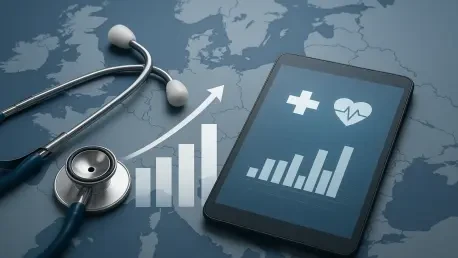
European companies specializing in clinical-grade AI for structural biology and diagnostics are currently commanding premium revenue multiples of six to eight times, far exceeding the valuations of administrative software providers. This fundamental shift marks the end of a transitional period that

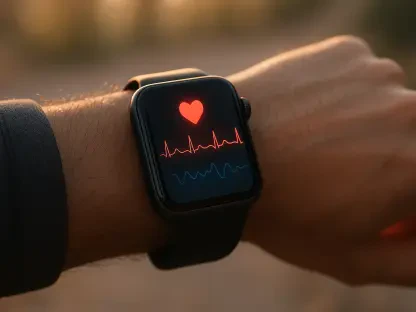
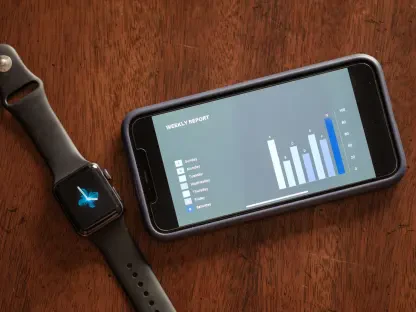
While modern wearable technology provides an unprecedented amount of data, many devices still operate on a foundational bias that prioritizes male physiology as the universal standard for health metrics. For over a decade, fitness trackers have transitioned from simple pedometers into complex

The increasing frequency of atmospheric disturbances across North America has transformed air quality monitoring from a niche environmental concern into a critical daily necessity for millions of urban and rural residents alike. As smoke from wildfires frequently drifts across state lines, the
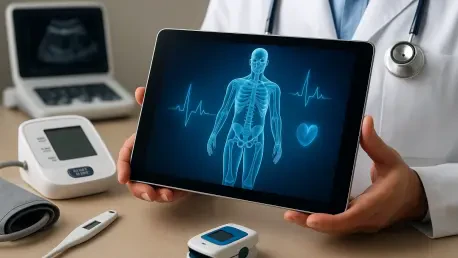
The rapid evolution of healthcare delivery is currently pivoting away from traditional, hospital-centric models toward a decentralized system that prioritizes individual autonomy and immediate access to clinical data. This transformation is largely fueled by the burgeoning home diagnostics sector,

The rapid transition from centralized hospital-based care to a highly decentralized model of continuous surveillance is currently fundamentally altering how medical professionals manage chronic disease across the globe. As patients demand more autonomy and healthcare systems strive for greater

The widespread transformation of healthcare delivery has reached a critical milestone where digital consultations are no longer viewed as a temporary emergency measure but as an essential and preferred method for routine medical interactions. Market data currently indicates that telehealth usage