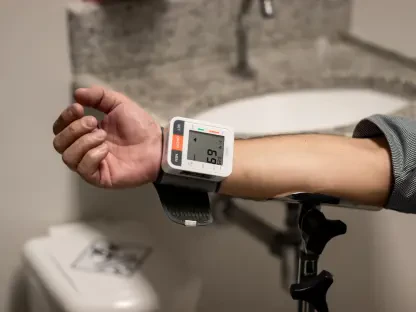

Consumer electronics like smartwatches and fertility apps harvest sensitive biological metrics that lack the federal privacy protections typically afforded by HIPAA-regulated health records. As users strap on their Apple Watches or sync their Oura rings, they often believe their heart rate, sleep patterns, and reproductive cycles are shielded by the same medical confidentiality laws that protect a doctor’s office. This assumption is a dangerous misconception in the digital landscape of 2026. Commercial health trackers operate under terms of service agreements rather than federal medical mandates, effectively turning intimate physiological data into a commodity for tech conglomerates and third-party brokers. The convenience of monitoring one’s health comes at a hidden cost: the erosion of digital boundaries. This data, once digitized, creates a permanent record of the most private aspects of human biology, accessible to entities far beyond the healthcare sector.
Corporate Interests: The Erosion of Reproductive Privacy
The disconnect between consumer expectations and corporate practices became alarmingly evident through high-profile investigations into major period-tracking applications like Flo. Despite explicit promises of confidentiality, these platforms were found to be sharing sensitive pregnancy-related information with advertising giants like Google and Meta. This is not an isolated incident but a systemic feature of the data economy where biological metrics are harvested for targeted marketing and behavioral analysis. As of 2026, the complexity of this ecosystem has deepened, with wearable hardware and third-party software creating a dense web of data vulnerabilities. The information being traded includes everything from ovulation cycles to geolocation data near medical facilities, which can be easily re-identified by algorithms. This lack of oversight allows tech companies to prioritize profit over privacy, leaving millions of individuals exposed to potential exploitation.
Beyond the marketing implications, the weaponization of health data has moved into the realm of legal and political surveillance. Data brokers have been documented selling detailed records of individuals visiting reproductive health clinics to various advocacy groups and law enforcement agencies. This level of granular tracking transforms a personal health device into a powerful tool for state-level monitoring and social control. When intimate health metrics are decoupled from medical privacy protections, they become actionable intelligence that can be used to enforce restrictive policies or target specific demographics. The ability of private entities to track movement and physiological changes in real-time creates a persistent surveillance dragnet that functions without a warrant. This reality has forced a critical re-evaluation of technology, as the very tools intended to empower users with health knowledge are used to undermine their fundamental rights to privacy.
Legislative Gaps: Navigating the Fragmented Legal Landscape
Federal oversight has struggled to keep pace with the rapid evolution of health-oriented consumer electronics, leaving a significant regulatory vacuum. While the Health Insurance Portability and Accountability Act provides a robust framework for traditional medical providers, it rarely applies to the developers of fitness trackers or wellness apps. This creates a patchwork of state-level regulations that vary significantly in their degree of protection, often leaving residents of certain regions more vulnerable than others. In 2026, the push for a unified federal standard has intensified as public trust in tech companies continues to wane. Legislative initiatives such as the My Body, My Data Act aim to bridge this gap by establishing strict limitations on the collection and sale of reproductive health information. Without such a comprehensive legal shield, the burden of protection falls on the individual, who must navigate complex, dense privacy policies.
Addressing these systemic challenges required a fundamental shift in how individuals interacted with personal technology and how corporations were held accountable. Users began to adopt more rigorous digital hygiene practices, such as opting out of data sharing and utilizing decentralized platforms that prioritized encryption. This movement toward digital sovereignty was supported by the passage of more stringent federal privacy laws that finally addressed the gaps left by outdated healthcare legislation. Tech companies were forced to implement privacy by design principles, ensuring that sensitive biological metrics remained locally on devices rather than being uploaded to vulnerable cloud servers. The successful integration of these protections demonstrated that technological progress did not have to come at the expense of human rights. By 2027 and 2028, the industry saw a marked transition toward transparency, where consumers regained control over their own intimate health data.