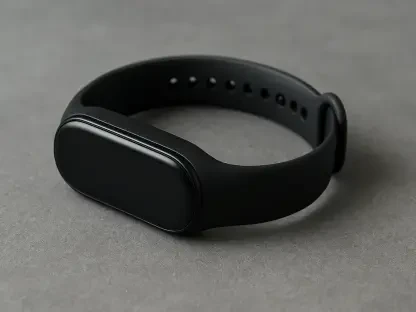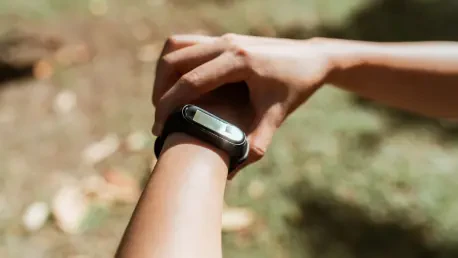

Leaked marketing materials indicate that the upcoming device will feature a sharp vertical display that integrates classic fitness band aesthetics with modern hardware. This strategic pivot by Google aims to recapture a mid-range fitness tracker market that has felt increasingly polarized between minimalist jewelry-like bands and expensive, bulky wrist computers. Positioned as a crucial bridge between the screenless Fitbit Air and the premium Pixel Watch 5, the Fitbit Edge targets enthusiasts who demand high-fidelity data visualization without sacrificing the slim profile of a traditional tracker. For many active individuals, the allure of a smartwatch is often overshadowed by notification fatigue and the physical weight of larger chassis. By focusing on a vertical, high-resolution panel, the device prioritizes vertical scrolling and clear biometric feedback. This design choice honors the legacy of early fitness bands while utilizing the sophisticated materials and manufacturing processes common in high-end mobile devices, ensuring the product feels substantial yet remains remarkably unobtrusive during intense athletic activity or sleep.
Redefining Functional Efficiency in Wearables
One of the most significant hurdles for modern wearable technology involves the delicate trade-off between advanced utility and power consumption. The Fitbit Edge addresses this challenge by promising a seven-day battery life, a feat achieved by optimizing the proprietary operating system to run essential services without the overhead of heavy third-party applications. Despite its streamlined software, the device incorporates high-demand features such as integrated GPS and turn-by-turn Google Maps navigation. This allows runners and cyclists to leave their smartphones behind, relying solely on the wrist-based hardware for precise route tracking and spatial awareness. Furthermore, the inclusion of Google’s Find My Device support and localized music playback controls ensures that the tracker remains a powerful standalone tool. By maintaining compatibility with both Android and iOS platforms, the device avoids the walled-garden limitations that often restrict user choice. This approach signals a shift toward a more modular digital life, where the user can select specialized tools that integrate seamlessly into their broader tech ecosystem without requiring a total commitment to one specific hardware manufacturer.
Health Integration and Strategic Market Positioning
Beyond its navigational capabilities, the core appeal of this new wearable rested in its robust suite of biometric sensors. Continuous heart rate monitoring, sleep scoring, and comprehensive activity summaries provided a granular look at personal wellness trends. Launching in sophisticated colorways like Obsidian, Olive, and Canyon, the hardware aligned aesthetically with the current smartphone lineup. The expected price point between $149 and $199 effectively filled a vacuum in the industry, offering a distraction-free alternative for those prioritizing long-term health monitoring over excessive digital connectivity. Consumers who sought to refine their wellness routines found that focusing on specific data points, such as recovery metrics and cardiovascular strain, yielded better results than managing a barrage of notifications. Analysts suggested that the hardware represented a commitment to a diverse wearable portfolio that respected different levels of user engagement. Moving forward, potential buyers considered how these streamlined devices could lower the barrier to entry for serious health tracking. Choosing a tracker with a specific focus on longevity and biometric accuracy allowed individuals to build more sustainable habits, proving that sometimes the most effective technology is the one that stays out of the way until it is truly needed.