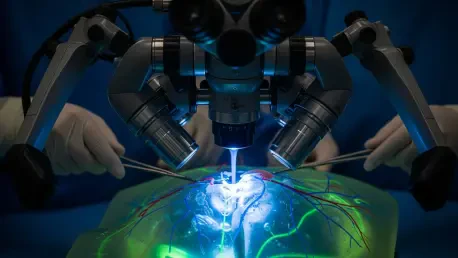
The ability of a surgeon to navigate the intricate landscape of the human body often rests on the clarity provided by near-infrared fluorescence imaging, a technology that has relied on Indocyanine Green for over sixty years. While this traditional dye has served as the gold standard for

The global healthcare landscape is currently witnessing a paradigm shift in how chronic obstructive pulmonary disease and asthma are managed, moving away from a one-size-fits-all approach toward the precision of personalized medicine. For decades, patients suffering from chronic cough, wheezing,

Most individuals find themselves overwhelmed by the sheer volume of health metrics generated by wearables and scattered clinical portals that never seem to communicate with one another effectively. To address this fragmentation, OpenAI has introduced a sophisticated feature called "Health in

Modern life is increasingly defined by an invisible web of sensors that have migrated from the vast stretches of city infrastructure into the intimate corners of the private home. While the early days of the Internet of Things were dominated by the logistical management of public assets and the

Current medical landscapes have shifted significantly as the integration of nuclear science into oncology provides a level of precision previously deemed impossible for metastatic cases. By utilizing radio-ligand therapies, physicians are now able to deliver lethal doses of radiation directly to
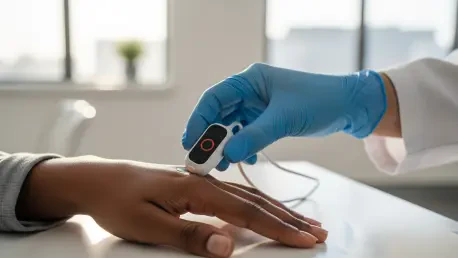
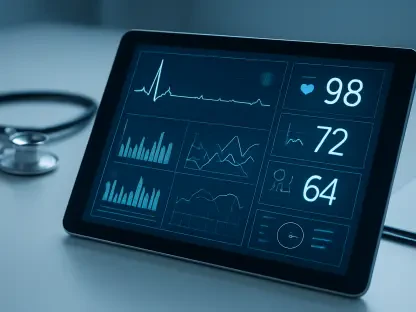
The persistent gap in medical diagnostics has long meant that the simple act of measuring blood oxygen levels could yield dangerously inaccurate results depending solely on the amount of melanin in a patient's skin. Philips recently achieved a pivotal milestone by securing FDA 510(k) clearance for