
As the sunset fades over a small Midwestern town where the only hospital within a fifty-mile radius shuttered its doors just last month, residents face the daunting reality of a healthcare desert that forces them to choose between long drives and delaying critical care. This scenario has become alarmingly common as rural medical facilities struggle with dwindling budgets, staffing shortages, and a declining patient base. The departure of an emergency room is more than a logistical inconvenience; it is a fundamental threat to the survival of the community. In response to this crisis, healthcare providers and local governments are increasingly turning to virtual urgent care as a primary safety net. While high-speed internet and high-definition cameras cannot replace a surgical suite, they offer a sophisticated triage layer that can stabilize patients and provide immediate clinical guidance. The transition toward a digital-first emergency response reflects a broader evolution in how American medicine is delivered to the most remote corners of the nation today.
The Technological Evolution of Rural Emergency Support
Implementation of Specialized Virtual Platforms
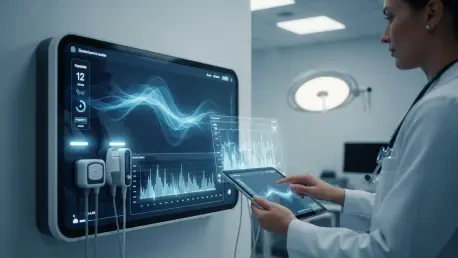
The deployment of high-fidelity telemedicine carts and wearable diagnostic sensors has allowed clinicians to assess patients in real-time without the necessity of a physical presence. These systems utilize encrypted video conferencing and integrated medical peripherals, such as digital stethoscopes and otoscopes, which transmit physiological data to off-site board-certified physicians. In many remaining rural clinics, these virtual interfaces serve as a lifeline, enabling local nurses to consult with emergency medicine specialists on complex cases involving trauma or acute cardiac distress. By utilizing these specialized platforms, facilities can maintain a high standard of care while reducing the immense overhead costs associated with staffing a twenty-four-hour on-site physician rotation. This model ensures that even in areas with low patient volumes, the expertise of a major metropolitan hospital remains accessible, effectively extending advanced medicine across the landscape.
Beyond simple video consultations, the integration of artificial intelligence into virtual urgent care platforms has significantly enhanced the precision of remote diagnostics for patients in isolated areas. Advanced algorithms now analyze vital signs and patient history to flag potential red flags like early-stage sepsis or stroke symptoms, alerting remote providers to the need for immediate intervention. This predictive capability is vital when the nearest tertiary care center is several hours away, as every second counts in preserving neurological function. Furthermore, the use of point-of-care ultrasound devices that connect to smartphones allows remote radiologists to guide local clinicians through imaging procedures, providing diagnostic depth that was previously impossible. These technological advancements have transformed virtual care from a simple backup plan into a robust clinical tool that can handle a significant percentage of traditional emergency room cases, thereby alleviating the pressure on distant facilities.
Policy and Sustainability Frameworks for Long-term Access
Financial sustainability remains a primary driver behind the adoption of virtual urgent care models, as traditional rural hospitals often face insurmountable operating losses due to low patient volumes. By contrast, a virtual urgent care hub can be operated at a fraction of the cost, as it eliminates the need for expensive imaging machinery and round-the-clock facility maintenance that drains local budgets. Recent shifts in insurance reimbursement policies have also played a crucial role, with major payers and government programs now offering parity for virtual visits, ensuring that rural clinics receive fair compensation for these digital encounters. This shift has encouraged private investment in telemedicine startups that specifically target underserved markets, creating a competitive environment that drives down costs for the consumer. Moreover, by diverting non-emergent cases from the remaining regional trauma centers, virtual care helps preserve the capacity of those larger facilities for life-threatening situations.
The integration of virtual urgent care into the rural landscape required a fundamental shift in how policymakers and clinicians viewed the delivery of emergency services. Stakeholders successfully transitioned from a reliance on brick-and-mortar facilities to a more fluid, data-driven approach that prioritized immediate access over physical proximity. Looking ahead, the focus must shift toward the standardization of virtual care protocols to ensure consistent outcomes across different platforms and providers. It became clear that investing in regional digital health hubs and fostering interstate licensure compacts was essential for maintaining a resilient healthcare workforce. Community leaders emphasized the importance of public education campaigns to build trust in digital platforms among the elderly and those hesitant to use technology. By addressing the logistical and psychological barriers to virtual care, these regions established a blueprint for sustainable medical access. The path forward necessitated continued commitment.