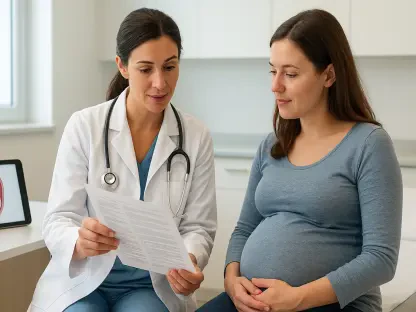

The healthcare landscape in rural Missouri is undergoing a radical transformation as the gap between expectant mothers and specialized obstetric services continues to widen across the state’s most isolated counties. For many residents living in these regions, the nearest birthing center can be more than two hours away, a distance that often proves insurmountable during critical complications or routine prenatal checkups. This geographic barrier has historically contributed to higher rates of maternal mortality and infant distress, necessitating a more localized approach to healthcare delivery. The introduction of advanced mobile clinics represents a strategic shift in addressing these systemic inequities by bringing high-quality medical infrastructure directly to the doorsteps of those who need it most. By leveraging sophisticated medical technology and specialized mobile units, healthcare providers are now able to offer a level of care that was previously reserved for urban academic medical centers.
Technological Foundations: Bridging the Distance with Innovation
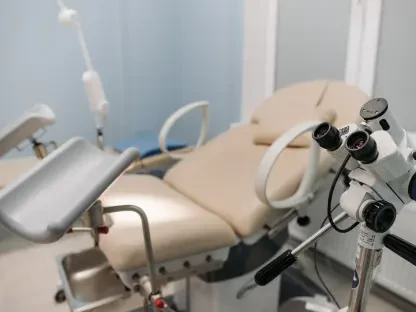
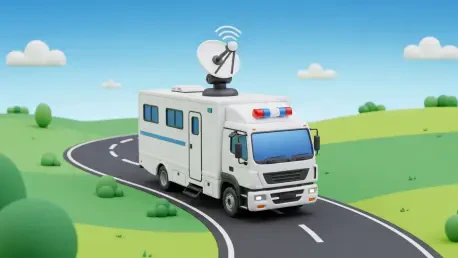
The success of this initiative hinges on the integration of high-bandwidth satellite communication systems that allow for real-time data transmission from remote locations back to central hospitals. These mobile units are equipped with state-of-the-art ultrasound machines that feature remote-viewing capabilities, enabling specialists in St. Louis or Kansas City to guide local technicians through complex diagnostic procedures. Furthermore, the inclusion of point-of-care testing laboratories allows for immediate blood analysis, which is crucial for identifying conditions such as preeclampsia or gestational diabetes before they escalate into life-threatening emergencies. The implementation of ruggedized hardware ensures that these sensitive instruments remain calibrated while traversing Missouri’s varying rural terrain. This robust technological framework does not merely provide a temporary fix but establishes a durable platform for continuous monitoring and intervention, fundamentally altering the trajectory of maternal health outcomes within the rural corridor.
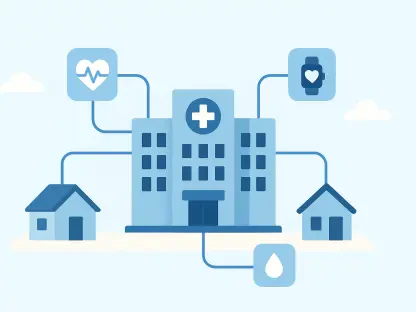
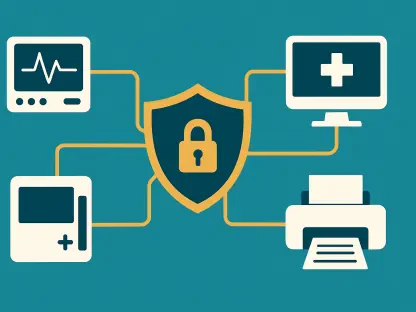
Beyond the hardware, the operation utilizes a sophisticated tele-consultation platform that integrates seamlessly with existing electronic health record systems to maintain a unified patient history across all points of care. When a patient enters the mobile clinic, her historical medical data is instantly accessible, allowing practitioners to make informed decisions based on her specific clinical background and risk factors. This connectivity also facilitates immediate scheduling for follow-up appointments at stationary facilities if a higher level of intervention is required. The use of secure, encrypted video links ensures that patient privacy is maintained while providing a face-to-face interaction with sub-specialists who would otherwise be inaccessible. This hybrid model of care combines the physical presence of a mobile exam room with the intellectual capital of a major medical institution, effectively dissolving the boundaries that have long defined the rural-urban divide in American healthcare and ensuring a high standard of medical consistency.
Operational Dynamics: Enhancing Accessibility and Community Resilience
Navigating the logistical complexities of rural maternity care requires a deep understanding of the socioeconomic factors that prevent women from seeking traditional medical assistance. Many individuals in these areas lack reliable personal transportation or cannot afford the time off work required for a full day of travel to a metropolitan hospital. The mobile clinic strategy mitigates these issues by positioning itself at central community hubs, such as local libraries or town halls, on a predictable and rotating schedule. By minimizing the travel time to just a few minutes, the program has seen a significant uptick in the number of women adhering to their recommended prenatal visit schedules. This consistency is vital for tracking fetal development and ensuring that mothers receive the necessary vaccinations and nutritional guidance. Moreover, the mobile units act as a gateway to other social services, connecting families with local resources for postnatal support and pediatric care, fostering a more holistic health environment.
The successful pilot phase of the mobile maternity initiative demonstrated that targeted investments in mobile health infrastructure provided a viable solution for reducing maternal morbidity in underserved areas. Policymakers and healthcare executives focused on expanding these programs by securing permanent funding through a combination of state grants and private-sector partnerships. The next logical step involved the standardization of mobile clinic specifications to ensure that every unit across the state met the same rigorous clinical benchmarks. Furthermore, the integration of artificial intelligence tools for early risk stratification became a priority, allowing clinicians to predict which patients would benefit most from specific mobile interventions. Leaders in the field advocated for the creation of a statewide registry to track the long-term health outcomes of children born into the program. These actions transformed the temporary relief effort into a permanent fixture of Missouri’s public health strategy, setting a template for other states.