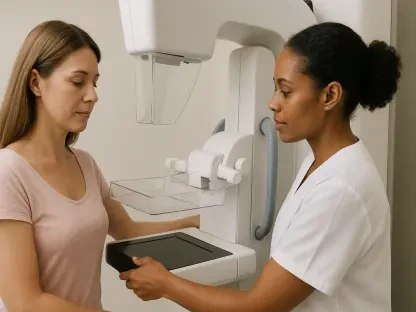

The convergence of advanced medical diagnostics and ubiquitous wireless connectivity has fundamentally redefined the modern healthcare landscape, turning traditional clinics into high-speed digital ecosystems. This shift represents a transition from reactive, episodic treatment toward a proactive model where real-time data informs every clinical decision. As the Internet of Medical Things (IoMT) market approaches an impressive valuation of over $800 billion by the end of 2028, the integration of specialized hardware and cloud-based analytics is no longer a luxury but a fundamental requirement for operational efficiency. Applications such as lone worker protection and sophisticated senior care systems illustrate the practical benefits of this evolution. AI-powered sensors and smart wearables now monitor high-risk patients with precision, providing an automated safety net that triggers instant alerts during medical emergencies. By bridging the gap between facilities and remote environments, these technologies ensure that patient care remains continuous.
The Cyber Threat: Navigating an Expanding Landscape
While the benefits of a hyper-connected medical environment are undeniable, the expansion of the digital perimeter introduces a multifaceted array of security vulnerabilities that healthcare administrators must address. Small and medium-sized providers often find themselves in a precarious position, as they frequently lack the substantial cybersecurity budgets required to defend against sophisticated state-sponsored actors or organized criminal groups. The primary danger extends far beyond the immediate financial repercussions of a data breach, which often involves heavy regulatory fines and legal settlements. In the context of the IoMT, a ransomware attack can effectively paralyze a hospital network by locking down life-critical equipment such as infusion pumps, ventilators, and surgical robots. This transformation of a digital threat into a tangible physical danger underscores the necessity of a security-first approach to device deployment. When medical devices become inaccessible, the impact on patient safety is immediate and potentially catastrophic.
One of the most insidious risks inherent in a distributed medical network is the potential for lateral movement, where a breach in a single low-security device provides a gateway to the entire infrastructure. Malicious actors frequently target secondary systems, such as smart thermostats or fitness trackers used in patient rehabilitation, as entry points because these devices often lack the rigorous security protocols found in primary clinical systems. Once an attacker gains a foothold in the network, they can move horizontally to exploit vulnerabilities in more sensitive databases or life-support machinery. This capability allows for the exfiltration of private health information or the disruption of critical care operations on a massive scale. To mitigate this risk, facilities must adopt micro-segmentation strategies that isolate different parts of the network from one another. By ensuring that a compromised wearable cannot communicate with a central patient record database, providers can contain potential threats and prevent a localized security failure from evolving into a total system collapse.
Resilient Frameworks: Driving Medical Innovation
Developing a robust defense against evolving cyber threats requires a multi-layered strategy that integrates sophisticated technical controls with rigorous organizational policies. This defense-in-depth approach begins with basic technical hygiene, including the frequent application of software patches and the use of end-to-end encryption for all data transmissions between devices and cloud servers. Furthermore, the implementation of mandatory multi-factor authentication for every user access point significantly reduces the risk of unauthorized entry through stolen credentials. However, technical measures alone are insufficient if the human element is ignored, as social engineering and phishing remain the primary methods for initiating a breach. Healthcare institutions must therefore invest in recurring comprehensive training programs designed to educate staff on how to identify suspicious emails and manage mobile devices securely. Creating a culture of security awareness ensures that every employee, from the nursing staff to the administrative office, acts as a vigilant guardian of digital assets.
The sheer complexity of managing a global, interconnected network of thousands of medical devices often exceeds the internal capabilities of even the most well-funded healthcare organizations. Consequently, there is a growing trend toward established managed connectivity partnerships, where facilities outsource the oversight of their digital infrastructure to specialized service providers. These partners offer dedicated expertise in monitoring IoT traffic, identifying anomalies in real-time, and deploying rapid response protocols when a threat is detected. By leveraging the scale and specialized tools of a connectivity partner, medical professionals can redirect their focus toward their primary mission of providing high-quality patient care. These strategic collaborations also provide a pathway for standardizing security protocols across diverse device ecosystems, ensuring that legacy equipment and cutting-edge innovations operate under a unified defense umbrella. Ultimately, such partnerships allow healthcare providers to navigate the complexities of digital transformation while maintaining a resilient and secure environment for their patients.
Sustainable Security: Implementation Strategies for Health
The integration of the Internet of Medical Things demanded a comprehensive shift in how healthcare organizations approached the intersection of clinical innovation and digital defense. Organizations that successfully navigated this transition prioritized the implementation of zero-trust architectures, which required continuous verification of every device and user on the network. They established rigorous procurement standards that mandated security-by-design from all equipment manufacturers, ensuring that new devices arrived with hardened configurations. Furthermore, these institutions fostered deep collaborative relationships between their information technology departments and frontline clinical teams to bridge the gap between technical security and practical usability. The adoption of automated monitoring tools allowed for the rapid isolation of suspicious activities before they impacted patient care delivery. These past initiatives laid the groundwork for a more stable and reliable infrastructure where medical breakthroughs occurred without compromising the safety or privacy of patients.
Beyond technical implementations, the industry moved toward a more standardized regulatory environment that incentivized transparency regarding device vulnerabilities and patching cycles. Healthcare leaders recognized that siloed security efforts were insufficient in the face of globalized digital threats, leading to the creation of shared intelligence networks for reporting and mitigating emerging risks. These collaborative platforms allowed even smaller clinics to benefit from the collective knowledge and defensive strategies of much larger research hospitals and technology firms. The shift toward a proactive security posture also involved the integration of ethical hacking and regular stress testing of critical infrastructure to identify potential points of failure before they were exploited. This comprehensive approach ensured that the technological advancements of the digital health era were built upon a foundation of trust and accountability. Ultimately, the successful balance of innovation and security was achieved through a sustained commitment to both advanced technology and patient-centered care.