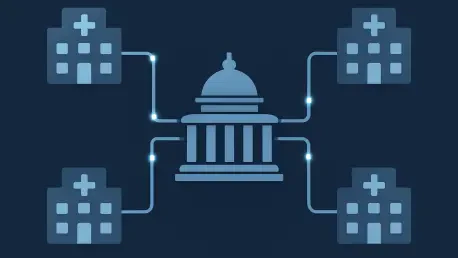
The shift from auditing health carrier records to maintaining a massive, pseudonymized database has prompted serious questions about the limits of executive administrative powers. This transition, orchestrated by the Office of Personnel Management, represents a fundamental change in how the Federal

Once health data is shared through a HIPAA legal exception, it typically loses its protected status and becomes vulnerable to secondary uses by government agencies. This quiet erosion of medical confidentiality occurs at the intersection of digital convenience and state oversight, where the most

Eligible class members have until September 28, 2026, to file a formal claim for a portion of the $2.1 million fund established to address privacy concerns at Atrium Health. This legal resolution follows a dispute regarding the unauthorized transmission of sensitive patient information to major

Recent data from Japan reveals a significant expertise gap where eighty-six percent of hospitals have appointed security managers, yet only sixteen percent of those individuals hold specialized qualifications. This discrepancy highlights a perilous reality in modern healthcare where the

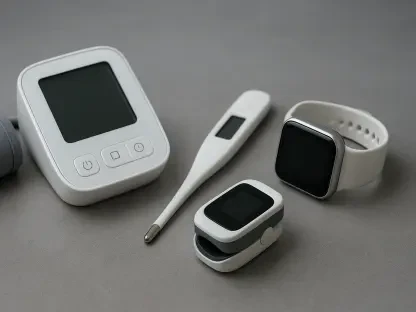
The transition from isolated medical devices to fully integrated Internet of Things (IoT) ecosystems has fundamentally redefined the operational standards for modern clinical environments and patient management strategies. It is no longer sufficient to simply procure hardware; organizations must

The delicate equilibrium of the American medical infrastructure has been severely shaken following a massive data breach at Craneware, a prominent software provider responsible for the financial health of thousands of healthcare facilities. This sophisticated cyberattack, which originated from an