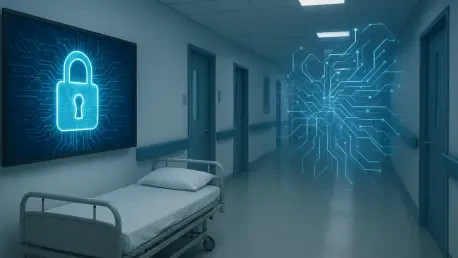

Adversaries are currently executing harvest-now, decrypt-later attacks by stealing encrypted medical records to unlock them once quantum computing matures. This specific threat model transforms the traditional understanding of data breaches, as the value of healthcare information does not degrade over time. While a stolen credit card number can be canceled in minutes, a patient’s genomic sequences, chronic condition history, and diagnostic records are permanent biological markers that remain sensitive for decades. This permanence creates a massive incentive for nation-state actors and sophisticated cybercriminal groups to stockpile encrypted data today. The current landscape of healthcare delivery organizations reveals a troubling lack of preparation for this shift. Most facilities remain focused on immediate ransomware threats, overlooking the fact that the encryption protocols they rely on to protect data are becoming obsolete. The reality is that the transition to post-quantum cryptography requires an overhaul.
The Growing Disparity in Cryptographic Adoption
Recent technical audits indicate a significant readiness gap between standard information technology systems and specialized medical equipment. While approximately 50% of IT-based Secure Shell software is already capable of supporting post-quantum cryptography, the figures for connected medical devices tell a much more alarming story. Only 6% of internet-connected medical devices and 16% of operational technology systems currently meet the necessary cryptographic thresholds for future security. This disparity is largely driven by the extended operational lifespans of critical hospital assets such as infusion pumps, ventilators, and bedside monitors. Many of these devices were designed and deployed years ago with embedded systems that lack the processing power or memory to handle the complex mathematical algorithms required by quantum-resistant encryption. Consequently, hospitals are operating with a massive inventory of legacy hardware that cannot be easily patched without significant downtime.
The challenge of upgrading these systems is further complicated by the rigid regulatory and vendor ecosystems surrounding healthcare technology. Unlike a standard laptop or server that receives weekly software updates, a medical device often requires a rigorous recertification process from government health agencies whenever its core software is modified. Manufacturers frequently maintain closed ecosystems, meaning healthcare providers must wait for specific vendor-approved patches that may never arrive for older models. In many instances, achieving quantum readiness will require the total physical replacement of hardware, an expensive and logistically daunting task for hospital systems already facing tight margins. This creates a dangerous bottleneck where the most vital equipment used in patient care remains the most vulnerable to long-term data exploitation. Without a coordinated effort to force vendors toward faster implementation of security standards, the sector will continue to fall behind the rapidly evolving capabilities of adversaries.
Network Infrastructure and Strategic Security Migration
Vulnerabilities are not limited to internal device software; the way data moves across hospital networks and into the public internet is also a source of significant risk. Technical research has uncovered over 5,500 medical systems directly exposed to the public internet, including critical electronic medical record platforms and picture archiving and communication systems. These systems act as the central repositories for patient data, making them prime targets for bulk data harvesting operations. When these platforms are accessible via the open web without the protection of modern encryption protocols, they essentially provide a direct pipeline for attackers to siphon off encrypted archives for future decryption. The security posture of these external-facing systems remains inconsistent at best, with many still relying on aging transport layer security versions. This exposure highlights a fundamental flaw in how healthcare organizations manage their digital perimeters as they attempt to modernize their security infrastructure.
In the final analysis, the transition toward a quantum-secure healthcare environment demanded a fundamental shift in how security investments were prioritized. Organizations that successfully navigated this transition began by demanding greater cryptographic transparency from their device vendors and establishing clear timelines for the retirement of systems that lacked a path to modernization. They also moved toward zero-trust architectures that reduced reliance on perimeter-based security alone. The focus shifted toward long-term data preservation, recognizing that the privacy of patients depended on the cryptographic choices made years in advance. Leaders in the sector ultimately realized that the harvest-now threat was not a distant hypothetical but an active operational reality. By implementing robust inventory management and prioritizing the adoption of the latest transport protocols, proactive healthcare systems effectively shielded their sensitive medical archives from future exploitation.