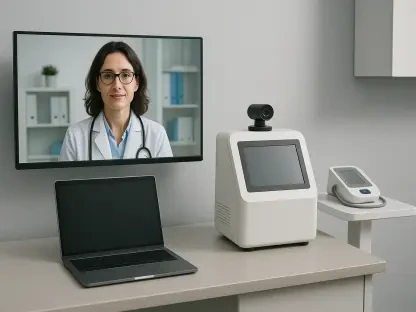

While traditional IT servers show a 50% readiness rate for cryptographic upgrades, the infrastructure supporting patient portals lags significantly behind at just 31%. This stark realization comes at a time when the healthcare sector is increasingly reliant on cloud-based interactions and remote patient monitoring. As quantum processors advance, the asymmetric encryption algorithms that currently protect these portals—such as RSA and ECC—are becoming increasingly susceptible to rapid decryption. The disparity in readiness suggests that while back-end administrative systems are being prioritized, the direct interfaces used by patients remain dangerously exposed. This vulnerability is not merely a theoretical concern for the coming decade; it is a structural weakness that requires immediate attention as the barrier between classical computing and quantum capability continues to dissolve. Organizations must recognize that the transition to quantum-safe environments is a fundamental shift in how trust is established and maintained across the entire digital health ecosystem.
The Data Crisis: Exploiting the Longevity of Medical Records
The most immediate threat posed by quantum computing is a tactical maneuver known as the harvest now, decrypt later strategy. Cybercriminals and state-sponsored actors are currently intercepting and storing massive volumes of encrypted medical data, even though they lack the current means to unlock it. This approach is predicated on the certainty that future quantum systems will possess the computational power necessary to crack today’s encryption standards in a matter of seconds. By the time these quantum capabilities are commercially or clandestinely available, the stolen data will still hold immense value. This proactive theft turns current security measures into a temporary delay rather than a permanent barrier. For the healthcare industry, this means that a breach occurring today could result in a catastrophic exposure of sensitive information years down the line. The silent nature of this data accumulation makes it particularly insidious, as organizations may not realize that their encrypted archives have been compromised and are merely awaiting the arrival of more powerful decryption tools.
Medical data possesses a unique longevity that distinguishes it from other forms of personal information. Unlike a credit card number or a password, which can be canceled or reset following a security incident, a person’s medical history, chronic conditions, and genetic makeup are permanent. This data remains sensitive for the duration of a patient’s life and, in the case of genomic information, can even affect future generations. If a sequence of a patient’s DNA is stolen today and decrypted by a quantum computer in several years, the privacy implications remain just as severe as if it were leaked in real-time. This permanent nature of healthcare records makes them a primary target for actors utilizing the harvest now, decrypt later tactic. As the industry moves further into the era of personalized medicine and precision health, the volume of this high-value, unchangeable data continues to grow. Protecting this information requires a fundamental shift toward post-quantum cryptography to ensure that today’s digital safeguards do not become tomorrow’s open invitations for privacy violations.
Strategic Modernization: Implementing Post-Quantum Security Frameworks
A recent analysis of over 2.5 million devices across fifty healthcare organizations revealed a concerning lack of readiness within the physical infrastructure of patient care. While traditional IT assets show some signs of adaptability, only 6% of connected medical devices are currently equipped with the hardware or software architecture required to support post-quantum cryptographic standards. Many of these devices, such as large-scale imaging machines and bedside monitors, were designed with long operational lifespans and limited processing power, making them difficult to update remotely. The inability of these legacy systems to handle the complex mathematical requirements of new encryption protocols creates a massive security gap. This is particularly problematic because these devices are often deeply integrated into hospital networks, providing potential entry points for attackers. Without a concerted effort to modernize the underlying hardware, a significant portion of the medical device landscape will remain vulnerable to quantum-based decryption attempts.
Ultimately, the healthcare industry recognized that the path to quantum security required a proactive rather than a reactive stance. Leading organizations integrated quantum-readiness into their standard technology refresh cycles, which allowed them to manage the financial burden of modernization. This approach successfully mitigated the risks associated with emergency overhauls and avoided the prohibitive costs often linked to late-stage crisis management. Security teams prioritized the protection of the most sensitive data silos and worked closely with manufacturers to implement updated protocols across the clinical environment. By establishing these robust defenses before quantum capabilities became widespread, providers safeguarded the long-term privacy of their patients and maintained public trust in digital health systems. These efforts proved that a structured transition to new standards was the only effective way to neutralize the threat. The industry shifted its focus toward continuous monitoring, ensuring that the infrastructure remained resilient against evolving digital challenges.