
Recent reports indicate that fraudsters are already circulating fake PDF forms that deceptively offer to change compromised PESEL numbers for a fee. The scale of the recent MyDr electronic healthcare system breach is truly unprecedented, affecting nearly 19 million people and exposing over 2 terabytes of sensitive information. This massive leak involves data from approximately 12,000 medical facilities across the nation, making it the largest security incident of its kind in history. For many, including residents and foreign nationals holding a PESEL number, the reality of having medical histories, contact details, and identification numbers exposed is deeply unsettling. The stolen database contains full names, dates of birth, and in many instances, detailed records of doctor visits, diagnoses, and prescribed medications up to late 2024. While authorities have confirmed that the Central Bureau for Combating Cybercrime is investigating, the immediate threat lies in how this data is being repurposed by smaller criminal groups specializing in social engineering and financial fraud.
1. Freeze Your PESEL Number: Securing Financial Integrity
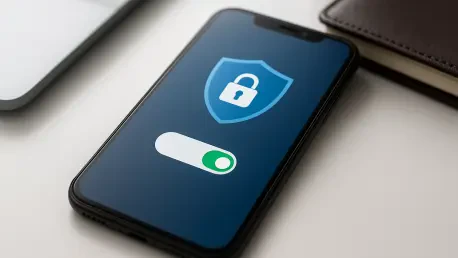
The most effective and immediate defense against the fraudulent use of a compromised identification number is to utilize the national PESEL restriction system. When an individual restricts their PESEL, financial institutions, including banks, credit unions, and mobile network operators, are legally prohibited from allowing the creation of new loans, high-value contracts, or credit cards under that number. In the current 2026 landscape, this mechanism has become a standardized safeguard, ensuring that even if a criminal possesses your identification details, they cannot easily monetize them through traditional financial channels. The process is designed to be user-friendly and instantaneous, reflecting the government’s commitment to digital security following several high-profile breaches. By activating this freeze, the account holder effectively places a legal barrier between their identity and any malicious actor attempting to exploit the stolen MyDr database for monetary gain.
To initiate this restriction, residents have several streamlined options that cater to different levels of digital literacy. The mObywatel mobile application remains the most popular method, where users can navigate to the “Services” menu and toggle the restriction status with a few taps. Alternatively, those who prefer using a desktop computer can access the official gov.pl portal and log in via a trusted profile or e-dowód to perform the same action. For individuals who are less comfortable with digital tools or encounter technical issues, visiting a local municipal or district office in person is a viable and legally binding alternative. It is important to remember that this restriction can be temporarily lifted if the individual actually needs to apply for a loan or sign a new contract, providing a flexible yet robust layer of protection that significantly reduces the risk of long-term financial damage resulting from the MyDr leak.
2. Verify Unexpected Phone Calls: Combating Social Engineering
In the wake of such a significant data exposure, there is a heightened risk of “vishing,” or voice phishing, where criminals use stolen personal details to gain a victim’s trust. Fraudsters may contact individuals while posing as representatives from medical clinics, insurance providers, or even government health agencies, using the specific medical histories found in the leaked MyDr records to appear legitimate. For example, a caller might mention a specific doctor’s visit or a medication that appeared in the stolen data to “verify” the victim’s identity before asking for sensitive financial information or an immediate payment for supposed administrative fees. This psychological manipulation is designed to catch people off guard, exploiting the inherent trust individuals place in healthcare professionals and administrative staff. Awareness of these tactics is the first line of defense in preventing social engineering from evolving into a successful financial theft.
The protocol for handling any unexpected or high-pressure phone call should involve immediate verification through official channels. If a caller requests any form of payment, account login details, or personal confirmation that feels unusual, the safest course of action is to terminate the call immediately. Rather than relying on the number displayed on the caller ID, which can be easily spoofed by modern software, one should manually look up the official contact number for the institution on their verified website. By calling back through an established, public-facing phone line, the individual can confirm whether the previous communication was legitimate or a coordinated scam. This extra step effectively neutralizes the advantage a fraudster gains from having access to personal medical records, as it shifts the interaction from an unsolicited high-pressure environment to a controlled, verified professional setting.
3. Keep Sensitive Codes Private: Protecting Digital Assets
Maintaining the secrecy of authorization codes is a fundamental rule of digital hygiene that becomes even more critical after a major data breach. Malicious actors frequently attempt to bypass security measures by tricking victims into revealing BLIK codes, SMS verification numbers, or multi-factor authentication (MFA) tokens. These codes are the final keys to your financial and digital accounts; once shared, they allow a third party to authorize transactions or take control of private profiles. It is essential to internalize the fact that no legitimate bank employee, healthcare provider, or government official will ever ask for these codes over the phone or through a messaging application. The request for such a code is an absolute red flag, signaling a direct attempt to breach your financial security under the guise of “updating records” or “fixing a technical issue” related to the recent leak.
Furthermore, attackers often try to persuade victims to install remote-access software, such as AnyDesk or TeamViewer, claiming it is necessary to secure the victim’s device or “clean” it from potential malware. Granting a stranger remote access to your smartphone or computer is equivalent to handing them the physical keys to your home and your filing cabinet. Once the software is installed, the criminal can see everything on the screen, access saved passwords, and even manipulate banking apps in real-time. To stay safe in 2026, one must reject any request to download third-party software from an unknown source. Legitimate technical support from reputable companies will never operate in such a clandestine or intrusive manner. Keeping your devices updated with the latest security patches and relying exclusively on official apps from verified stores remains the best practice for preventing unauthorized access to your digital life.
4. Report Suspicious Text Messages: Utilizing National Resources
Phishing through text messages, often called “smishing,” has become increasingly sophisticated, with messages frequently containing links that lead to realistic-looking but fake login pages. Following the MyDr leak, many individuals have reported receiving alerts about “unpaid medical bills” or “required data updates” that include a sense of urgency to click an embedded link. These messages are designed to harvest credentials or install malicious scripts on mobile devices. Instead of engaging with these messages, the public is encouraged to utilize the national cybersecurity resources available to them. By identifying these messages early and refusing to interact with their contents, individuals protect not only themselves but also the broader community by preventing the spread of the phishing campaign through various networks.
One of the most effective tools in the current national security infrastructure is the dedicated 8080 hotline. If a suspicious text message is received, it should be forwarded directly to this number without clicking any links or replying to the sender. This simple action allows the national cybersecurity team to analyze the threat, identify the infrastructure behind the scam, and work with telecommunications providers to block the malicious links across the country. Reporting these incidents contributes to a collective defense mechanism that makes the digital environment safer for everyone. In an era where data breaches are increasingly common, the speed at which authorities can respond to new phishing templates depends heavily on the vigilance and cooperation of the public in reporting these fraudulent attempts as they occur.
5. Cancel Compromised Identification Documents: Preventing Identity Theft
While freezing a PESEL number provides a robust defense against domestic financial fraud, the exposure of physical document details requires a different set of actions. If there is evidence or a strong suspicion that your passport or national ID card information was part of the MyDr leak, it is prudent to consider these documents compromised. While a PESEL freeze stops many automated processes, a physical document number can still be used for more manual forms of identity theft, such as renting expensive equipment, signing certain types of civil-law contracts, or in some cases, opening accounts in jurisdictions outside the immediate reach of the Polish PESEL restriction system. Monitoring all financial statements and credit reports for any unrecognized activity is a necessary ongoing habit for anyone whose data has been exposed in such a high-volume breach.
If unauthorized activity is detected or if the risk is deemed too high, the most secure option is to invalidate the compromised document and apply for a new one. This process can be handled through the mObywatel app, the gov.pl portal, or by visiting the appropriate government office. Invalidating an ID card or passport immediately updates the national registries, ensuring that the old document number is flagged as “lost” or “stolen” in various verification systems used by both public and private sectors. While the replacement process involves some administrative effort and a potential fee, it provides long-term peace of mind by rendering the stolen document data useless for future fraudulent attempts. This step is particularly vital for those who travel frequently or have international financial interests, as it ensures that their primary identification remains secure and verified.
6. Avoid Unofficial Verification Platforms: Navigating Secure Channels
In the chaotic aftermath of a major data leak, opportunistic scammers often set up fraudulent “leak checking” websites or social media groups that promise to tell you if your data was stolen. These platforms are frequently designed to collect even more information from worried individuals, essentially tricking them into handing over the very data they are trying to protect. They might ask for your full name, PESEL, and phone number under the guise of performing a database search. In 2026, the only safe and reliable way to check if your information was part of the MyDr breach is through the official government portal at bezpiecznedane.gov.pl. This site is maintained by the Ministry of Digital Affairs and uses secure authentication methods to provide accurate information without exposing the user to further risk.
Another common misconception being exploited by fraudsters is the idea that a PESEL number can be changed due to a data leak. It is a legal reality in Poland that a PESEL number is assigned for life and can only be changed under very specific, rare circumstances, such as a legal change of gender or an error in the original date of birth registration. Anyone claiming to offer a service to “change your PESEL” or “issue a new number” for a fee is a scammer. These actors prey on the anxiety of victims, offering impossible solutions to gain access to their remaining assets or personal details. Staying informed about the legal limitations of the identification system and relying only on official government communications ensures that you do not fall victim to secondary scams that often follow large-scale data breaches.
Actionable Steps for Long-Term Data Security
The massive breach of the MyDr system necessitated a comprehensive rethink of how personal information was managed and protected. In the months following the incident, authorities and security experts focused on implementing more resilient verification protocols across all public and private sectors. Individuals who proactively restricted their PESEL numbers and updated their identification documents found themselves much better positioned to weather the subsequent waves of attempted fraud. The incident served as a stark reminder that digital security is an ongoing process rather than a one-time setup, leading to a significant increase in the adoption of multi-factor authentication and regular credit monitoring among the general population.
Looking back at the response, the effectiveness of the national cybersecurity hotline and the mObywatel app proved that integrated digital tools were essential for large-scale crisis management. The legal frameworks surrounding data protection were further tightened, placing more stringent requirements on healthcare providers to encrypt patient data at every level of storage and transmission. For those affected, the most important lesson involved the shift toward a “zero-trust” mentality regarding unsolicited communications. By verifying every request for information and utilizing secure government portals, residents were able to regain control over their digital identities, ensuring that the long-term impact of the MyDr leak was minimized through vigilance and the strategic use of available protective measures.