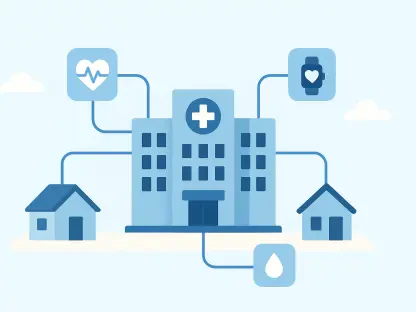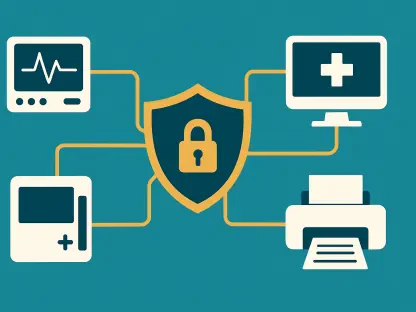

The delicate equilibrium of the American medical infrastructure has been severely shaken following a massive data breach at Craneware, a prominent software provider responsible for the financial health of thousands of healthcare facilities. This sophisticated cyberattack, which originated from an external threat actor, resulted in the unauthorized extraction of a staggering volume of sensitive customer data across the United States. Craneware is a linchpin in the healthcare ecosystem, providing essential revenue cycle management and billing software that keeps the doors open for hospitals, clinics, and pharmacies. By infiltrating these administrative systems, the attackers successfully targeted a vital nerve center of the American medical landscape, threatening the stability of healthcare delivery. This event is not merely an isolated technical failure but a systemic threat that underscores the fragility of the interconnected billing networks that sustain the entire healthcare industry today.
The Strategic Evolution: Shifting Targets in Digital Infrastructure
This incident illustrates a major shift in cybercriminal strategy, moving away from targeting individual hospitals to focusing on third-party software providers who manage the data of hundreds of entities. As medical facilities have strengthened their own internal security through localized firewalls and employee training, hackers have identified a soft underbelly within the digital supply chain. By compromising a single vendor like Craneware, attackers can gain access to thousands of downstream clients at once, creating a massive force multiplier effect that can effectively paralyze entire sectors of the economy. This method provides a much higher return on investment for the attackers compared to the labor-intensive process of breaching individual hospital networks one by one. Consequently, the focus has shifted from the fortress to the shared services that supply the fortress, making every hospital vulnerable regardless of their internal IT budget or their cybersecurity posture.
The vulnerability of the healthcare sector is exacerbated by the specific nature of the software Craneware provides to its vast client base. Revenue cycle management systems are the financial engines of the medical world, handling everything from procedure coding and insurance verification to payment processing and collection. When these systems are compromised or taken offline, the financial flow of a hospital can grind to a halt, which is especially dangerous for providers already operating on razor-thin profit margins. Without the ability to bill insurance companies or verify patient eligibility in real time, hospitals face a liquidity crisis that could lead to delayed payroll or the inability to purchase essential medical supplies. This situation creates a cascading failure where administrative dysfunction leads directly to clinical challenges, proving that financial data security is just as critical to patient safety as the integrity of the medical devices themselves.
Regulatory Complexity: Navigating the Global Landscape of Data Privacy
While the full scope of the theft is still being investigated by forensic experts, the types of information housed within these administrative platforms are inherently sensitive and high-value. Stolen data likely includes not only billing codes and transaction histories but also deeply personal patient identifiers, insurance policy details, and specific treatment records that link procedures to individuals. The theft of this protected health information triggers a complex regulatory response that puts healthcare providers in a difficult position as they scramble to assess the damage. Currently, U.S. healthcare providers are in a difficult holding pattern because they are dependent on Craneware’s internal investigation to determine exactly which records were taken and which patients must be notified under federal law. This lack of direct control over the investigation process leaves hospital administrators in a state of paralysis, unable to fulfill their own legal transparency obligations.
This situation is further complicated by the jurisdictional divide between the United States and the United Kingdom, where the software provider is headquartered. With Craneware operating out of Scotland, the breach response must navigate both the strict requirements of the UK General Data Protection Regulation and the multifaceted landscape of U.S. privacy laws, such as HIPAA and the HITECH Act. This creates a legal and administrative maze for all parties involved, as data sovereignty issues arise regarding where the data was stored and which government has the authority to lead the investigation. The coordination between international law enforcement agencies, such as the FBI and the UK National Cyber Security Centre, adds another layer of complexity that can slow down the recovery process. Hospitals are forced to wait for legal clearances before they can even begin the process of rebuilding patient trust, highlighting a significant gap in international data security frameworks.
Industry Resilience: Future Strategies for Third-Party Risk Management
The Craneware incident follows a pattern of increasingly aggressive attacks on healthcare technology, mirroring the massive ransomware attack on Change Healthcare that occurred earlier this year. These events suggest that healthcare vendors are under a sustained and systematic campaign by sophisticated threat actors who view the medical supply chain as a primary target for extortion. This trend is partly a byproduct of the rapid digital transformation that occurred during the pandemic, where the rush to adopt cloud-based tools often prioritized immediate functionality over rigorous security vetting. Many organizations integrated these platforms into their core operations without fully understanding the secondary risks associated with third-party software dependencies. The current crisis reveals that the efficiency gained through cloud-based revenue management came at the cost of centralized vulnerability, as the consolidation of data into fewer providers has created single points of failure.
Beyond the immediate operational hurdles, the long-term impact on affected hospitals was substantial, involving legal fees, potential fines, and a significant loss of patient trust. This crisis served as a stark wake-up call for the healthcare sector to prioritize vendor security assessments and establish robust contingency plans for when core systems went dark. Experts recommended that hospitals adopted a zero-trust architecture and implemented more frequent audits of their software supply chain to mitigate these risks. Organizations realized that relying on a single provider for critical financial infrastructure was a liability that required diversification or redundant offline systems. Moving forward, the industry prioritized the development of standardized security protocols for third-party vendors to ensure that every link in the digital chain met a minimum threshold of resilience. This proactive approach to risk management became the new standard for facilities seeking to protect both their financial viability and reputation.