
The reliance on both physical retail stores and an extensive e-commerce platform makes the alleged breach of Medical Department Store particularly concerning for Florida residents. This situation highlights the fragile nature of the supply chain for essential durable medical equipment, where

The rapid transition toward a unified healthcare ecosystem is compelling patient-facing applications to connect seamlessly with existing Electronic Health Records to ensure real-time data access. In the current landscape of 2026, the American medical industry has moved decisively away from the

The simultaneous claims from GENESIS and Anubis suggest that multiple initial access brokers may have sold different entry points into Interim HealthCare’s sprawling network of local offices. This convergence of cybercriminal activity highlights a growing crisis within the home healthcare sector,
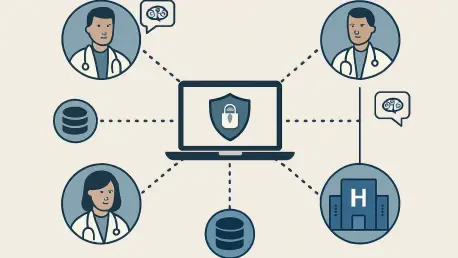
The dynamic weighted K-asynchronous federated learning protocol allows local medical devices to train security models without sharing raw, sensitive health information with a central server. This breakthrough is particularly significant for Wireless Body Area Networks (WBANs), which have

Lawmakers like Chairman Mike Bost and Ranking Member Mark Takano are prioritizing fiscal oversight as the VA enters its most aggressive phase of system deployment to date. This shifting landscape marks a critical juncture for the Department of Veterans Affairs as it moves beyond experimental pilots

Those seeking restitution for identity theft losses must provide tangible evidence such as bank statements or receipts, as personal notes are not accepted as valid proof. The legal resolution of the cybersecurity incident involving Ochsner LSU Health and Regional Urology represents a significant