

Consultations regarding the specific classification of artificial intelligence medical devices are scheduled to begin in early 2027 following preliminary draft guidance. This strategic pivot by the Medicines and Healthcare Products Regulatory Agency marks a decisive moment in British medical
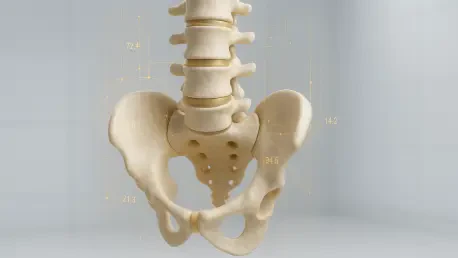
Mathematical filters like LASSO regularization ensure that AI models focus only on the most predictive markers of cancer while discarding irrelevant data points. This methodological precision is essential when addressing sacral tumors, which represent a significant hurdle in modern orthopedic

The incremental cost-utility ratio for PHI testing falls well within the accepted willingness-to-pay threshold based on the national gross domestic product per capita in China. As the nation faces a demographic shift toward an aging population, the prevalence of prostate cancer is rising at a rate
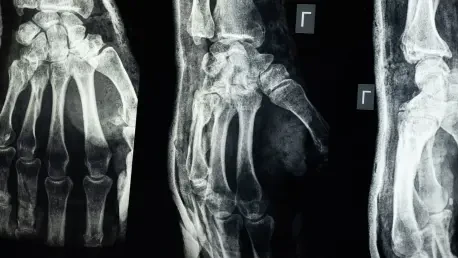
The fragility of AI performance is highlighted by the dramatic drop in sensitivity when a model is applied to data from a source not included in its training set. Primary bone tumors represent one of the most daunting diagnostic hurdles in modern musculoskeletal radiology due to their extreme
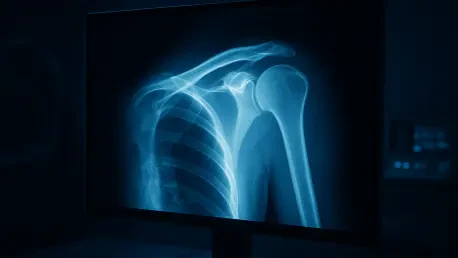
While Magnetic Resonance Imaging serves as the definitive tool for diagnosing tendon damage, its high cost and limited availability frequently delay treatment for patients in resource-constrained environments. Consequently, the clinical landscape of musculoskeletal medicine is defined by a tension

Routine laboratory data provides a wealth of biochemical markers that can reveal liver stress, yet interpreting these panels remains a subjective and error-prone task. Hepatitis C, frequently described by healthcare professionals as a "silent killer," poses a significant global threat because the