
Dr. Gregory V. Gasbarro is leading a shift in orthopedic surgery by utilizing 3D CT scans to create highly individualized pre-operative plans for shoulder patients. The human shoulder is one of the most mobile and complex structures in the musculoskeletal system, but when arthritis or chronic injury strikes, that mobility often transforms into a source of debilitating pain for many people. This transition at Mercy Medical Center in Baltimore represents a fundamental departure from the traditional approach to arthroplasty, which often relied on generic sizing and intraoperative estimation. By becoming one of the first institutions in the Mid-Atlantic region to implement Mako SmartRobotics technology for this application, the center has established a new benchmark for regional orthopedic care. The primary goal is to provide surgeons with a digital roadmap that removes much of the uncertainty previously associated with complex implant placement.
The Precision of Robotic-Arm Assistance
Digital Pre-Operative Planning: A New Standard
The integration of advanced robotic-arm assisted technology begins long before the patient ever enters the operating room, starting with a sophisticated imaging protocol that captures the nuance of joint decay. Through the use of a detailed 3D CT scan, the surgical team can visualize the intricate geometry of the patient’s shoulder anatomy in high resolution, allowing for the creation of a virtual model. This digital twin serves as the foundation for the entire surgical procedure, enabling Dr. Gasbarro to plan the exact size, orientation, and alignment of the prosthetic components with exceptional clarity. Traditional methods often rely on two-dimensional X-rays and intraoperative visual estimation, which can lead to variations in implant positioning. However, the use of a 3D model allows for a predictive analysis of how the joint will function post-surgery, significantly reducing the risks of early implant wear or instability for the patient.
Real-Time Execution and Surgical Accuracy
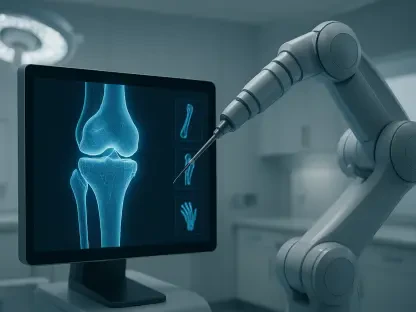
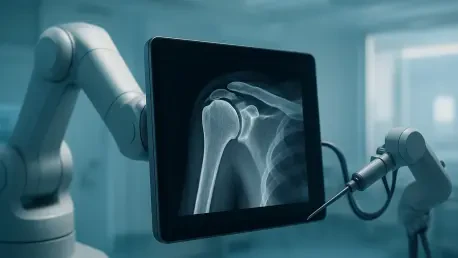
During the actual procedure, the Mako system acts as a high-precision guide that translates the digital plan into physical reality through tactile and visual feedback loops. The robotic arm does not replace the surgeon but rather enhances their technical capabilities by maintaining strict boundaries within the surgical field, ensuring that bone preparation remains within the predefined parameters. This level of accuracy is particularly beneficial in complex reconstruction cases where the remaining bone stock may be limited or deformed by severe chronic arthritis. As the surgeon operates, the system provides real-time data on the tension and balance of the surrounding soft tissues, allowing for immediate adjustments that were once difficult to quantify. By maintaining this rigid adherence to the pre-operative map, the risk of technical error is minimized, which is essential for achieving the stability required for long-term surgical success and improved patient mobility.
Clinical Implications and Patient Recovery
Addressing Complex Chronic Joint Conditions
Patients suffering from chronic rotator cuff arthropathy or severe osteoarthritis often face significant challenges regarding range of motion and daily functionality, making them prime candidates for robotic intervention. This methodology addresses these specific hurdles by facilitating a more predictable outcome for surgeries that were once considered highly variable. By optimizing the placement of the glenoid and humeral components, the technology restores natural biomechanics, which is critical for active patients. This precision is supported by The Shoulder Joint Journey, a comprehensive program at Mercy Medical Center directed by Dr. Gasbarro. Alongside specialists like Drs. Joseph Ciotola, Mark Slabaugh, and John-Paul Rue, the initiative focuses on education and standardized recovery protocols. By pairing robotic accuracy with a multidisciplinary care team, the center ensures that every patient has a clear and evidence-based roadmap for their physical rehabilitation and long-term health.
Actionable Insights for Modern Orthopedics
The adoption of robotic-arm technology for shoulder replacement marked a significant milestone in the evolution of joint reconstruction within the Mid-Atlantic healthcare landscape. Stakeholders established that the synergy between digital planning and surgical execution provided a superior pathway for patients seeking relief from chronic joint dysfunction. To maximize the benefits of these advancements, individuals suffering from shoulder pain were encouraged to seek evaluations that utilized 3D modeling as a standard part of their diagnostic workup. Moving forward, the focus shifted toward expanding these robotic protocols to a wider range of orthopedic applications, ensuring that precision remained the cornerstone of surgical medicine. Medical professionals recognized that the success of the Mako system was not merely in the hardware itself, but in the integration of specialized expertise and personalized care plans that empowered patients to regain their independence.