
Modern emergency responders require more than just clinical knowledge; they must develop the cognitive resilience needed to manage the sensory and cognitive overload of real-world calls. In 2026, the Emergency Medical Services (EMS) sector in the United States faces a systemic crisis defined by

The Queen of Hearts AI model reduces false-positive heart attack notifications from nearly 42 percent to less than 8 percent, preventing unnecessary catheterization lab activations. Tanner Health has officially become the first healthcare system in the United States to commercially implement the
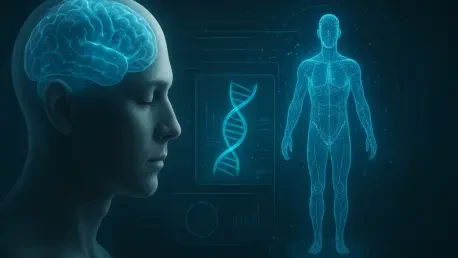
A unified approach to health data enables predictive models to achieve accuracy levels comparable to specialized tools designed for single-disease detection. Modern medical practice has fundamentally pivoted from diagnosing existing conditions to forecasting physiological collapses before they

A dual-path architecture enables a model to balance the forest and the trees by capturing both long-range slide context and immediate local tissue morphology. The digitization of pathology slides has ushered in an era where billions of pixels describe a single patient biopsy, yet this abundance of
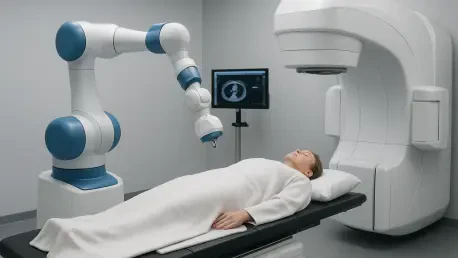
The transition from reactive AI co-pilots to autonomous agentic systems marks a foundational shift in how clinical oncology manages the overwhelming volume of multimodal patient data. As the current landscape of cancer care becomes increasingly saturated with complex genomic profiles,

Consumer-grade AI platforms lack the cross-disciplinary engineering and medical research background necessary to interpret complex respiratory data for sleep patients. This technological limitation has become a focal point of concern as millions of individuals now turn to large language models for