
The rapid deployment of algorithmic diagnostic tools across diverse medical landscapes has created a stark divide between the promise of universal healthcare access and the reality of unmonitored clinical risk. While the integration of artificial intelligence into global healthcare presents a profound technological paradox, the actual implementation often outpaces the development of necessary regulatory frameworks. In regions that stand to benefit most, such as emerging markets and rural communities, the technology acts as a double-edged sword. It offers a sophisticated level of diagnostic capability that was previously unimaginable in remote settings, yet it simultaneously introduces a layer of abstraction that can mask life-threatening errors. The current trajectory suggests that without a balanced approach, the very tools designed to equalize patient care could inadvertently exacerbate the divide between those who can afford human expert verification and those who must rely solely on automated outputs. This high-stakes environment requires a nuanced understanding of how digital systems interact with physical realities.
Leveling the Global Playing Field: Bridging the Specialized Care Gap
In many developing regions where specialized medical expertise remains a scarce resource, artificial intelligence has emerged as a transformative tool capable of significantly raising the floor of standard care. For patients living hundreds of miles from a specialized cardiology center, an AI-driven diagnostic system can bridge the massive geographical gap by triaging emergencies and providing real-time decision support to local general practitioners. These systems analyze electrocardiograms and imaging data with a speed that manual processing cannot match, allowing skeletal healthcare infrastructures to maximize their efficiency. By automating the most routine diagnostic tasks, these technologies ensure that the limited human resources available are directed toward the most critical and complex cases. This shift effectively democratizes access to high-level clinical insights, potentially saving countless lives in territories that historically lacked any form of specialized medical intervention or timely cardiac screening.
However, the overwhelming enthusiasm for this technological leapfrogging can sometimes blind health administrators and regional policy makers to the profound systemic risks involved in such a transition. In the urgent rush to modernize, many national health systems have begun to adopt these advanced tools without establishing a comprehensive understanding of their operational limitations or edge-case failures. The primary danger remains that the very technology intended to close the global healthcare gap could inadvertently introduce new, invisible vulnerabilities if it is not supported by a robust framework of human oversight. Without rigorous local validation, an algorithm trained on data from one population may produce skewed results when applied to a different demographic with unique genetic or environmental factors. Consequently, the reliance on automated systems without a secondary layer of expert review creates a fragile ecosystem where digital efficiency is prioritized over long-term clinical safety and patient outcomes.
The Limits of Digital Representation: Understanding the Observability Gap
A critical challenge currently facing the field of medical artificial intelligence is the concept of observability, which refers to the limited ability of an algorithm to grasp a patient’s true clinical condition. Artificial intelligence does not perceive the patient as a multifaceted human being; instead, it processes a digital silhouette constructed from laboratory results, radiographic scans, and periodic vital signs. This representation is inherently incomplete because it completely misses the analog data points that a seasoned clinician relies upon for an accurate assessment. Subtle indicators such as a patient’s facial expression, physical frailty, or a minute change in their demeanor are often the most telling signs of a deteriorating condition, yet these nuances remain invisible to software. When a diagnostic tool interprets a narrow stream of data without the context of a physical examination, the resulting conclusion may be technically logical but clinically erroneous, leading to a dangerous detachment from the reality of the patient.
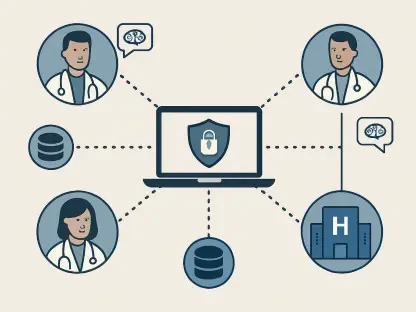
In established and well-funded medical institutions, a dense human safety net consisting of senior physicians and experienced nurses exists to challenge an algorithm whenever its output contradicts the physical reality of a patient. These experts provide a vital check against algorithmic drift or data corruption, ensuring that technology serves as an assistant rather than a primary decision-maker. In contrast, modernizing health systems often turn to artificial intelligence precisely because they lack this deep pool of human expertise and institutional memory. This creates a precarious scenario where the conclusions generated by an AI are trusted implicitly by junior staff, simply because there is no one present with the authority or experience to question a black box error. When the software becomes the sole arbiter of clinical truth, the potential for catastrophic failure increases, as there is no manual override mechanism to catch the subtle miscalculations that occur when digital models encounter complex, real-world biological variables.
Future Directions: Integrating Safety and Skills
To address these growing concerns, leading international health organizations established a set of mandatory verification protocols designed to prevent the erosion of clinical intuition. These frameworks mandated that all high-stakes diagnostic software undergo rigorous stress testing against diverse datasets before receiving regional certification for clinical use. Furthermore, medical education programs implemented specific curriculum changes that prioritized manual diagnostic proficiency alongside digital literacy to ensure that the next generation of doctors remained capable of independent thought. By treating clinical expertise as a protected resource, the industry moved away from the idea that automation could entirely replace the human element of medicine. These initiatives focused on creating a collaborative environment where algorithms were used to augment rather than substitute the professional judgment of healthcare providers. This systemic shift allowed for a more resilient infrastructure.
The adoption of currency requirements, inspired by the aviation industry’s approach to pilot proficiency, ensured that clinicians maintained their manual diagnostic sharpness even in highly automated environments. These standards required doctors to periodically perform assessments without the aid of software to confirm their ability to recognize complex symptoms and rare conditions independently. Additionally, health systems invested heavily in transparent AI models that provided explainable results, allowing practitioners to understand the reasoning behind each automated suggestion. This transparency fostered a deeper level of trust and accountability, as clinicians were able to identify and correct errors in real time. Ultimately, the successful integration of artificial intelligence into the global medical landscape depended on the continuous training of the people who supervised the software. By prioritizing human-centric safety nets, the medical community successfully transformed artificial intelligence into a reliable equalizer.