
The rapid evolution of genomic sequencing and personalized medicine has created a complex landscape where oncologists must navigate thousands of potential treatment combinations for every individual patient diagnosis. To address this mounting challenge, NYU Langone Health and Dana-Farber Cancer Institute have officially deployed a sophisticated Oncology Decision Suite designed to harmonize vast amounts of clinical data with real-time research insights. This initiative marks a significant shift in how academic medical centers utilize artificial intelligence to synthesize patient-specific molecular profiles against the latest therapeutic protocols and global clinical trials. By leveraging the combined intellectual property and longitudinal patient records from two of the nation’s leading cancer centers, the suite provides a streamlined interface that assists clinicians in identifying the most effective interventions. The platform does not replace human judgment but rather acts as a digital navigator that filters out noise, ensuring that no viable treatment path remains overlooked during the critical window following a primary diagnosis.
Integration of Advanced Clinical Intelligence
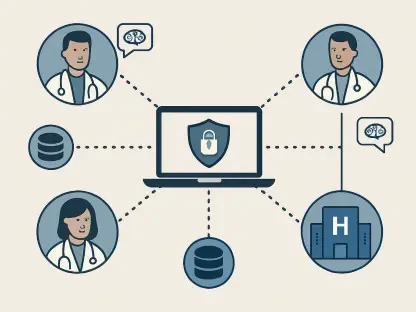
The architecture of this new decision-support system relies on a deep integration of machine learning algorithms that scan multi-omic datasets, including genomics, proteomics, and transcriptomics. These algorithms are trained to recognize patterns that correlate specific genetic mutations with successful drug responses, drawing from a proprietary knowledge base that is updated as frequently as new peer-reviewed findings emerge. Unlike previous iterations of clinical software that functioned as static repositories, this suite actively pushes relevant alerts to the oncology team when a patient’s lab results match the eligibility criteria for a novel immunotherapy trial or a targeted molecular therapy. The system architecture emphasizes interoperability, allowing it to pull seamlessly from electronic health records while maintaining the highest standards of data privacy and security. Consequently, the time required to develop a comprehensive, evidence-based treatment plan has been reduced from days to minutes, allowing for a more agile response to aggressive tumor progressions.
Cooperation between NYU Langone and Dana-Farber allows the Oncology Decision Suite to benefit from a diverse and expansive pool of patient data that reflects a broad range of demographics and cancer subtypes. This collaborative database ensures that the AI models are not biased toward a specific population, which has been a recurring issue in earlier healthcare automation efforts. By pooling resources, the two institutions have created a feedback loop where clinical outcomes from one center can help refine the predictive models used by the other, fostering a continuous improvement cycle in diagnostic accuracy. The suite also incorporates a dedicated module for toxicity management, which predicts how individual patients might react to certain aggressive chemotherapy regimens based on their unique physiological markers. This preemptive capability allows physicians to adjust dosages or select alternative agents before adverse events occur, significantly improving the quality of life for patients undergoing intensive treatments.
Bridging the Gap Between Research and Bedside Care
One of the primary advantages of this new clinical framework is its ability to bridge the persistent gap that often exists between laboratory breakthroughs and their practical application at the bedside. Historically, it could take several years for a validated research discovery to become standard practice across community and academic settings, often due to the sheer volume of information doctors are expected to digest. The Oncology Decision Suite solves this by embedding research insights directly into the clinical workflow, making the latest science accessible without requiring the physician to manually search through disparate journals. This real-time translation of data is particularly critical in the field of rare cancers, where clinical guidelines may be less established and the reliance on emerging evidence is much higher. By providing a centralized source of truth that is vetted by specialists from both NYU Langone and Dana-Farber, the platform ensures that the highest level of expertise is accessible to every patient.
The successful rollout of the Oncology Decision Suite established a new benchmark for how major medical institutions utilized technology to overcome the bottlenecks of modern oncology. Stakeholders observed that the integration of cross-institutional data and automated clinical matching significantly improved patient throughput and treatment precision during the initial launch phase. To maintain this momentum, healthcare organizations prioritized the continuous validation of AI models against real-world outcomes and invested in training programs for the next generation of digitally literate clinicians. Moving forward, the emphasis shifted toward fostering open collaboration across different technological platforms to ensure that life-saving data was never siloed. This transition necessitated a commitment to refining regulatory frameworks that balanced rapid innovation with rigorous patient safety protocols. By focusing on these actionable areas, the medical community ensured that the advancements in clinical intelligence translated into measurable improvements.