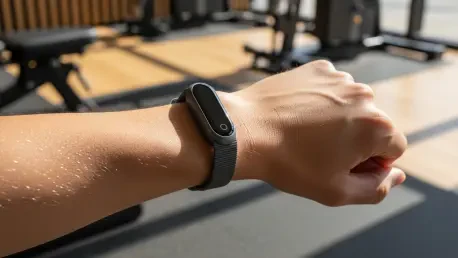
The arrival of the Fitbit Air marks a pivotal moment for those seeking to escape the constant interruptions of digital notifications without sacrificing the deep health insights provided by modern technology. In a marketplace saturated with wrist-worn computers that demand constant attention, this

The quiet hum of a medical-grade oxygen concentrator in a suburban living room serves as a powerful testament to the massive decentralization currently reshaping the global healthcare landscape. As the medical world moves away from a traditional, hospital-centric model, a new patient-centric
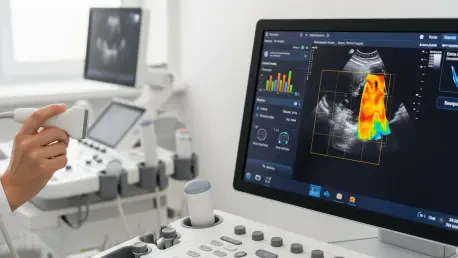
Finding a definitive biological marker for Parkinson’s disease has historically required a combination of invasive procedures and prohibitively expensive neuroimaging that remains inaccessible for many patients worldwide. While magnetic resonance imaging and positron emission tomography provide
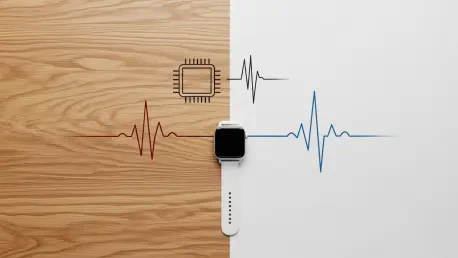
The ubiquity of wrist-worn sensors has fundamentally altered the landscape of personal health monitoring by transitioning from simple pedometers to sophisticated biometric laboratories. In the current landscape, wearable technology is undergoing a massive shift, moving away from its origins as a
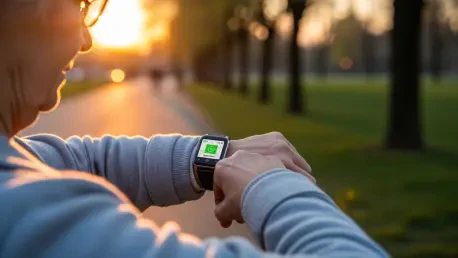
The rapid transformation of wearable technology has fundamentally altered the standard of care for the aging population by turning simple wrist-worn gadgets into powerful medical devices. In current clinical and domestic settings, these instruments serve as constant digital companions that bridge

The healthcare industry has reached a critical juncture where the simple distribution of connected medical devices no longer suffices to meet the rigorous demands of chronic disease management across diverse patient populations. While the initial surge in remote patient monitoring was driven by