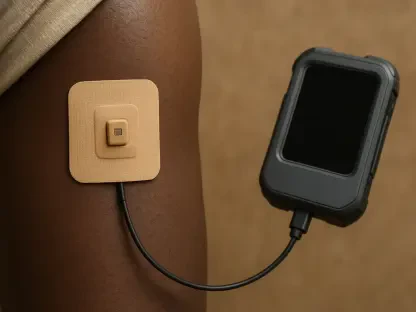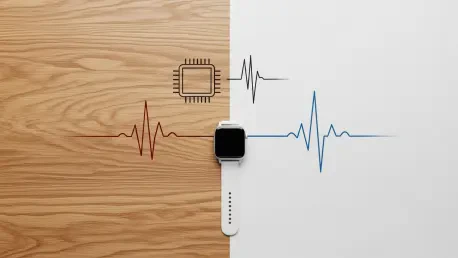

The ubiquity of wrist-worn sensors has fundamentally altered the landscape of personal health monitoring by transitioning from simple pedometers to sophisticated biometric laboratories. In the current landscape, wearable technology is undergoing a massive shift, moving away from its origins as a simple novelty. In the past, these devices were mostly used as step counters or basic fitness trackers. Today, they are evolving into sophisticated health interfaces that use artificial intelligence to interpret complex physiological signals. This shift is driven by the longevity era, where investors and developers aim to create a personal health operating system that connects real-time data with traditional clinical records. As these gadgets become more advanced, they begin to occupy a gray area between consumer electronics and medical equipment. High-tech sensors can now monitor everything from brain waves to hormone levels, making them essential tools for longevity research and real-time analysis.
Defining the Legal Boundaries of Medical Devices
The primary legal challenge for any wearable company is whether the government considers their product a medical device. Under the Federal Food, Drug, and Cosmetic Act, a device is classified as medical if it is intended to diagnose, treat, or prevent a disease. This classification is not just about what the device can do; it is about intended use, which regulators determine by looking at marketing claims, product labels, and specific features. For example, a ring that simply reports a sleep score is treated differently than one that claims to identify early signs of sleep apnea. The regulatory burden increases exponentially when a product crosses into the diagnostic realm, requiring rigorous clinical trials and substantial evidence of efficacy. Manufacturers must navigate these waters carefully, as a single poorly phrased advertisement can attract the attention of federal investigators who monitor the digital health space for unauthorized medical claims and safety violations.
To help encourage innovation, the 21st Century Cures Act created a specific general wellness category that remains vital for the tech industry. This provides a safe harbor for products that simply encourage a healthy lifestyle and carry very little risk to the user. However, as wearable brands add features like cardiac rhythm analysis or blood pressure tracking, it becomes increasingly difficult to stay within this wellness exemption without triggering strict medical oversight. The distinction often hinges on whether the data provided is actionable in a clinical sense or merely informational. If a device suggests that a user should seek immediate medical intervention based on a specific biometric reading, it has likely transitioned from a lifestyle accessory to a regulated medical tool. This evolving boundary forces engineering teams to work closely with legal counsel to ensure that every new sensor function is framed correctly within the current regulatory frameworks.
Regulatory Enforcement and Clinical Determination
The Food and Drug Administration has already set several precedents that define these boundaries through specific enforcement actions. A major milestone occurred when the Apple Watch received clearance for its ECG feature, showing that consumer tech could meet clinical standards under federal oversight. This clearance proved that mass-market devices could provide data reliable enough for physician review, provided they underwent the necessary de novo or 510k pathways. On the other hand, the agency recently issued a warning to WHOOP regarding its blood pressure insights, illustrating the risks of aggressive marketing. The government argued that because the feature was marketed for cardiovascular health management, it functioned as an unauthorized medical device. This highlights a critical tension: companies want to offer cutting-edge features to remain competitive, but the FDA requires that any feature impacting clinical care must be validated through formal scientific procedures.
These enforcement actions led to updated federal guidance aimed at clarifying the rules for developers in this high-stakes environment. The government now makes a clear distinction between providing general insights and making clinical determinations about a user’s health. While a device can still track physiological data for wellness purposes, any output that suggests a specific medical condition or provides a clinical assessment will likely require formal authorization from the agency. For instance, a wearable that tracks temperature fluctuations for menstrual cycle logging is often treated differently than one that claims to detect infectious diseases. Developers must be meticulous in their documentation, ensuring that the software algorithms do not overreach in their interpretations. As artificial intelligence becomes more integrated into these platforms, the line between data visualization and medical diagnosis continues to thin, prompting the government to issue even more granular standards for software as a medical device.
Litigation Risks and Health Infrastructure Integration
Violating these regulations creates significant legal risks beyond just government fines or administrative warnings. When a company missteps, it often faces consumer class-action lawsuits accusing the brand of deceptive marketing or false advertising. Furthermore, the Federal Trade Commission has the power to challenge health claims even if the FDA has not taken action, creating a multi-layered regulatory threat. This dual-track risk means that companies must be extremely careful to ensure their advertisements match their regulatory filings precisely. Consumers are increasingly litigious when they feel that a device marketed as a health savior fails to deliver accurate results or puts their safety at risk through false negatives. The financial impact of a large-scale lawsuit can be devastating for even established tech giants, potentially leading to forced product recalls and permanent damage to brand reputation. Legal departments now play a central role in the product development lifecycle from start to finish.
The role of wearables is also expanding into the broader healthcare infrastructure, changing how care is delivered and financed. Insurance companies are starting to offer rewards for using these devices, and federal programs like Medicare are exploring how to use connected tech for patient care. This integration raises new questions about professional licensing and the corporate practice of medicine, as platforms begin to provide individualized health assessments. When a computer algorithm provides a personalized recommendation that traditionally required a doctor’s signature, it challenges the established hierarchy of medical practice. This shift necessitates a reevaluation of liability, as it is often unclear who is responsible if an automated health insight leads to a negative medical outcome. As health systems become more digitized, the data generated by consumer wearables is being pulled into electronic health records, blurring the line between patient-generated data and professional clinical observations.
Adaptive Strategies for a Transformed Health Ecosystem
Finally, the industry is pushing for legislative updates to match the reality of modern technology and the data it generates. Current laws are designed for episodic care—meaning one-time medical visits—but wearables provide a constant stream of health data that does not fit neatly into old boxes. This mismatch creates a friction point where beneficial technologies are held back by rules designed for a different era of medicine. Proposed legislation like the THRIVE Act suggests creating a new category for healthspan devices, which would recognize the unique role of tools that monitor long-term physiological trends. This would allow for better oversight of products that help people live longer, healthier lives without forcing them into outdated regulatory molds that prioritize acute intervention over preventative wellness. By creating a tiered system of regulation, the government could protect public safety while still allowing the fast-paced innovation that characterizes the technology sector.
Manufacturers and consumers alike navigated this complex transition by adopting a more disciplined approach to health data. Developers established clear protocols for clinical validation, ensuring that high-risk features underwent rigorous testing before reaching the public. Regulatory bodies moved toward more flexible frameworks that accounted for the continuous nature of wearable data. Patients took greater responsibility for their health by understanding the limitations of their devices and consulting with professionals when interpreting biometric trends. The industry prioritized transparency, making it clear when a notification was a lifestyle nudge versus a medical alert. These collaborative efforts built a more resilient health ecosystem where consumer technology successfully complemented professional medical care. Looking forward, the focus remained on refining the integration of AI to minimize errors and maximize the preventive potential of every sensor. This proactive stance ensured that the distinction between a gadget and a tool became a source of clarity.