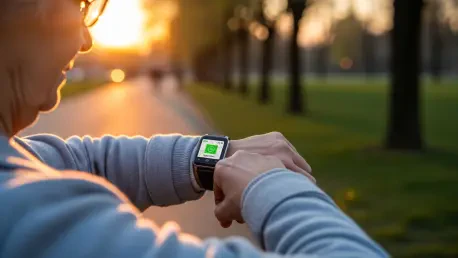

The rapid transformation of wearable technology has fundamentally altered the standard of care for the aging population by turning simple wrist-worn gadgets into powerful medical devices. In current clinical and domestic settings, these instruments serve as constant digital companions that bridge the gap between independent living and twenty-four-hour supervision. Unlike earlier iterations that focused primarily on fitness for the active youth, contemporary smartwatches prioritize the unique physiological and safety needs of seniors. They provide a critical layer of protection that allows older adults to age in place, avoiding or delaying the move to assisted living facilities. This shift is driven by the integration of sophisticated artificial intelligence that monitors health metrics with clinical-grade accuracy. Families and professional caregivers now rely on these devices to maintain a consistent flow of health data, reducing the anxiety associated with solo living while ensuring that any sudden medical emergency is met with a rapid response.
Sophisticated Protective Technologies
Automatic Fall Detection: Enhancing Emergency Response
The implementation of automatic fall detection represents a pinnacle of safety engineering, utilizing highly sensitive accelerometers and gyroscopes to monitor body orientation. These sensors work in tandem with advanced machine learning models that have been trained on thousands of datasets to distinguish between a dangerous hard fall and everyday activities. For instance, the sudden deceleration followed by a specific impact signature allows the device to recognize when a user has collapsed rather than simply sitting down quickly on a soft couch. This distinction is vital because it ensures that emergency services are only contacted when truly necessary, preventing the system from becoming a source of constant interruptions. Modern devices are now capable of analyzing the vector of a fall, identifying whether it was a forward trip or a backward slip, which provides first responders with early clues about potential injuries even before they arrive on the scene.
Beyond the initial detection of an impact, the safety protocol following a fall is designed to provide a comprehensive response when the wearer is unable to act. If the smartwatch detects a high-impact event, it initiates a countdown and issues a haptic vibration or audible alarm to check on the user. If the individual remains motionless for a full sixty seconds after the alert, the device automatically bypasses manual input to contact local emergency dispatchers or designated family members. This monitoring for stillness phase is crucial for cases where the wearer has lost consciousness or is in a state of shock, rendering them unable to press an SOS button. By transmitting the exact coordinates of the event along with a recorded audio snippet from the microphone, the watch provides context to responders. This streamlined communication chain drastically reduces the response time, which is the most significant factor in determining the recovery outcome.
Precision Sensor Calibration: Reducing False Alarms
To ensure that these protective technologies are both reliable and non-intrusive, manufacturers have developed sophisticated sensitivity calibration settings within the software. These systems allow the watch to learn the specific activity levels and movement patterns of the individual wearer over a period of several days. For an active senior who enjoys gardening or light exercise, the sensors adjust their thresholds to avoid triggering alerts during routine strenuous tasks that might mimic the physics of a fall. Conversely, for users with limited mobility, the sensitivity can be increased to capture even minor slips that could still lead to significant health complications. This personalization is a key advancement that prevents alert fatigue, a common issue where users disable safety features because of frequent false positives. By fine-tuning the device to the user’s lifestyle, the technology remains a silent guardian that only interrupts when a genuine crisis occurs.
Maintaining a seamless user experience is essential for long-term adoption among seniors who may be skeptical of complex technological interventions. The current generation of smartwatches achieves this by operating mostly in the background, requiring very little manual configuration from the wearer once the initial setup is complete. The software uses predictive analytics to identify when a sensor might be malfunctioning or when the battery is too low to maintain safety monitoring, sending proactive alerts to the user or their caregiver. This level of reliability ensures that the safety net is always active, providing a sense of security that is not contingent on the senior remembering to activate a specific mode. Furthermore, the aesthetic design has evolved to look like a traditional timepiece, removing the stigma sometimes associated with medical alert pendants. This combination of high-tech precision and discreet design ensures that safety features are integrated into daily life.
Comprehensive Monitoring: Ensuring Mobility and Wellness
Multi-Layered Location Tracking: Beyond Standard GPS
For seniors dealing with cognitive decline or memory loss, standard GPS is often insufficient, especially when navigating dense urban areas or large buildings. To address this limitation, top-tier smartwatches utilize a Tri-Link approach that combines satellite positioning with Wi-Fi network scanning and cellular tower triangulation. This multi-layered system ensures that caregivers can locate a loved one even in challenging environments like apartment basements or crowded shopping centers where satellite signals are typically blocked. By utilizing nearby Wi-Fi signals to approximate location, the device can provide an accurate floor level or specific room location within a facility. This is particularly vital for individuals who experience sundowning or wandering, as every minute spent searching increases the risk of injury. The precision of this tracking provides families with a real-time window into the wearer’s safety regardless of their physical environment.
Beyond real-time tracking, these devices offer geofencing capabilities that allow families to establish safe zones around the wearer’s home, park, or local community center. If a senior wanders outside these pre-defined boundaries, the watch sends an instant notification to a caregiver’s smartphone, often providing a live navigation route to the senior’s current location. Additionally, the breadcrumb history feature allows families to review movement patterns over several weeks, helping them identify subtle changes in habits that might indicate a need for more intensive support. For example, a senior who suddenly stops visiting a favorite local cafe might be experiencing an onset of depression or physical fatigue that requires medical attention. This behavioral insight transforms the smartwatch from a reactive emergency tool into a proactive diagnostic instrument that monitors the overall well-being and social engagement of the aging individual.
Biometric Integration: Advanced Health Strategies
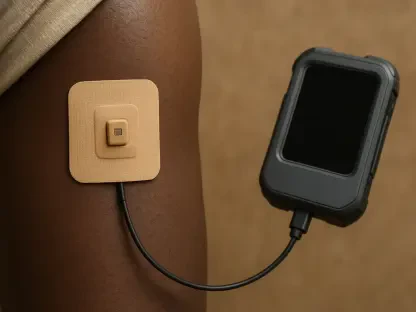
Modern smartwatches function as miniature clinics on the wrist, offering continuous tracking of vital signs such as heart rate, blood oxygen levels, and hydration status. Advanced sensors are now capable of detecting atrial fibrillation with a high degree of accuracy and monitoring for signs of sleep apnea by identifying oxygen dips during the night. Proactive hydration and temperature reminders are also included to prevent common issues like heat exhaustion and urinary tract infections, which are particularly dangerous for the elderly during the summer months. By analyzing these biometric trends over time, the device can alert the wearer to early signs of medical distress, such as a rising resting heart rate that might indicate an underlying infection. This continuous stream of data allows for earlier intervention, often preventing a condition from escalating into a serious health crisis that would require hospitalization or intensive medical care.
The adoption of these advanced wearable technologies provided a robust framework for improving the quality of life and safety for the aging population. By integrating sophisticated fall detection, multi-layered navigation, and continuous biometric monitoring, these devices bridged the gap between healthcare facilities and the home environment. The implementation of personalized calibration and physical SOS buttons ensured that the technology remained accessible and reliable for users with varying levels of technical proficiency. As these systems became more prevalent, they empowered seniors to maintain their independence for longer periods while giving families the necessary tools to monitor their well-being from a distance. The strategic combination of proactive health insights and reactive emergency protocols redefined the approach to geriatric care, focusing on prevention and rapid response. Ultimately, the decision to incorporate these smart companions into daily routines offered a practical solution to aging.