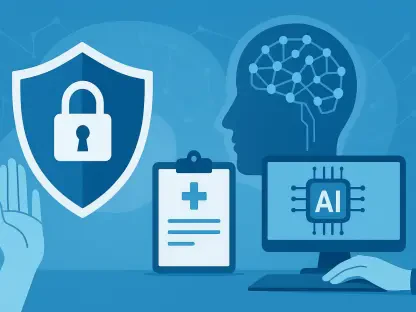

The healthcare industry has reached a critical juncture where the simple distribution of connected medical devices no longer suffices to meet the rigorous demands of chronic disease management across diverse patient populations. While the initial surge in remote patient monitoring was driven by urgent necessity and favorable reimbursement shifts, the current focus has moved toward creating a cohesive operational framework that can support these tools at scale. Healthcare systems now recognize that digital tools are not independent solutions but rather components of a larger, integrated care delivery system that requires meticulous planning. This evolution marks a transition from a reactive model, where data was often siloed and underutilized, to a proactive environment where real-time insights drive clinical decision-making. As the sector moves deeper into this data-driven era, the primary challenge is no longer the availability of technology but the refinement of the organizational structures required to harness its full potential for improving long-term outcomes.
Bridging the Divide Between Technology and Clinical Workflow
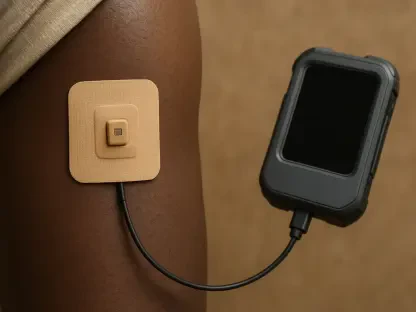
Many healthcare organizations have encountered a significant growth paradox as they attempt to scale their remote monitoring programs without a corresponding investment in administrative and clinical infrastructure. This misalignment often manifests as a friction point where the volume of incoming patient data far exceeds the capacity of the existing workforce to review and act upon it in a meaningful timeframe. Consequently, programs that were intended to alleviate the burden on hospitals have sometimes had the opposite effect, creating new layers of complexity for already overextended nursing staffs. To address this, forward-thinking institutions are reevaluating their internal readiness by conducting thorough audits of their clinical workflows before expanding their device footprint. The goal is to ensure that every piece of data captured by a glucose monitor or blood pressure cuff has a clear, predefined path to a clinician who can interpret its significance within the context of the patient’s broader medical history and current treatment plan.
The integration of remote data into electronic health records remains one of the most persistent hurdles for organizations seeking to achieve true operational efficiency in their patient management strategies. Without a seamless flow of information between monitoring platforms and the primary clinical record, providers are forced to navigate multiple interfaces, which increases the likelihood of errors and delays in care delivery. This fragmentation not only hampers the clinical utility of the data but also complicates the billing and documentation processes necessary for financial sustainability in a value-based care environment. By prioritizing interoperability, healthcare systems can reduce the manual entry of information and allow providers to view remote trends alongside diagnostic results and medication lists. This holistic view is essential for identifying early warning signs of health deterioration, enabling interventions that prevent emergency department visits and improve the overall efficiency of the care team while maintaining high standards of clinical documentation.
Leveraging AI to Manage Data and Reduce Burnout
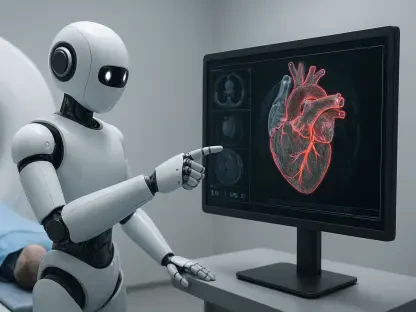
One of the most significant challenges in the widespread adoption of remote care is the phenomenon of alert fatigue, where clinicians are inundated with notifications that may not require immediate action. Traditional monitoring systems often rely on rigid, threshold-based alerts that trigger whenever a reading falls outside a standard range, regardless of the individual patient’s baseline or specific clinical context. To mitigate this issue, organizations are increasingly turning to advanced artificial intelligence algorithms that can distinguish between routine fluctuations and clinically significant trends. These AI models function as a sophisticated triage layer, analyzing vast quantities of biometric data in real time to identify patterns that suggest a genuine risk of an adverse event. By filtering out the noise of non-urgent data points, these systems ensure that medical staff can concentrate their efforts on the patients who are most in need of direct intervention, thereby preserving clinical resources and improving the quality of remote oversight.
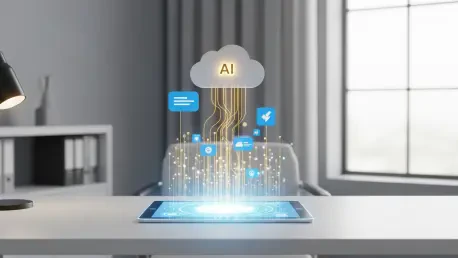
Beyond its role in clinical decision support, artificial intelligence is proving to be an invaluable asset in streamlining the non-clinical, back-office functions that often bog down remote monitoring programs. Automated systems are now capable of handling routine tasks such as patient enrollment, device troubleshooting, and monitoring adherence to the prescribed testing schedule without human intervention. These intelligent assistants can proactively reach out to patients who have missed a reading or whose device is reporting a technical error, providing troubleshooting guidance or reminders in a personalized manner. By automating these repetitive administrative duties, healthcare systems can effectively decouple the growth of their patient census from the need for a linear increase in staffing levels. This operational efficiency is crucial for the long-term viability of remote care, as it allows organizations to manage larger, more complex populations while maintaining a manageable workload for their human care coordinators and reducing the risk of administrative burnout.
Maintaining Personal Connections in a Digital Landscape
Despite the increasing reliance on automation and sophisticated algorithms, the core of effective chronic disease management remains the empathetic relationship between the patient and their care provider. Patients who deal with long-term conditions often face significant psychological and emotional hurdles, and the reassurance of a human voice can be more effective than any automated alert in driving behavioral change. Successful remote monitoring programs recognize this reality by using technology as a tool to enhance, rather than replace, the human element of care delivery. By leveraging data to identify the right moment for a personal touchpoint, clinicians can provide more targeted and meaningful support to their patients, fostering a sense of partnership and shared responsibility for health outcomes. This approach ensures that the digital tools serve as a bridge that brings the provider closer to the patient’s daily life, creating a more continuous and supportive care experience that extends far beyond the traditional walls of a clinic or hospital setting.
To strike the delicate balance between high-tech efficiency and high-touch care, many healthcare organizations are adopting exception-based workflows that prioritize human intervention based on specific clinical needs. In this model, patients whose data indicates stability and adherence to their treatment plans are monitored primarily through automated systems, while clinicians are alerted only when a patient’s metrics deviate from their established norms. This strategy allows care teams to maximize their impact by focusing their limited time and attention on the individuals who are experiencing health challenges or who may be struggling with their self-management routines. Moreover, these workflows empower patients by providing them with the tools and knowledge to manage their health more independently, knowing that a human expert is standing by to step in should their condition change. By refining these processes, healthcare systems can offer a personalized experience that respects the autonomy of the patient while providing a safety net of professional expertise when it is most needed.
Implementing Strategic Infrastructure for Sustainable Growth
Establishing a resilient foundation for remote patient monitoring required a fundamental shift in how healthcare leadership approached the intersection of clinical practice and digital innovation. Organizations that successfully navigated this transition focused on creating specialized teams dedicated to the operational oversight of remote programs, ensuring that technical issues did not impede clinical progress. They recognized that the integration of artificial intelligence was not a singular event but an ongoing process of refinement and validation that demanded constant collaboration between IT professionals and frontline clinicians. This collaborative approach ensured that the technology remained aligned with the practical needs of the medical staff while meeting the rigorous security and privacy standards required for modern healthcare. By investing in scalable infrastructure and standardized protocols, these systems were able to move beyond pilot programs and incorporate remote monitoring as a core component of their standard care delivery model, setting a new benchmark for quality and accessibility.
The successful integration of artificial intelligence and operational refinement fundamentally shifted the trajectory of remote monitoring from a technical experiment to a vital clinical necessity. It was demonstrated that the most effective programs were those that treated data as a strategic asset rather than an administrative burden, allowing for more precise and timely medical interventions. This evolution paved the way for a more resilient healthcare infrastructure that remained capable of supporting aging populations with complex, chronic needs. As the industry advances, organizations must prioritize the expansion of these digital frameworks to include a broader range of diagnostic tools and predictive analytics. Future initiatives should focus on the seamless exchange of data across all levels of care to ensure that remote insights are available to every member of the patient’s medical team. By building on the established operational foundations, healthcare providers can further enhance patient safety and operational efficiency, securing the long-term sustainability of remote care models in an increasingly digital and patient-centric world.