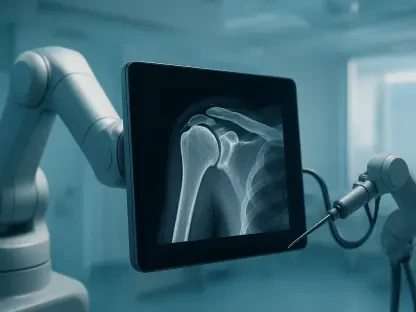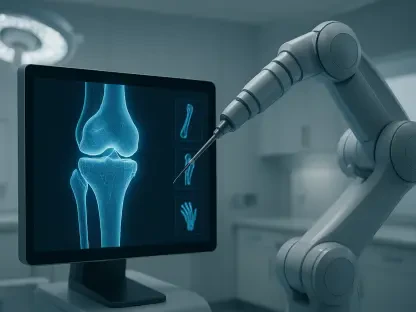

Automated early-warning systems frequently fail to provide actionable insights because they often trigger alerts well after human clinicians have already diagnosed and initiated care for the patient. This structural delay highlights a growing crisis within the American healthcare system, where the

While traditional laboratories currently handle nearly 45% of testing volume, the rapid decentralization of care is increasing the demand for near-patient testing solutions that provide real-time results. In the current landscape of clinical microbiology, this pressure has accelerated the adoption

A single medical device product family often necessitates over a hundred individual Instructions for Use when accounting for diverse global market and language requirements. This logistical burden has transformed from a mere paperwork exercise into a central pillar of regulatory strategy as the
To address chronic staffing shortages, Nova Scotia has doubled the class sizes for medical radiation technologist and sonography programs at Dalhousie University, with a double cohort expected to enter the workforce by 2026. This aggressive expansion of the educational pipeline marks a pivotal
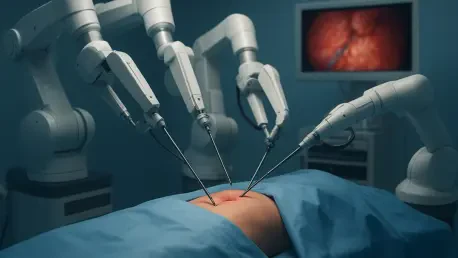
Surgeons utilize robotic arms to achieve a wider range of motion than the human wrist can provide, allowing for delicate maneuvers in tight anatomical spaces. This leap in technology has fundamentally altered the landscape of cancer treatment, moving away from the large incisions of the past. As of

Transforming the Patient Financial Experience Through Agentic AI The traditional headache of deciphering complex medical invoices is finally meeting its match as autonomous agents begin to overhaul the once-static landscape of healthcare revenue cycles. For most patients, the anxiety associated