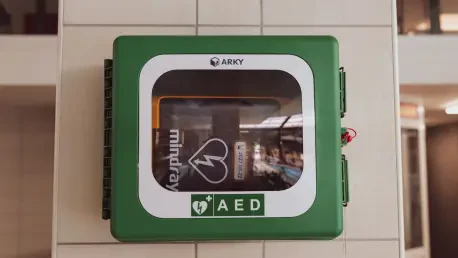

Funding from charitable contributions has allowed the Trust to modernize its approach to public health by decentralizing critical life-saving infrastructure. By relocating two Automated External Defibrillators from restricted internal rooms to high-visibility external cabinets, the Countess of Chester Hospital NHS Foundation Trust is directly addressing the temporal barriers that often dictate the outcome of cardiac emergencies. Previously, these essential tools were housed within the Education and Training Centre and Moston Lodge, rendering them inaccessible during late-night hours or weekends when hospital administrative wings are typically closed. This strategic transition ensures that the approximately 445,000 residents across West Cheshire, as well as visitors to the nearby public parks and parking facilities, have an immediate defense against sudden cardiac arrest. The initiative represents a shift toward a more proactive model of community healthcare where hospital resources extend beyond the clinical floor.
Maximizing Survival Through Rapid Intervention
The Science of the Platinum Minutes
The medical justification for this deployment is rooted in the narrow window of opportunity available during a cardiac event, where every sixty seconds without intervention reduces the chance of survival by approximately ten percent. Medical experts emphasize that the most effective way to combat these statistics is through the immediate application of a defibrillator, ideally within the first three to five minutes following a collapse. By placing these units in the community, the hospital is facilitating a decentralized response that bypasses the inevitable delays associated with ambulance travel times. This approach acknowledges that the first person on the scene of an emergency is rarely a trained medical professional but rather a passerby or a family member. Providing these individuals with the tools to stabilize a patient during those critical moments is a fundamental shift in how public spaces are managed to support life and ensure safety for all visitors.
Seamless Integration With Emergency Dispatch
The operational success of these external units is largely dependent on their integration with the North West Ambulance Service’s digital infrastructure. Although the cabinets are secured to prevent tampering or theft, they are linked to the regional 999 emergency dispatch system. When a bystander reports a suspected cardiac arrest, the dispatcher immediately identifies the precise location of the nearest external AED and provides a digital access code to the caller. This connectivity ensures that there is no confusion or delay in locating the equipment during a high-stress situation. Once the cabinet is opened, the defibrillator itself takes over the instructional role, utilizing clear and calm voice prompts to guide the user through the placement of pads and the delivery of a shock. This “smart” infrastructure removes the psychological barrier of fear that often prevents laypeople from intervening, as the machine manages the clinical decision-making during the crisis.
Sustainable Infrastructure and Community Welfare
Engineering Resilience Against Environmental Factors
Protecting sensitive medical equipment in the unpredictable climate of the United Kingdom required the implementation of high-specification, weather-proof enclosures. These cabinets are engineered to maintain a stable internal temperature, ensuring that the lithium batteries and adhesive electrode pads remain within their operational parameters regardless of external conditions. The robust construction of these units also serves as a deterrent against vandalism, which has historically been a concern for public-access medical tools. By investing in high-durability housing, the Trust has ensured that these life-saving resources will remain functional for years without requiring constant maintenance or repair. This physical resilience is a key component of the project’s sustainability, allowing the hospital to focus on expanding the network rather than simply maintaining existing points. The choice of locations near high-traffic entrances was informed by detailed data on where emergencies occur.
Strategic Evolution of Public Health Infrastructure
The implementation of these public-access defibrillators established a vital precedent for how healthcare trusts utilized external infrastructure to safeguard the community. Moving forward, the focus shifted toward a comprehensive regional expansion of this network, with an emphasis on identifying further high-density areas that lacked immediate emergency coverage. Decision-makers advised that other healthcare facilities should conduct similar audits of their internal medical assets to determine which tools could be safely moved to public-facing locations. Additionally, the development of community-led training programs became a priority to ensure that the population felt confident using the integrated technology. Future considerations included the integration of real-time monitoring systems that could alert hospital staff the moment a cabinet was opened, allowing for even faster secondary medical support. By prioritizing these actionable steps, the Trust ensured that hardware translated into measurable improvement.