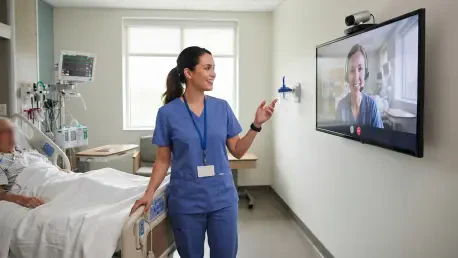

Hunterdon Medical Center has officially launched a initiative that uses secure telehealth platforms to streamline the logistical aspects of inpatient admissions. This shift occurred as the demand for nursing attention increasingly clashed with the administrative realities of modern documentation and discharge paperwork. By integrating this program, the facility in Raritan Township aimed to alleviate the pressure on staff who had to balance bedside duties with complex data entry. The introduction of this remote support layer served as a strategic response to evolving patient needs, ensuring that while the physical nurse focused on medical interventions, a virtual counterpart managed the flow of information. This dual-track approach optimized the workflow and addressed systemic burnout issues. As hospitals navigated these staffing complexities, the model provided a viable blueprint for maintaining care quality while acknowledging the logistical constraints of a modern medical environment.
Implementing Advanced Telehealth Infrastructure
The mechanical heart of this initiative rested in the deployment of hospital room televisions and mobile video carts that facilitate high-definition, real-time communication. To ensure that patient dignity remained a priority, the program incorporated a strict protocol where virtual nurses provide an audible signal, described as a digital knock, before requesting explicit permission to activate the two-way video stream. This design choice addressed common concerns regarding the intrusive nature of cameras in private medical settings. Unlike many emerging technologies that rely on automated scripts, these interactions were conducted entirely by established hospital employees rather than artificial intelligence, preserving the essential human element of healthcare. The system was engineered to be entirely non-intrusive, with sessions ending immediately upon the conclusion of the consultation and no data being recorded to protect patient confidentiality. Such measures reflected a sophisticated understanding of medical ethics.
Beyond the hardware, the program’s operational success hinged on its ability to redistribute the heavy cognitive load often placed on bedside practitioners. By delegating time-consuming tasks such as clinical education, the verification of medication histories, and the coordination of discharge plans to the virtual team, the hospital allowed on-site nurses to reclaim their focus on physical assessments and emergency responses. This shift was particularly vital for maintaining a high standard of patient-centered care during peak hours when the floor was most active. The remote nurses functioned as a seamless extension of the traditional care team, providing a secondary set of eyes and ears that could process information without the physical distractions of a busy ward. This efficiency gain was expected to shorten the time it takes for a patient to be admitted and settled, which directly impacted the overall throughput of the facility and helped to reduce wait times in the emergency department.
Strategic Funding and Community Engagement
Financing for this ambitious technological leap was secured through a Rural Health Transformation Grant amounting to over $1,088,000, provided by the New Jersey Department of Health. These funds, which originated from federal sources including the Centers for Medicare and Medicaid Services, allowed for the procurement of equipment and the training of remote staff. The initial implementation phase began on the 5 South inpatient unit, chosen for its diverse patient demographic and complex case mix. Leadership at the center planned to monitor the success of this pilot program throughout 2026 before rolling out mobile carts to other critical departments, including the emergency room and maternity wards. This phased expansion strategy ensured that any technical challenges were addressed in a controlled environment before the system became the standard of care organizations. Such financial backing underscored the state’s commitment to modernizing rural healthcare infrastructure.
In summary, the virtual nursing initiative successfully synthesized advanced telecommunication technology with traditional clinical workflows. The program effectively demonstrated that delegating administrative tasks to a remote professional significantly improved bedside efficiency without compromising the personal connection between staff and patients. For healthcare administrators looking to implement similar systems from 2026 to 2028, the primary takeaway was the importance of human-led care and the necessity of strict privacy protocols to maintain public trust. Hospitals needed to prioritize obtaining specific grants and conducting phased rollouts to ensure staff buy-in and technical stability. Moving forward, the focus remained on integrating these virtual tools into emergency medicine and specialized departments to create a unified care continuum. Organizations that invested in these hybrid models early found that the investment paid dividends in staff retention and patient satisfaction metrics throughout the clinical system.