
For many older adults, the transition into a deep sleep triggers a hazardous sequence of gasping and silent suffocation that remains completely invisible to the waking world. Eight out of ten seniors suffering from obstructive sleep apnea are currently unaware they have the condition, effectively

The modern healthcare environment is defined by the urgent need to transform vast quantities of raw patient data into consistent and actionable medical intelligence. As clinical analytics platforms move from being peripheral experimental tools to the central nervous system of medical institutions,

A veteran walking into the Dayton VA Medical Center today expects more than just high-quality medical treatment; they anticipate a seamless digital experience that connects their military history with their current health needs. The integration of the new Electronic Health Record system represents

The landscape of neurological healthcare is undergoing a radical transformation as the focus shifts from managing terminal decline to identifying silent biological changes before they manifest as cognitive impairment. For decades, a diagnosis of Alzheimer’s disease was a reactive event, occurring

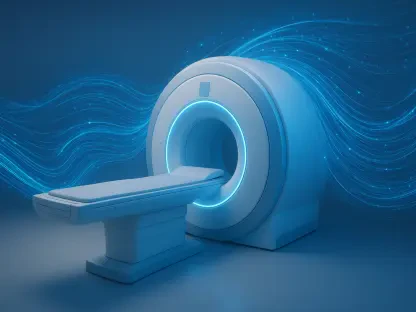
The rapid consolidation of the diagnostic imaging sector has reached a fever pitch as independent practices struggle to maintain clinical autonomy while facing the astronomical costs of next-generation medical technology and shifting insurance mandates. Private equity firms have stepped into this

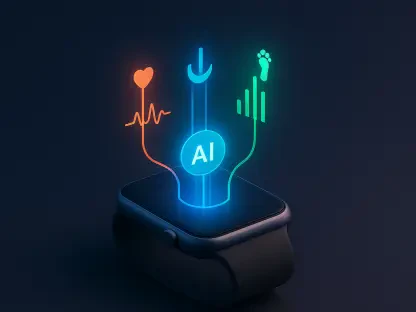
The relentless barrage of digital notifications and the persistent glow of wrist-mounted displays have finally pushed a significant segment of health-conscious consumers toward a more subdued, intentional form of wearable technology. While high-resolution OLED screens were once the gold standard