
The modern pharmaceutical sector is currently undergoing a massive transformation as healthcare providers struggle to balance rising prescription volumes with the increasing need for personalized patient counseling and specialized clinical oversight. This evolution centers on the deployment of sophisticated artificial intelligence designed to alleviate the crushing administrative weight that has traditionally plagued pharmacists and technicians. By utilizing machine learning algorithms, these systems can now analyze vast datasets in real time, identifying potential drug interactions and therapeutic gaps that might otherwise go unnoticed in a high-speed clinical setting. This shift is not merely about speed but about precision and the redistribution of human expertise toward direct patient care. As pharmacies transition away from manual processing, the focus moves toward holistic health management where technology serves as a silent partner. The ultimate goal is to create a more resilient healthcare infrastructure that prioritizes patient safety while significantly reducing the operational friction inherent in traditional pharmacy models.
Integrating Intelligence into Clinical Decision Support
Advanced Risk Assessment: Minimizing Medication Errors
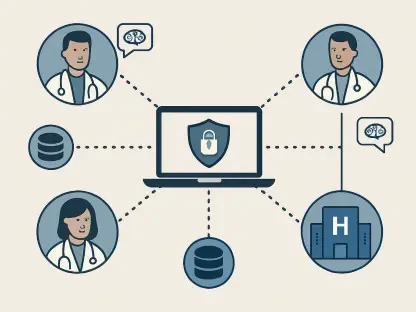
Central to this technological integration is the implementation of advanced risk assessment tools that proactively monitor patient profiles for contradictions and non-compliance patterns. These AI-driven modules interface with comprehensive medical databases to cross-reference new prescriptions against a patient’s historical health data, genetic markers, and concurrent medications. Unlike legacy software that relied on rigid, rule-based alerts, these contemporary systems utilize nuanced probabilistic models to flag only the most clinically significant issues, thereby reducing “alert fatigue” among medical staff. This precision allows for a more focused intervention strategy, where pharmacists are notified of high-priority risks that require immediate professional judgment. Consequently, the rate of adverse drug events has seen a measurable decline, as the software provides a robust safety net that operates continuously behind the scenes. This level of oversight ensures that every prescription dispensed is not only accurate according to the order but also safe within the unique physiological context of the individual patient receiving the care.
Predictive Logistics: Ensuring Seamless Supply Chains
Beyond the clinical aspects, intelligent systems are revolutionizing the logistical framework of pharmacy operations by automating inventory management and supply chain forecasting. By analyzing historical dispensing trends and regional health cycles, the technology can predict surges in demand for specific medications, such as seasonal flu treatments or maintenance drugs for chronic conditions. This predictive capability ensures that pharmacies maintain optimal stock levels, preventing the frustration of backorders while minimizing the financial waste associated with overstocking expiring products. Furthermore, the automation extends to the complex world of insurance prior authorizations, where AI agents can now communicate with payers to secure approvals in seconds rather than days. This reduction in administrative delays means that patients receive their life-sustaining medications much faster, closing the gap between diagnosis and treatment. The streamlining of these back-office functions allows the entire pharmacy team to operate with greater agility, ensuring that resources are always aligned with the immediate needs of the patient population served.
Transforming the Patient Experience through Direct Engagement
Behavioral Insights: Promoting Long-Term Therapeutic Adherence
Addressing the chronic challenge of medication adherence has become a primary focus for AI-enhanced platforms, which now leverage behavioral science to improve health outcomes. These systems analyze patient engagement patterns and self-reporting data to identify individuals who are at high risk of discontinuing their therapy. Once a risk is detected, the AI can trigger personalized interventions, such as targeted educational content or automated reminders delivered through a patient’s preferred communication channel. These interactions are designed to be conversational and empathetic, helping to demystify complex instructions and answer common questions about side effects. By maintaining a continuous loop of communication, the technology fosters a stronger sense of connection between the patient and their care team, even between scheduled office visits. This proactive engagement strategy has proven effective in shifting patients from passive recipients of care to active participants in their own health journeys. As a result, long-term therapeutic success rates have improved, demonstrating that data-driven empathy can be as vital as the medication itself in achieving clinical goals.
Future Considerations: Building Resilient Pharmacy Models
The integration of these intelligent systems represented a fundamental shift in how pharmacies operated and interacted with the broader healthcare ecosystem throughout the year. Stakeholders who prioritized the adoption of AI-driven clinical decision support realized significant improvements in both operational efficiency and patient safety metrics. It was clear that the successful transition depended on a commitment to data integrity and a willingness to redesign workflows around the capabilities of the new technology. Moving forward, providers were encouraged to focus on deep-level integration with multi-disciplinary health teams to ensure that the insights generated by AI were shared across the entire continuum of care. Investing in staff training specifically for the management of AI-augmented systems was identified as a critical next step for those looking to maximize the return on technological investments. By treating AI as an essential component of the pharmacy infrastructure rather than a peripheral tool, organizations demonstrated that they could achieve a level of care that was previously considered unattainable. The focus then turned toward scaling these solutions to ensure equitable access to high-quality pharmacy services.