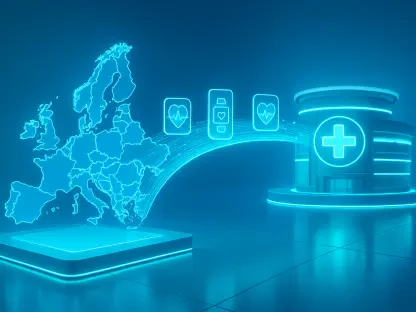

The transition from a system that reacts to illness to one that anticipates medical needs before they manifest has become the defining characteristic of medical practice across the global health landscape today. Traditionally, medical intervention only began after the onset of symptoms, often resulting in complex and expensive treatments for conditions that might have been manageable if caught earlier. The convergence of artificial intelligence, genomic data, and sophisticated digital platforms is fundamentally changing that dynamic by shifting the focus toward a proactive, predictive ecosystem. By leveraging real-time analytics and population health data, healthcare providers can now identify specific disease risks before they become acute conditions. This marks the beginning of the era of prediction, where the primary objective is to anticipate patient needs and optimize medical resources rather than simply responding to illness after it has already caused significant harm to the individual.
Leading the Change Through Integrated Systems
Strategic Leadership: Architecting Unified Care Models
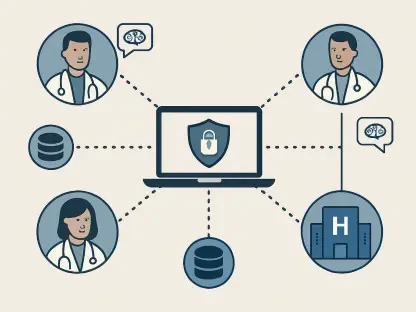
Modern healthcare leadership has evolved significantly beyond simple administration to become the architect of deeply integrated clinical systems. Today’s leaders are tasked with the critical objective of breaking down the rigid silos that once separated pharmaceutical research, diagnostic services, and bedside clinical care. By viewing artificial intelligence as a core capability rather than just a standalone tool, administrative teams are creating a unified landscape where data-driven insights dictate personalized therapy choices. This strategic mindset prioritizes a continuous journey for the patient, ensuring that every technological advancement is deployed with specific clinical intent. This approach moves away from fragmented services toward a model where every interaction is informed by the patient’s entire history and risk profile, allowing for a level of coordination that was previously impossible to achieve in legacy healthcare frameworks.
Resource Optimization: The Transition to Proactive Operations
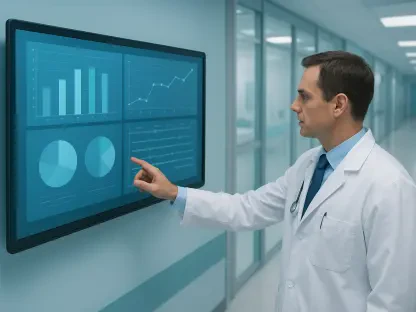
The implementation of automated workflows and predictive algorithms allows these organizations to move resources dynamically based on projected needs rather than historical averages. Instead of waiting for a surge in emergency department admissions, systems can now forecast patient volume and acuity levels with remarkable precision, enabling better staffing and equipment allocation. This proactive stance also extends to chronic disease management, where integrated data streams from primary care and specialist centers are analyzed to find patterns of physiological deterioration before a crisis occurs. By fostering a culture of interoperability and shared data responsibility, leadership ensures that the clinical environment is not just reactive but is actively shaped to prevent complications. This transition requires a fundamental shift in institutional culture, where the success of a healthcare organization is measured by its ability to keep patients healthy rather than the volume of procedures performed.
Transforming Labs and Drug Development
Diagnostic Centers: The Shift Into Intelligence Hubs
Diagnostic laboratories are being reimagined as central intelligence hubs rather than passive testing facilities that simply report numerical results to medical staff. Through the widespread integration of artificial intelligence and advanced data analytics, these laboratories now provide actionable clinical intelligence by interpreting raw biological data through the lens of population health trends. This shift allows physicians to make faster, more precise decisions right from the initial screening process, as the laboratory results are now accompanied by predictive risk assessments. Instead of merely generating static reports, the modern lab acts as an active participant in the diagnostic process, utilizing genomic insights to guide the entire course of a patient’s treatment plan. This evolution ensures that diagnostic data is not just a point-in-time measurement but a continuous stream of information that helps refine the therapeutic approach as the patient’s biological markers change.
Pharmaceutical Innovation: Accelerating Therapy Discovery
In the pharmaceutical sector, artificial intelligence is drastically compressing the timelines for drug development while simultaneously enhancing the relevance of new therapies for niche populations. AI-driven molecule discovery and the use of digital twins for simulating drug interactions allow researchers to narrow down potential candidates in a fraction of the time required by traditional methods. These technologies enable the synthesis of real-world evidence quickly, ensuring that medications are effective for diverse patient populations rather than just the idealized cohorts of past clinical trials. This move away from linear development pipelines toward an agile, data-informed approach ensures that breakthrough innovations are not only discovered faster but are also more easily integrated into the broader delivery system. The result is a pharmaceutical landscape that is more responsive to patient needs, delivering targeted treatments that address the underlying causes of disease.
Decentralizing Care and Navigating Ethics
Remote Monitoring: Bridging the Gap Between Clinic and Home
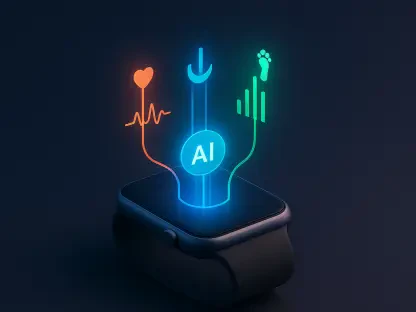
Technology is successfully moving healthcare beyond the physical walls of the hospital through the use of sophisticated wearable devices and integrated remote monitoring networks. This decentralization transforms the patient from a passive recipient of care into an active participant in their own health management, fostering a sense of agency and engagement. Providers are now focusing on longitudinal care, which involves managing a person’s health continuously over time rather than just during acute medical crises. This requires a seamless flow of data between the patient’s home and the clinical environment, placing a high premium on user-friendly digital interfaces and robust cybersecurity measures. By monitoring vital signs and lifestyle factors in real-time, healthcare teams can intervene at the first sign of trouble, often avoiding the need for emergency intervention or hospitalization, thus improving the overall quality of life.
Ethical Responsibility: Maintaining Trust in Algorithmic Medicine
As artificial intelligence became deeply embedded in clinical workflows, maintaining the human element of care remained a top priority for the industry. Healthcare professionals focused on ensuring that technology enhanced rather than replaced clinical judgment, while also addressing critical concerns like data privacy and algorithmic transparency. Maintaining patient trust required a rigorous framework of accountability, where leaders balanced the power of predictive analytics with a steadfast commitment to ethical oversight. Moving forward, the industry must prioritize the democratization of these technologies to ensure that the benefits of predictive medicine reach underserved communities. Organizations should invest in training for medical staff to work effectively alongside AI, fostering a collaborative environment where technology and empathy coexist. By standardizing data protocols and expanding access to genomic screening, the healthcare sector solidified its transition into a proactive system.