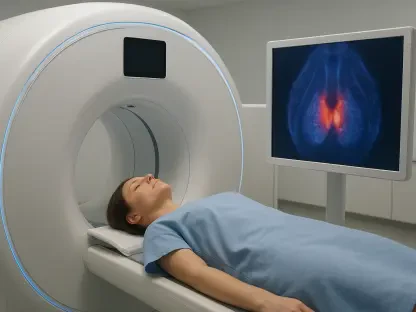
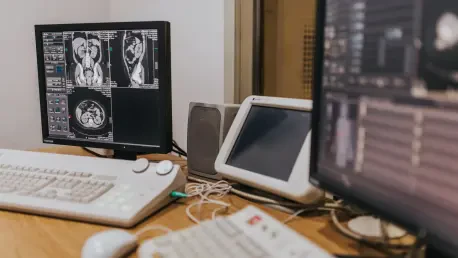
Urologists are increasingly looking toward theranostics to resolve the clinical dilemma of equivocal MRI findings that currently lead to a high volume of redundant tissue samplings. This shift reflects a broader commitment to precision medicine, where the objective is to replace invasive,
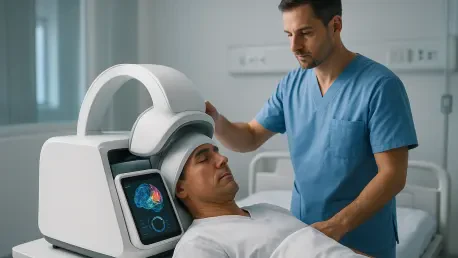
Medical professionals currently face the challenge of transporting unstable stroke patients to radiology suites, a hurdle that portable electromagnetic imaging is designed to solve. EMvision Medical Devices has emerged as a leader in this transition, moving neurological diagnostics from heavy,

Understanding the Scope of the McKesson Cybersecurity Incident When one of the world’s largest pharmaceutical distributors admits to a system compromise, the ripple effects extend far beyond a single corporate server into the very heart of global healthcare infrastructure. McKesson has officially

Healthcare organizations are increasingly adopting AI-powered tools to manage the end-to-end lifecycle of a referral from ingestion to final encounter. The manual processing of patient referrals has long been a notorious bottleneck within the American medical system, often resulting in delayed care
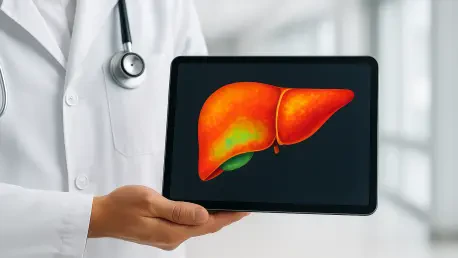
Traditional liver biopsies often fail to capture the full picture of organ health, leading to sampling errors that can result in the unnecessary discard of viable donor livers. This invasive procedure provides only a microscopic glimpse into a large and complex organ, often missing localized

Institutional investors are shifting their focus from automotive assembly lines to medical operating rooms as precision engineering begins to redefine clinical standards of care. While the foundation of the robotics sector was built upon the heavy machinery used in vehicle manufacturing, the