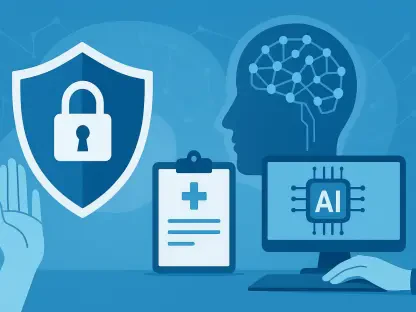

A direct correlation exists between ransomware attacks and patient outcomes, with research showing a thirty-eight percent increase in in-hospital mortality rates. This statistic underscores that cybersecurity in the medical field is no longer just a technical problem for the IT department but a critical component of patient safety. Modern hospitals are increasingly reliant on networked devices, from infusion pumps to electronic health record systems, creating an expanded attack surface that malicious actors exploit with growing frequency. When these systems go dark, clinicians lose access to life-saving data, and surgical procedures are often diverted, creating a bottleneck that costs lives. As the healthcare sector moves through 2026 and toward 2028, the focus has shifted from purely perimeter-based defenses to fortifying the human element. Doctors and nurses are now recognized as a vital layer of defense against sophisticated phishing and social engineering tactics that bypass even the most advanced firewalls. These individuals act as the final barrier when technical controls fail.
The Human Element of Clinical Cybersecurity
Empowering Clinicians as Active Defenders
Traditional security models often treated medical professionals as passive users or, worse, as the weakest link in the security chain. However, recent initiatives demonstrate that when clinicians are properly educated about the mechanics of digital threats, they become a highly effective early-warning system for the organization. By understanding how a compromised login can lead to a facility-wide lockout, staff members are more likely to adhere to rigorous authentication protocols without viewing them as burdensome obstacles to patient care. This cultural shift requires moving beyond annual compliance videos toward hands-on training that mimics real-world scenarios relevant to the clinical environment. For example, simulating a phishing email that appears to come from a laboratory or a referral service provides immediate, contextual learning. When employees recognize these anomalies in real-time, the window for an attacker to establish a foothold is narrowed, protecting the network and ensuring data remains available for urgent medical decisions.
Fostering a Culture of Digital Vigilance
Beyond basic awareness, hospitals are implementing cyber-hygiene champions within specific departments to bridge the gap between technical security teams and bedside providers. These champions assist colleagues in navigating complex security requirements while ensuring that patient privacy remains uncompromised during high-stress emergency situations. The integration of advanced behavioral analytics allows IT teams to monitor for unusual patterns, but it is the intuitive observation of the staff that often identifies the first signs of a system anomaly. For instance, a nurse noticing a slight lag in a monitoring station or an unexpected reboot of a workstation can report these issues before an automated system flags them. This proactive reporting culture is fostered by a non-punitive environment where mistakes are used as learning opportunities rather than grounds for disciplinary action. As medical technology becomes more interconnected through 2027, this shared responsibility ensures that vigilance remains a critical safeguard.
Strengthening Institutional Resilience Through Education
Integrating Digital Safety Into Daily Workflows
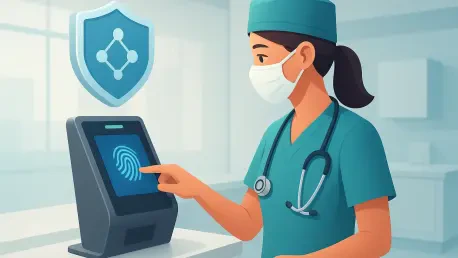
Effective cybersecurity education must be seamlessly woven into the existing clinical workflow rather than existing as a separate, detached requirement. In 2026, medical centers are adopting micro-learning modules that provide brief, high-impact security tips during natural breaks in the shift, such as during handover or team huddles. This approach ensures that digital safety remains at the forefront of the provider’s mind without contributing to cognitive load or burnout. By framing cybersecurity as a patient safety issue rather than an IT compliance task, healthcare organizations have seen a marked improvement in password management and the physical security of unattended terminals. Furthermore, the use of biometric authentication and single sign-on solutions has simplified the user experience, reducing the temptation for staff to use insecure shortcuts like sharing credentials. When technology supports the natural flow of medical work, security compliance becomes a secondary benefit of a well-designed system.
Building Long-Term Digital Resilience
The transition toward a human-centric security posture proved to be one of the most effective strategies for mitigating the impact of large-scale ransomware campaigns. Institutions that prioritized comprehensive training and clear communication channels successfully reduced their incident response times and minimized the duration of system outages. Leaders across the industry recognized that investing in the digital literacy of their workforce was just as important as investing in the latest firewall or encryption software. Moving forward, the adoption of collaborative platforms between different healthcare providers allowed for the rapid sharing of threat intelligence, further strengthening the collective defense. Boards of directors and executive committees began to allocate specific budgets for ongoing staff development in digital resilience, ensuring that the frontline defense remained sharp against evolving threats. This holistic approach ensured that even when technical barriers were breached, the informed actions of the staff prevented failures in care.