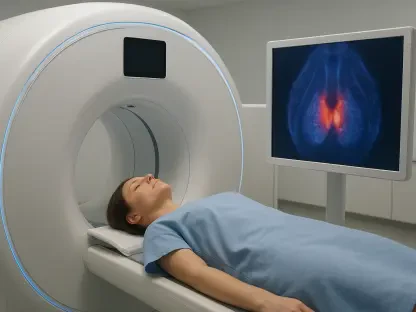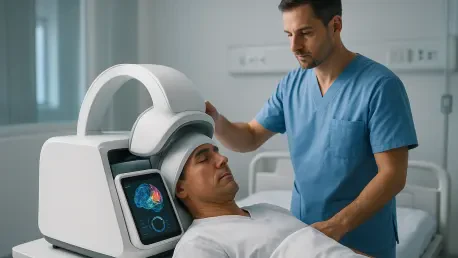

Medical professionals currently face the challenge of transporting unstable stroke patients to radiology suites, a hurdle that portable electromagnetic imaging is designed to solve. EMvision Medical Devices has emerged as a leader in this transition, moving neurological diagnostics from heavy, stationary infrastructure to the patient’s bedside. Based in Australia, the company’s flagship “emu” device utilizes sophisticated electromagnetic imaging technology to provide a high-quality, cost-effective alternative to traditional CT or MRI scanners. By integrating this hardware directly into emergency departments and intensive care units, medical teams can bypass the logistical bottlenecks that often delay critical intervention. The underlying philosophy driving this innovation is that “time is brain,” a medical reality where every minute of delay results in the loss of millions of neurons. This shift toward point-of-care imaging represents a fundamental change in how hospitals manage acute neurological events today.
Navigating the Regulatory Landscape: Clinical Validation and Progress
The successful integration of this technology into the standard medical toolkit depends heavily on the results of ongoing clinical trials. Currently, EMvision is navigating the rigorous U.S. Food and Drug Administration’s De Novo regulatory pathway, a process specifically designed for novel medical devices that do not have a prior predicate. To meet these high standards, the company has expanded its pivotal trial enrollment across several high-volume clinical sites, gathering a diverse data set that reflects real-world patient populations. These trials are structured to provide statistically significant evidence regarding the scanner’s efficacy in detecting acute brain injuries. Early data from these multi-site studies have already highlighted a consistent safety profile, which has bolstered confidence among clinical investigators. Establishing this baseline of safety and reliability is the first major hurdle in securing the trust of the broader global medical community.
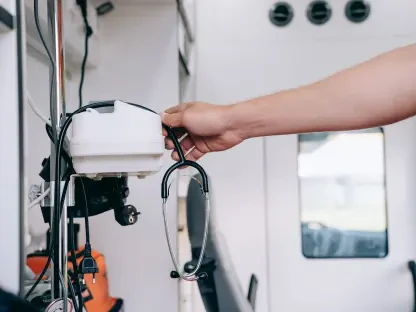
Beyond the hospital walls, the company is making significant strides with its “First Responder” program, which represents the next logical step in decentralized care. This initiative centers on a miniaturized, ultra-portable version of the original scanner, specifically engineered to fit within the cramped environments of ambulances and air-rescue vehicles. This technological leap allows paramedics to capture essential brain images while the patient is still in transit, effectively turning the ambulance into a mobile diagnostic suite. By utilizing existing telecommunication networks, these images can be transmitted in real-time to on-call neurologists at the receiving stroke center. This early look at the patient’s condition allows the hospital team to prepare the surgical or medical intervention well before the ambulance arrives, shaving off precious minutes that are often lost during the initial intake and stabilization process.
Strategic Growth: Financial Stability and Future Market Entry
As a pre-revenue entity in the highly competitive medical technology sector, the company maintains a strategic balance between aggressive research and fiscal discipline. Financial stability is supported by a healthy cash reserve and the backing of key strategic stakeholders, most notably Keysight Technologies. This partnership provides more than just capital; it offers access to specialized expertise in high-frequency measurement and precision hardware, which is vital for the continued improvement of the imaging platform. Furthermore, strategic government grants have provided a reliable financial runway, allowing the development team to focus on hitting technical milestones without the immediate pressure of commercial sales. This robust funding structure is essential for navigating the high costs associated with global clinical trials and the subsequent scaling of manufacturing processes required to meet the anticipated demand from international healthcare systems.
The journey toward transforming neurological care reached a pivotal stage as the focus shifted from technical validation to global market readiness. Strategic leaders recognized that the path to success required not just a functional device, but the seamless integration of that device into existing hospital workflows. This involved establishing clear insurance reimbursement pathways and convincing conservative medical boards of the long-term value of portable electromagnetic imaging. Looking forward, the completion of the pivotal trial cohorts and the formal filing of the FDA De Novo application served as the primary catalysts for future growth. Investors closely monitored these developments, understanding that the First Responder program held the key to expanding the total addressable market. Ultimately, the objective remained the establishment of a new global standard where brain imaging was no longer a destination but a mobile service that met patients at the most critical moment of their life.