
Lumen VR provides a brief four-minute mindfulness experience designed specifically to fit into rigid school schedules that cannot accommodate traditional hour-long therapy sessions. This innovation arrives at a critical juncture where the youth mental health landscape faces a dual crisis: a staggering rise in psychological distress among adolescents coupled with a profound shortage of qualified clinical professionals. While evidence-based treatments have existed for decades, the delivery mechanisms have largely remained stagnant, relying on a traditional talk therapy model that often fails to resonate with the modern, digitally native generation. Clinician-scientist Nicholas Thomson and his team at Arche XR are attempting to bridge this expanding divide by deploying virtual reality as a primary medium for clinical interventions. By transforming psychological support into an immersive digital environment, the goal is to provide accessible, high-quality care that meets students where they already are, both physically and technologically, within the high-pressure environment of the contemporary education system.
Bridging the Gap: Science and Delivery
Addressing the Engagement Barrier: Clinical Needs
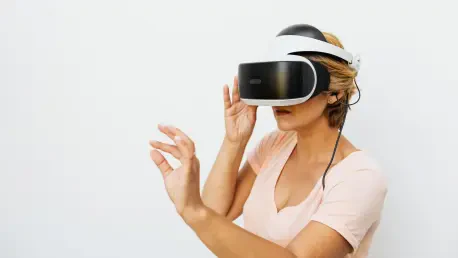
The primary hurdle in modern adolescent mental health care is not necessarily a lack of scientific protocols, but rather the significant difficulty of securing consistent participation from young people. Many teenagers find traditional clinical settings to be either intimidating or fundamentally unengaging, which contributes to high dropout rates in school-based counseling programs. Virtual reality headsets offer a transformative solution by converting a clinical obligation into an active, immersive experience that students actually want to join. This technology leverages the natural affinity that today’s youth have for digital interfaces, turning a session into a journey rather than a lecture. By removing the external distractions of a classroom or a sterile office, the VR environment allows students to focus entirely on the therapeutic task at hand. This sense of presence within a virtual space helps to lower psychological defenses, making the therapeutic process feel less like an interrogation and more like an exploration of one’s own mental state.
Utilizing Targeted DatHigh Acceptance Rates
Beyond individual engagement, the transition to digital delivery platforms effectively addresses the logistical hurdles that have long plagued public health initiatives, such as high startup costs and the geographical scarcity of trained clinicians. Internal data from Arche XR indicates an overwhelming 98 percent desire among surveyed youth for these types of technology-based interventions within their schools. This high level of acceptance suggests that immersive technology can serve as a powerful conversational catalyst for professionals. Even the most withdrawn or non-verbal children often show a marked increase in openness after spending just a few minutes in a specialized virtual environment. The technology acts as a social lubricant, providing a shared digital context that makes the subsequent person-to-person interaction feel safer and more productive. As a result, the limited time that school counselors do have with their students becomes significantly more impactful, allowing for deeper clinical breakthroughs.
Innovative Program Design: Youth Collaboration
Creating Science-First Tools: The Classroom Model
The software suite, including the Lumen VR module, is meticulously engineered to accommodate the practical realities and time constraints of a standard school day. Recognizing that educators and administrators cannot spare large blocks of academic time for wellness activities, the developers focused on creating brief, high-impact sessions. Using gamified motifs, such as a spaceship navigation theme, the program teaches fundamental emotional regulation and mindfulness skills in just under five minutes. This science-first philosophy ensures that the interventions remain grounded in established psychological principles even while they adopt the aesthetics of modern entertainment. By distilling complex cognitive behavioral techniques into short, digestible digital experiences, the platform allows for frequent, low-friction use throughout the week. This micro-intervention strategy is designed to build cumulative resilience, helping students manage stress in real-time rather than waiting for a crisis to occur before seeking help.
Leveraging the Power: Lived Experience
A critical component of the platform’s success is the direct involvement of a youth advisory board that critiques and shapes every virtual scenario before it is released to schools. This peer-level vetting process prevents the software from feeling like a collection of adults pretending to understand kids, which is a common pitfall in educational technology. By incorporating the lived experiences of actual teenagers, the developers ensure that the language, visual aesthetics, and social dynamics presented in the VR environment are authentic and relatable. This collaborative approach fosters a sense of ownership among the target demographic, as students recognize that the tool was built with their specific concerns in mind. Whether it is adjusting the tone of a dialogue or refining the visual representation of a stressful social situation, the advisory board’s input ensures the content remains relevant. This authenticity is the foundation of trust, which is necessary for any therapeutic intervention to be effective and sustainable.
A Scalable Model: Public Health Infrastructure
Prioritizing Safety: Affordability in Schools
To ensure the widespread adoption of these tools across diverse socioeconomic backgrounds, the business model prioritized low-cost subscriptions and hardware provided at near-zero profit. This strategy removed the financial barriers that often prevent underfunded school districts from accessing cutting-edge health technology. Furthermore, the headsets were designed to function entirely offline, which effectively eliminated concerns regarding student data privacy and cybersecurity in sensitive environments. This offline capability allowed the technology to be deployed in highly secure settings, including youth detention centers and psychiatric hospitals, where internet access is strictly controlled. By locking the hardware to specific therapeutic content, the company provided educators with a walled garden environment that prevented students from accessing distracting or harmful external media. This emphasis on safety and affordability transformed the platform into a viable piece of public health infrastructure for modern schools.
Expanding Impact: Global Research and Integration
The global expansion of Arche XR was characterized by a reliance on federal research grants rather than speculative venture capital, which ensured a stable and evidence-based growth trajectory. This conservative approach allowed the platform to integrate into major health systems, such as the United Kingdom’s National Health Service, reaching over 10,000 users globally. Moving forward, the industry must prioritize the creation of secure digital environments that operate entirely offline to protect sensitive student data. To maximize the effectiveness of these immersive tools, school districts should integrate VR-based emotional regulation into the core curriculum rather than treating it as an extracurricular luxury. Policymakers have recognized that the synthesis of clinical science and accessible technology represents a fundamental shift in public health. This transition provided a scalable solution that empowered young people to lead their own recovery processes through controlled, safe, and engaging digital settings.