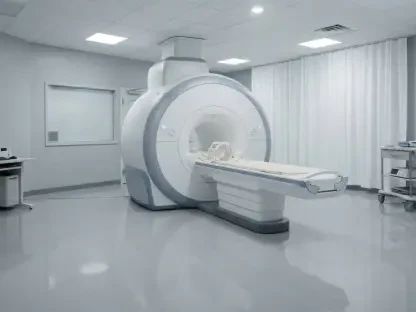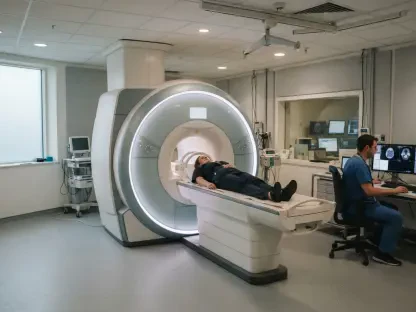
Integrating AI technology into the existing teleradiology workflow allows Krsnaa to maximize the utilization of its capital assets without increasing fixed costs. This strategic partnership with Azmed reflects a broader movement within the healthcare sector to stabilize diagnostic accuracy while
While perfusion measures help predict the recurrence of strokes within 90 days, their current predictive power remains moderate with an AUC of 0.70. Recent clinical research has pivoted toward a multi-modal approach to overcome these limitations, utilizing a retrospective analysis of 353 patients
The deployment of programmatically matched clinical documentation against medical necessity guidelines at the point of care effectively eliminates traditional administrative delays for providers. For decades, the healthcare industry has struggled with the burdensome reality of manual oversight,
A study of 10,000 hospital records revealed that diagnostic accuracy often collapses when medical AI is exposed to the unique image characteristics of the ORIZURU robotic platform. This phenomenon, frequently described as domain shift, occurs when an algorithm trained in a specific, controlled
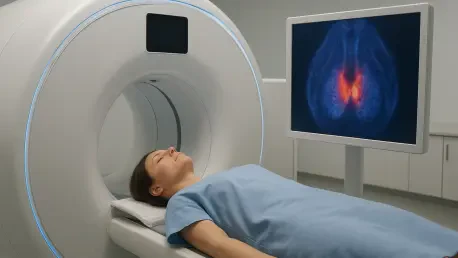
The diagnosis of metastatic medullary thyroid carcinoma is frequently hindered by the high physiological background activity of liver tissue in standard 18F-DOPA scans. This specific challenge is particularly problematic for patients with medullary thyroid carcinoma (MTC), a rare neuroendocrine
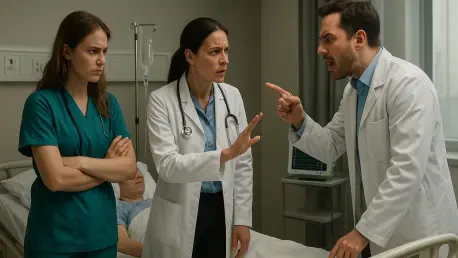
Research indicates that the willingness of a radiographer to correct a senior colleague is a prerequisite for maintaining the accuracy and safety of diagnostic procedures. This observation, emphasized in a major 2026 study published in Frontiers in Health Services, highlights a paradigm shift in