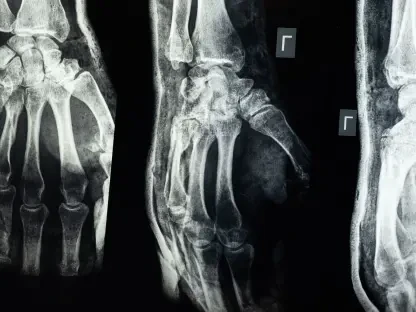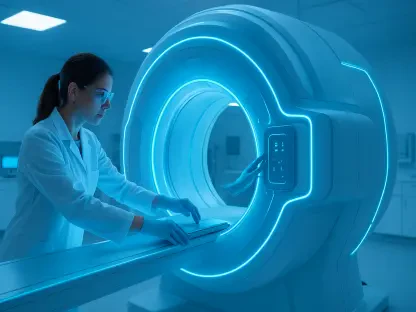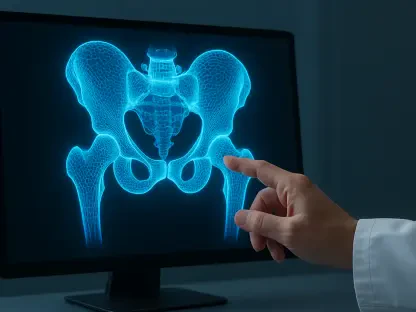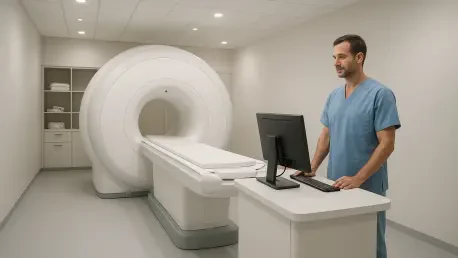
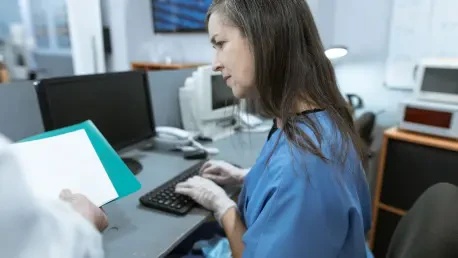
To address chronic staffing shortages, Nova Scotia has doubled the class sizes for medical radiation technologist and sonography programs at Dalhousie University, with a double cohort expected to enter the workforce by 2026. This aggressive expansion of the educational pipeline marks a pivotal
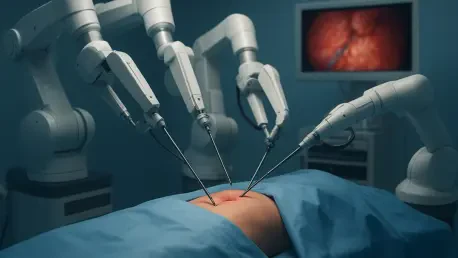
Surgeons utilize robotic arms to achieve a wider range of motion than the human wrist can provide, allowing for delicate maneuvers in tight anatomical spaces. This leap in technology has fundamentally altered the landscape of cancer treatment, moving away from the large incisions of the past. As of

The process of manually identifying and tracing brain lesions on magnetic resonance imaging scans remains one of the most significant bottlenecks in contemporary stroke research and clinical diagnosis. Historically, neurologists and radiologists have spent dozens of hours meticulously outlining

For millions of women worldwide, the journey toward an endometriosis diagnosis has historically been characterized by years of debilitating pain, frustrating clinical uncertainty, and a lack of definitive answers. Despite advancements in medical imaging such as specialized transvaginal ultrasounds

The increasing complexity of modern diagnostic imaging demands a level of coordination that traditional on-site hardware infrastructures often struggle to support in a fast-paced clinical environment. As medical facilities transition toward integrated digital ecosystems, the necessity for seamless
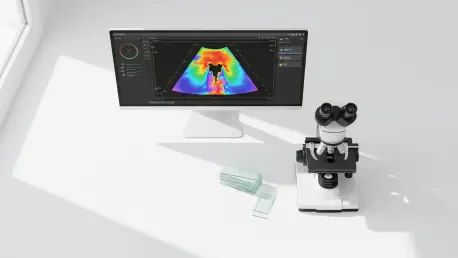
The diagnosis of secondary brain tumors represents one of the most significant clinical hurdles in modern oncology, as clinicians often struggle to differentiate between active disease and treatment-induced tissue changes. This diagnostic ambiguity is particularly prevalent among patients with lung