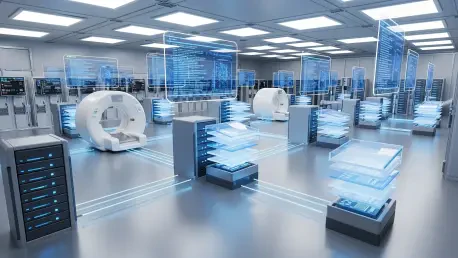
The healthcare technology sector is currently facing an unprecedented wave of regulatory hurdles as oversight bodies significantly increase the frequency of rejections for medical device submissions that do not meet rigorous cybersecurity criteria. This trend reflects a broader shift in the

The rapid adoption of generative artificial intelligence has fundamentally altered how individuals seek medical clarity, with millions now bypassing traditional search engines to engage in deep, descriptive dialogues with chatbots regarding their most private health concerns. This shift is

The unauthorized exposure of sensitive medical records belonging to approximately 100,000 New Zealanders has sparked a rigorous investigation into the structural and technical failures of the nation's healthcare infrastructure. This catastrophic breach, which surfaced through the attempted sale of
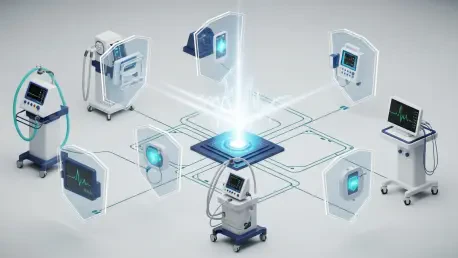
Hospitals and specialized clinics are increasingly recognizing that the traditional emphasis on administrative data privacy has been eclipsed by the urgent need to protect physical safety during a cyberattack. While the healthcare industry has spent years fortifying electronic records against
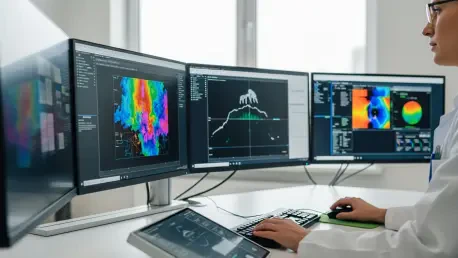
The rapid integration of sophisticated machine learning algorithms into the modern radiological workflow has fundamentally transformed how clinical institutions manage and protect sensitive patient information. While these technological advancements promise unprecedented diagnostic accuracy and

The rapid migration of therapeutic services to mobile platforms has created a digital sanctuary for millions of individuals seeking help, yet this migration has simultaneously opened a backdoor for unprecedented levels of personal data exploitation. While these applications present themselves as