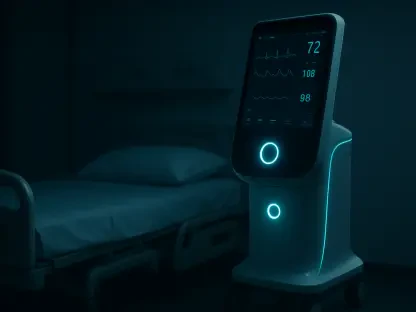

Modernizing healthcare administration is no longer optional for German facilities that must now compete in a landscape defined by strict audit regulations. The traditional reliance on manual coding and retrospective billing reviews has reached a breaking point, forcing medical centers to look

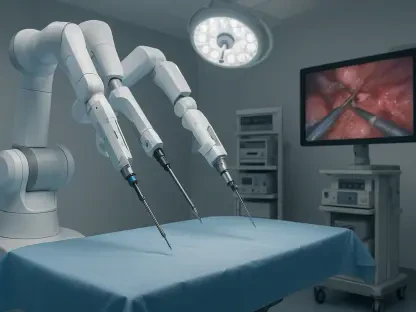
Successful adoption of robotic platforms requires a site-specific cultural integration involving nurses, technologists, and anesthesiologists alongside the primary surgeon. Emory University Hospital has established a profound benchmark in this evolution by becoming the first institution to
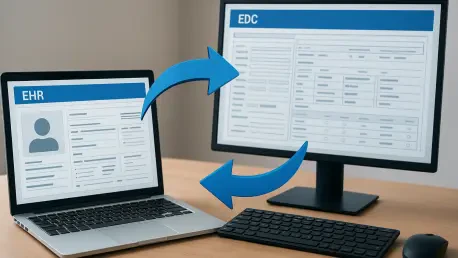
Embedding automated infrastructure into the organizational fabric of a research hospital eliminates the need for difficult mid-study technology transitions. For decades, the clinical research industry has been hindered by a repetitive and inefficient administrative hurdle known as "double entry,"

The global market for in-vitro inflammatory bowel disease diagnostics is projected to climb to USD 2.9 billion by 2034 as healthcare providers shift toward non-invasive protocols. This movement reflects a broader transformation within the gastrointestinal sector, where the focus is intensifying on

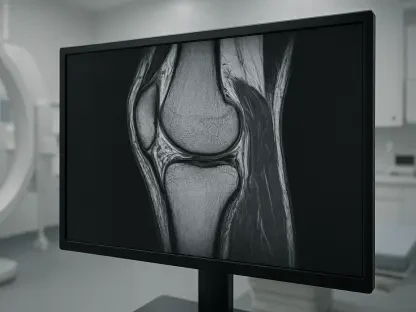
Surgeons can better predict the risk of failed back surgery syndrome by using automated metrics to evaluate a patient's physical condition before they enter the operating room. This technological shift addresses a longstanding gap in spinal diagnostics where clinicians traditionally focused on

Artificial intelligence serves as a vital defensive tool while simultaneously acting as a potential source of risk that requires strict human oversight. As of 2026, the complexity of medical data ecosystems has necessitated a transition from traditional, reactive auditing to a more aggressive,