
Powell Valley Healthcare CEO Todd Sandberg has identified the acquisition of a da Vinci Surgical System as a critical step for maintaining parity with neighboring medical facilities. This initiative represents a significant evolution in the regional healthcare landscape of the Big Horn Basin, where surgical robotics are transitioning from high-end optional extras into the bedrock of modern medical practice. For Powell Valley Healthcare, the integration of these sophisticated platforms is a strategic necessity aimed at ensuring patient safety and fostering institutional growth. The focus currently rests on two distinct technological pillars: the Mako robot, which is already functional in the orthopedic department, and the da Vinci Surgical System, which the hospital is aggressively moving to acquire. This shift acknowledges a growing professional consensus that robotic assistance provides a level of precision that manual methods cannot replicate. By adopting these high-tech tools, the facility is positioning itself to deliver specialized care that was once only available in metropolitan centers.
Advancing Orthopedic and General Surgery
Precision in Orthopedics: The Mako System
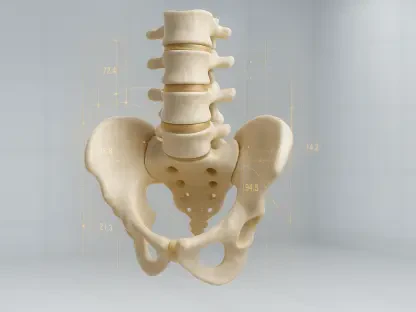
The Mako robot has already fundamentally changed the approach to orthopedic procedures at Powell Valley Healthcare by acting as a high-precision extension of the surgeon’s capabilities. Dr. Galen Mills of the Billings Clinic notes that the system functions with a degree of accuracy that makes even the most complex knee and hip replacements significantly more manageable. The process begins with advanced preparatory software that utilizes pre-operative CT scans to generate a three-dimensional digital anatomic model tailored to the specific patient. This allows the surgical team to meticulously plan the procedure and execute bone cuts with a level of exactness that traditional manual instrumentation often lacks. Because Powell Valley Healthcare currently holds the only Mako system in the immediate region, it has gained a considerable competitive advantage. This exclusivity not only draws patients seeking better implant alignment but also attracts surgeons who prioritize clinical efficacy and the reduction of human error during joint replacements.
Enhancing Soft Tissue Care: The da Vinci Platform
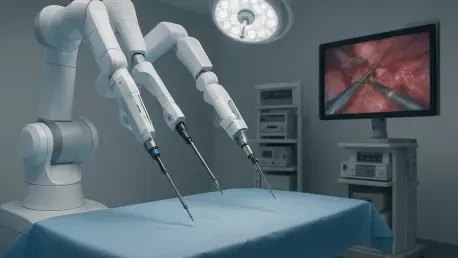
While the Mako system excels in bone-related procedures, the proposed acquisition of the da Vinci Surgical System is designed to revolutionize general surgery, urology, and gynecological care. Unlike orthopedic tools, the da Vinci platform is engineered for intricate procedures within the torso, offering minimally invasive capabilities that surpass traditional surgical methods. Dr. Rebecca Deal of Cody Regional Health describes the system as a transformative asset that provides high-precision movements, which ultimately reduce surgery duration and accelerate the recovery process for patients. The financial commitment required for such technology is substantial, with the price tag reaching approximately $2 million, excluding ongoing maintenance and support costs. Nevertheless, the hospital board and the Powell Medical Foundation view this investment as essential for regional competitiveness. Neighboring facilities in Lovell and Cody have already implemented similar systems, making it imperative for Powell Valley Healthcare to secure this technology.
Modernizing Recruitment and Patient Recovery
Attracting Talent: The New Standard of Medical Training
A primary driver behind the adoption of these robotic platforms is the evolving landscape of physician recruitment and medical training. For the current generation of medical residents and recent graduates, proficiency in robotic-assisted surgery has become the baseline expectation rather than a specialized skill set. Martine Grant, an executive assistant at the facility, has observed that most orthopedic surgeons entering the workforce now expect these advanced tools to be available in their professional environment. This trend is particularly critical as Powell Valley Healthcare looks to fill vacancies left by retiring specialists, such as long-term OB-GYN Dr. Jenkins Clarkson. CEO Todd Sandberg has noted that top-tier candidates for these positions often specify that they will only consider joining a rural hospital if it provides access to a da Vinci robot. Consequently, the investment in robotics has become a central human resources strategy, as failing to provide these tools would make it hard to attract highly trained doctors.
Clinical Excellence: Improving Outcomes and Longevity
Beyond the administrative benefits, the integration of these machines offers profound advantages for patient health and the long-term career viability of veteran surgeons. Robotic-assisted procedures are consistently associated with better clinical outcomes, including reduced physical trauma, minimal blood loss, and significantly smaller incisions. These factors lead to shorter hospital stays and a much faster return to daily activities, which is especially beneficial for elderly patients who might otherwise struggle with recovery. Providing these services locally prevents residents of the Big Horn Basin from having to travel long distances to metropolitan hubs like Billings for advanced care. Additionally, these systems provide ergonomic support to the medical staff. By allowing surgeons to operate from a seated, ergonomically optimized console, the physical strain of long procedures is greatly diminished. This advancement could potentially extend the active surgical careers of experienced doctors, keeping talent in the local community for longer periods.
Future Strategic Initiatives: Operational Success
The decision-making process regarding the financing of the da Vinci system moved toward a final resolution as the hospital board and foundation aligned their strategic goals. Leadership recognized that the transition to robotic-assisted medicine was no longer a future prospect but a current reality that demanded immediate action. By securing the capital for these systems, the organization prepared to bridge the gap between rural access and metropolitan standards of care. The next steps involved intensive training programs for existing staff and the integration of robotic surgical schedules into the daily workflow of the operating rooms. These initiatives were designed to ensure that the technological investment translated directly into measurable improvements in community health metrics. Moving forward, the focus shifted toward expanding the range of procedures performed, potentially including more specialized vascular surgeries. This proactive stance ensured that the facility remained a primary destination for both patients and medical professionals seeking surgical precision.