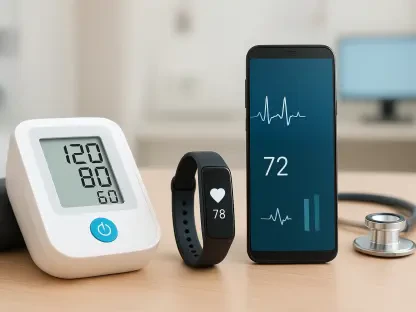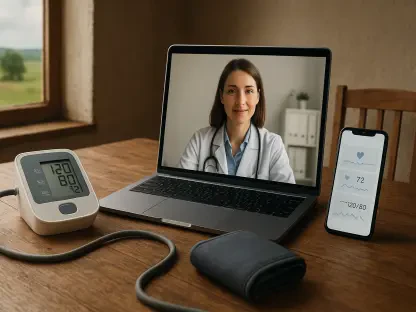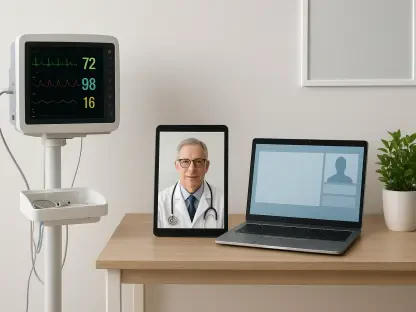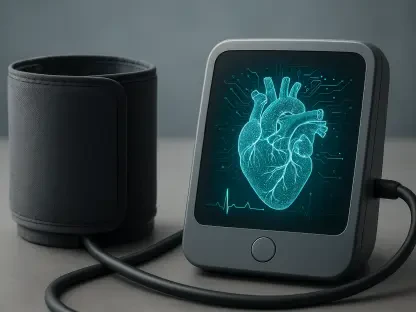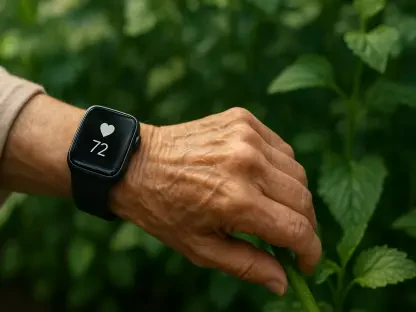
Remote Patient Monitoring (RPM) technologies are making significant strides in leveraging cardiac data to address critical challenges within healthcare systems. As the diversity of healthcare options expands and patient volumes continue to rise, the focus on patient retention and capacity

The transformative impact of the Medical Internet of Things (MIoT) on modern healthcare systems is poised to address many of the sector's pressing challenges. As the aging population and shortage of trained professionals strain healthcare services, technology like MIoT emerges as a potential
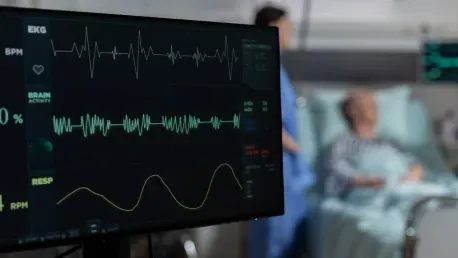
The handheld multi-parameter monitoring devices market is witnessing phenomenal growth, driven by an escalating demand for portable, real-time health monitoring solutions. From an anticipated valuation of USD 3.2 billion in 2024, the market is projected to soar to USD 5.3 billion by 2035, marking a

In this interview with James Maitland, an expert in robotics and IoT applications in medicine, we delve into the role of artificial intelligence (AI) in critical care pharmacy. We discuss its applications in clinical decision support systems (CDSS), dose optimization, tele-critical care, and

The market for Healthcare Smart Card Readers is evolving significantly from 2024 to 2030, exhibiting promising growth driven by the increased digitization of healthcare systems and mounting concerns over data security. As healthcare systems across the globe undergo a digital transformation, the

The University of Colorado’s health system (UCHealth) is making significant strides in empowering patients to make informed healthcare decisions. With initiatives focused on patient decision-support tools, the goal is to align medical treatments with patient values, preferences, and life goals.