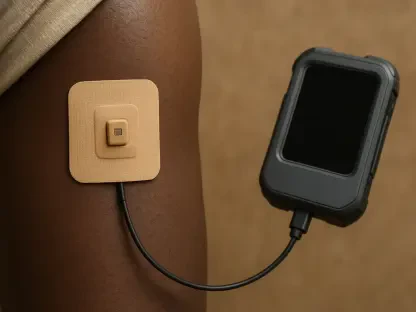

The rapid decentralization of healthcare has forced a fundamental shift in how individuals monitor their physiological well-being, moving complex diagnostics from sterile clinics directly onto the wrists and fingers of the general population. This transition is not merely a matter of convenience but a necessary response to the growing backlogs in public health systems and the increasing prevalence of professional burnout among medical practitioners. By the middle of the current decade, the landscape of personal health management has been completely transformed by wearable devices that offer more than just basic step counting; they now function as sophisticated health hubs. These modern systems provide granular insights into heart rate variability, blood oxygen saturation, and even real-time emotional state monitoring. To gauge the efficacy of these tools, rigorous long-term evaluations are conducted over several months, focusing on biometric accuracy and software intuitiveness. A successful device in the current market must find a delicate equilibrium between high-level data collection and aesthetic versatility, ensuring it remains comfortable and appropriate for both high-intensity athletic environments and formal professional settings. The shift toward proactive self-care has necessitated a more nuanced understanding of how technology interacts with biology, leading to a new era where data is the primary driver of wellness decisions.
Comprehensive Smartwatches: The Intersection of Utility and Health
The Huawei Watch Fit 5 Pro represents a significant move toward holistic wellness rather than a narrow focus on physical fitness. This device features a unique digital companion that actively encourages users to take periodic breaks and complete mini-workouts throughout the day, specifically addressing the sedentary nature of modern office work. With hyper-specific tracking capabilities for over 100 different sports, it offers a level of granularity that was once reserved for professional-grade equipment. The inclusion of a robust 10-day battery life ensures that users are not constantly tethered to a charging cable, allowing for more consistent data collection across both day and night. This longevity is particularly beneficial for those who want a visual and interactive guide to their daily health habits without the interruption of frequent power cycles. The design of the interface is geared toward providing immediate feedback, making it an ideal choice for individuals who require a proactive coach on their wrist to maintain a balanced lifestyle in an increasingly demanding work environment.
In contrast, the Apple Watch Series 11 is designed to function as a seamless extension of a user’s smartphone, emphasizing an integrated lifestyle ecosystem. While it excels in traditional smartwatch features such as mobile payments and emergency fall detection, its health monitoring capabilities are equally sophisticated. The device tracks everything from detailed sleep cycles to complex heart health metrics with high precision. However, the primary trade-off for this high level of functionality and deep integration with other mobile services is a shorter battery life. Most users find themselves adhering to a daily charging routine, which may inadvertently interfere with consistent overnight data collection, a critical component for long-term sleep analysis. Despite this limitation, the Apple Watch remains a top contender for those who prioritize a broad feature set and a high-resolution display over multi-day battery endurance. The sophisticated sensors and the frequent software updates provided by the manufacturer ensure that the device remains at the forefront of medical-grade consumer technology, offering peace of mind through its various safety and monitoring alerts.
Minimalist Form Factors: The Rise of Smart Rings and Discreet Sensors
The Oura Ring 5 offers a minimalist solution for individuals who wish to avoid screen fatigue while still receiving high-quality health insights from a discreet source. This lightweight device is capable of tracking over 50 specific health metrics, including skin temperature fluctuations and recovery readiness, all without the constant distraction of digital notifications. It is particularly valued for its advanced sleep analysis, which provides users with a deep understanding of their circadian rhythms and overall rest quality. However, potential users must factor in a recurring monthly subscription cost to access the full depth of their biometric data, a trend that is becoming increasingly common in the high-end wearable market. The ring’s form factor allows for 24/7 wear with minimal discomfort, making it an excellent choice for those who find traditional watches too bulky for sleep or formal occasions. Its ability to blend into a variety of wardrobes as a piece of jewelry rather than a tech gadget has made it a favorite among professionals who value both data and aesthetics.
For those seeking a more budget-friendly entry into the smart ring market, the Gabit Smart Ring provides a compelling alternative that eliminates recurring subscription fees. It stands out in the crowded marketplace by integrating meal logging and personalized nutritional coaching directly into its platform via a sophisticated AI health assistant. This integration allows users to see the direct correlation between their dietary choices and their physical performance or recovery. However, the hardware itself features a slightly bulkier design compared to its premium competitors, which can sometimes result in less comfort during specific physical activities or manual labor. While it may lack some of the aesthetic refinement found in more expensive, jewelry-like alternatives, the Gabit ring offers a practical and cost-effective solution for health-conscious individuals. By providing actionable nutritional advice alongside standard biometric tracking, it addresses a critical gap in many health management routines, helping users to better understand the holistic nature of wellness and the importance of fueling the body correctly for their specific goals.
Specialized Biometrics: Performance Tracking and Artificial Intelligence
The WHOOP 5.0 occupies a specialized niche in the market as a screenless band that prioritizes pure biological data over traditional smartwatch features. Its flexible design allows it to be worn on the wrist, the ankle, or even integrated directly into specially designed athletic clothing, making it a favorite among professional athletes and high-performance enthusiasts. Because the device lacks a watch face or any form of a screen, it removes the constant temptation to check notifications or time, keeping the user entirely focused on their physical output and recovery trends. The accompanying mobile application is where the data truly comes to life, providing detailed reports on physiological strain and long-term trends in heart rate variability. This approach appeals to individuals who are less interested in the bells and whistles of a standard smartwatch and more concerned with the granular details of their body’s performance. The modular nature of the hardware also ensures that it can be adapted to various sporting environments where a traditional wrist-worn device might be impractical or prohibited.
Leveraging the power of Google’s Gemini AI, the Fitbit Air provides a highly personalized coaching experience that adapts to the user’s specific needs in real time. The device creates adaptive training plans that adjust based on a variety of factors, such as current sleep quality, recent activity levels, and even recovery from minor injuries. While the hardware is incredibly lightweight and ideal for continuous 24/7 wear, some users have noted that the accompanying app can be somewhat text-heavy and complex. This requires a steeper learning curve for those who are not accustomed to navigating dense data visualizations and detailed health reports. Nevertheless, the integration of advanced artificial intelligence allows the Fitbit Air to offer insights that go beyond simple data reporting, providing users with a clear understanding of why certain metrics are fluctuating and what actions they can take to improve their health. The focus on actionable advice and personalized goal setting makes it a powerful tool for those who want to take a more scientific approach to their fitness journey without needing an external human coach.
Market Evolution: Recovery Metrics and Long-Term Strategic Planning
A significant trend across the entire wearable market is the newfound emphasis on recovery and rest rather than just focusing on active calories burned. Most major manufacturers now recognize that sleep quality and heart rate variability are just as critical to long-term health as physical exertion. This shift in perspective has led to the widespread development of “readiness scores,” which help users decide when to push their physical limits and when to prioritize rest to prevent overtraining and burnout. By quantifying the body’s internal state, these devices empower individuals to make more informed decisions about their daily routines, ultimately leading to more sustainable health outcomes. This evolution reflects a broader societal understanding that peak performance is only possible when the body is properly recovered. As a result, the dialogue around fitness has expanded to include mental well-being and physiological resilience, making these trackers indispensable for anyone looking to maintain a high level of functioning in both their personal and professional lives.
The wearable industry is also witnessing a clear divide between all-in-one smartwatches and data-first trackers regarding battery performance and overall design philosophy. While high-end smartwatches offer an impressive array of lifestyle features and interactive displays, they often struggle with longevity, requiring frequent charging that can disrupt continuous monitoring. In contrast, minimalist rings and screenless bands often last a week or more on a single charge, providing a more consistent and reliable stream of health data. Additionally, the rise of the subscription-based business model means that many users now view their health data as a continuous service rather than a one-time hardware purchase. This model often includes ongoing software updates, new feature releases, and more detailed long-term analysis, though it also adds a recurring cost to the user’s budget. Understanding these trade-offs is essential for consumers who are looking for a device that aligns with their specific lifestyle priorities, whether they value high-tech integration or discreet, long-term monitoring.
The Strategic Choice: Future Considerations in Personal Wellness Management
The selection of a health tracker eventually became a matter of balancing immediate utility with long-term data sustainability. Users who required a device that managed both their digital lives and their physical health often leaned toward the Apple Watch Series 11, despite its battery constraints. Those who sought to minimize their screen time while maximizing their biometric insights found the Oura Ring 5 to be the most appropriate choice for their minimalist lifestyles. For dedicated athletes, the granular data provided by WHOOP 5.0 or the Huawei Watch Fit 5 Pro offered the necessary precision to fine-tune their training and recovery protocols. Meanwhile, the Gabit Smart Ring served as a gateway for the budget-conscious, proving that sophisticated health monitoring did not always require a premium price tag or recurring fees. The diversity of the market ensured that there was a specialized tool for every type of user, regardless of their specific goals or technical expertise.
The ultimate success of these devices was determined by how effortlessly they integrated into the daily routines of their users. Those who took the time to understand their “readiness scores” and adjusted their activity levels accordingly saw significant improvements in their overall well-being and a reduction in stress-related illnesses. The most effective next step for any individual was to prioritize data privacy and ownership, ensuring that the vast amounts of biometric information collected remained secure and under their control. As the industry continued to evolve, the focus shifted from mere data collection to the intelligent application of that data to solve real-world health challenges. Future considerations for users involved looking for platforms that offered interoperability between different devices and services, allowing for a more comprehensive view of their health ecosystem. By embracing these sophisticated tools, individuals successfully took charge of their personal health management, leading to a more proactive and informed global population.