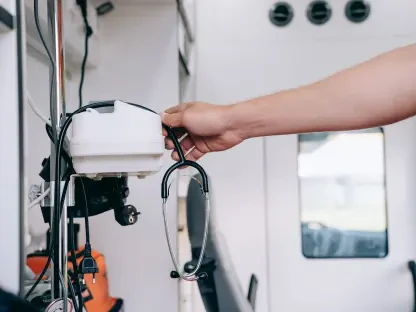

Less than two percent of ground ambulances across the United States currently possess the specialized equipment and blood products needed to perform transfusions before reaching a hospital. This critical gap in emergency medical services highlights the immense pressure placed on local blood banks to maintain adequate supplies for trauma centers and surgical wards. In Chattanooga, a new initiative has emerged to address this challenge by integrating comprehensive health screenings into the traditional donation process. By offering free laboratory tests to those who give blood, organizers hope to bridge the divide between community health monitoring and emergency preparedness. This strategy recognizes that while the altruistic desire to save lives remains a powerful motivator, providing tangible health insights can significantly increase participation rates among younger demographics and those who may not regularly visit a primary care physician. The program effectively transforms a standard blood drive into a mobile health clinic, fostering a culture of wellness that benefits both the recipient and the individual donor.
Diagnostic Innovation: Incentivizing Community Health Through Screening
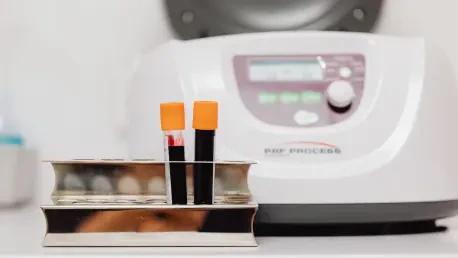
The scope of the laboratory services provided during these sessions goes well beyond the basic iron levels and blood typing typically associated with donation centers. Participants receive detailed reports covering total cholesterol, high-density lipoprotein, and blood glucose levels, which serve as early indicators for cardiovascular health and metabolic function. This proactive approach to public health allows residents to identify potential issues before they escalate into chronic conditions requiring intensive medical intervention. By leveraging the existing infrastructure of blood collection sites, the city is able to gather valuable anonymized data on regional health trends while rewarding donors with personal health data that would otherwise cost hundreds of dollars at a private lab. The integration of these tests represents a shift toward a more holistic view of the donor experience, where the act of giving is met with a direct benefit that empowers the individual to take charge of their own medical narrative within the local system.
Executing such a sophisticated operation requires seamless coordination between blood centers and regional diagnostic facilities. Local hospitals have partnered with these drives to provide the technical expertise and equipment necessary for processing samples with high accuracy and efficiency. This collaboration ensures that results are delivered securely through digital portals, maintaining strict patient confidentiality while providing actionable information. Furthermore, the initiative has seen a marked increase in first-time donors who were previously hesitant or indifferent to traditional appeals. By marketing the event as a dual-purpose health check, organizers have managed to tap into a demographic that values data-driven wellness. The logistical success of this model suggests that the traditional barriers to blood donation, such as time constraints and lack of perceived personal value, can be overcome through thoughtful service integration. This model is currently being evaluated for broader implementation across the state from 2026 to 2028 to stabilize regional blood inventories.
Strategic Outcomes: Strengthening Emergency Response and Future Resilience
The emphasis on robust local blood supplies is directly linked to the evolving standards of pre-hospital trauma care. As medical directors advocate for the inclusion of whole blood on more ground and air ambulances, the demand for fresh, diverse blood types has reached unprecedented levels. In Chattanooga, the success of the lab-incentivized drives has allowed the local blood center to maintain a three-day surplus, which is essential for rapid deployment to emergency scenes. This availability is particularly crucial for victims of motor vehicle accidents or severe trauma who require immediate stabilization before they can be safely transported to a level-one trauma center. By ensuring that local supplies are always topped off, the community is essentially investing in its own safety net. The program demonstrates that when the public is given a concrete reason to participate in the healthcare ecosystem, the overall resilience of the emergency response network improves, leading to better outcomes for patients in the critical first hour of injury.
The successful implementation of this diagnostic-focused blood drive provided a clear blueprint for future public health strategies. It demonstrated that community members were highly responsive to programs that offered mutual benefit, bridging the gap between individual wellness and collective necessity. Stakeholders observed a significant uptick in donor retention, as participants expressed a desire to track their health metrics over multiple cycles. This feedback prompted local officials to consider expanding the range of screenings to include markers for kidney function and additional vitamin deficiencies in upcoming phases. By analyzing the demographic data collected, health departments identified specific neighborhoods that required more targeted outreach. The shift toward a more integrated healthcare model showed that standard donation events served as powerful tools for epidemiological surveillance and personalized medicine. These outcomes established a foundation for a future where every event served as a vital touchpoint for health management.