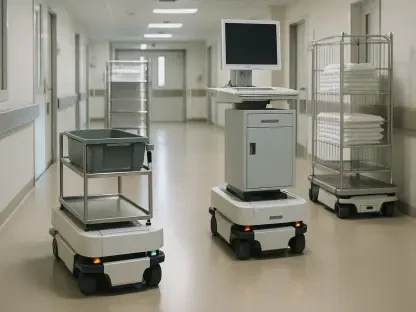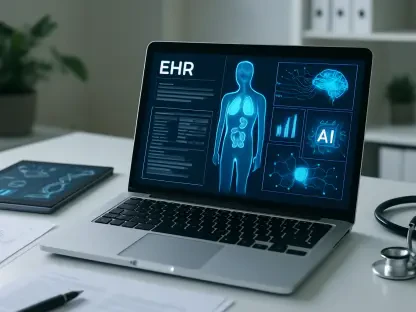

In the corridors of top-tier medical facilities where surgeons command robotic scalpels with sub-millimeter accuracy, the life-saving pace of modern medicine often grinds to a sudden halt at the screeching beep of a desktop fax machine. While pharmacological breakthroughs and AI-driven diagnostics
The historical reliance on fragmented communication channels such as manual fax machines and disconnected PDF documents has long acted as a bottleneck for clinical laboratories and hospital systems seeking to optimize patient care cycles. For decades, the labor-intensive process of transcribing
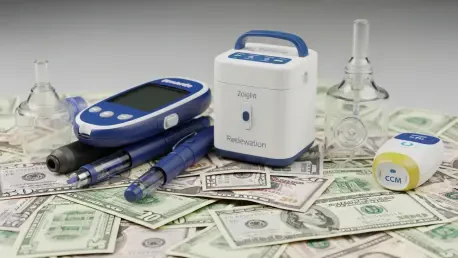
The healthcare sector has long struggled with a persistent regulatory disconnect that leaves patients waiting for innovative treatments even after federal safety regulators have given their official stamp of approval, creating a period of uncertainty often referred to as the medical device valley

The modern hospital ward has become an intricate web of digital complexity where clinicians frequently find themselves acting as data navigators rather than primary caregivers. As patient acuity rises and the sheer volume of medical devices continues to expand, the traditional methods of managing
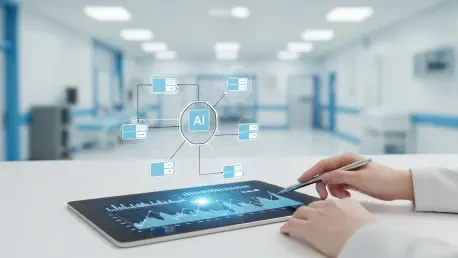
James Maitland brings a unique perspective to the intersection of clinical care and technological innovation. With a career dedicated to the integration of robotics and IoT in medicine, he has closely followed the decade-long journey of researchers at Johns Hopkins to revolutionize how we combat
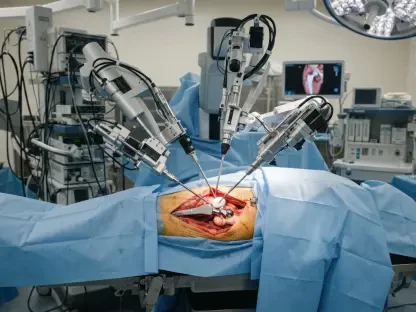
The seamless integration of high-precision robotic systems into the modern surgical suite has moved decisively from a theoretical aspiration to a fundamental component of contemporary medical practice globally. While the conceptualization of autonomous machines in medicine was once relegated to the