
The historical reliance on fragmented communication channels such as manual fax machines and disconnected PDF documents has long acted as a bottleneck for clinical laboratories and hospital systems seeking to optimize patient care cycles. For decades, the labor-intensive process of transcribing laboratory orders and manually uploading results into electronic health records created significant risks for data entry errors and delayed clinical decision-making. As the healthcare industry moves toward a more unified digital infrastructure, the expansion of the partnership between Labcorp and Epic represents a critical shift in how diagnostic data is managed across the United States. By integrating the full breadth of Labcorp’s diagnostic testing menu into the Aura platform, healthcare providers can now bypass the traditional, cumbersome IT projects that were previously required to connect individual laboratory services with hospital systems. This transition is not merely a technical upgrade but a fundamental redesign of the diagnostic workflow that prioritizes immediate data availability and physician efficiency.
Streamlining Clinical Workflows Through Digital Interoperability
The primary objective behind the integration of Labcorp’s extensive diagnostic catalog into the Aura platform is to eliminate the technical friction that has historically plagued large-scale healthcare networks. In the past, whenever a hospital system wanted to add a specific laboratory’s services to its internal ordering system, it often required a bespoke software development project that could take months to complete and test. By leveraging Epic’s specialized Aura network, Labcorp allows medical facilities to access a comprehensive suite of testing options directly within their existing digital environment without the need for custom coding or individual system configurations. This plug-and-play approach significantly reduces the administrative burden on internal IT departments, allowing them to focus on patient-facing technologies rather than backend maintenance. Consequently, the time required to onboard new clinics or specialty practices into the network is drastically shortened, ensuring that patients receive timely access to essential diagnostic screenings.
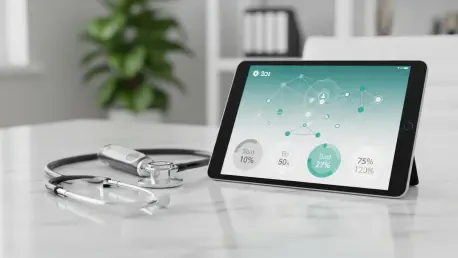
Beyond the initial setup advantages, the integration provides a level of operational consistency that was previously unattainable for many regional healthcare providers. When laboratory results are delivered as static PDF files, clinical staff must often manually extract data points to update patient trends or trigger automated alerts within the electronic health record. The Aura platform facilitates a structured data exchange that ensures laboratory findings are automatically populated into the correct fields, allowing for seamless longitudinal tracking of patient health metrics over several years. This reduction in manual workarounds minimizes the risk of human error, which is a frequent source of concern in high-volume clinical settings where every minute counts. As medical practitioners from 2026 to 2028 increasingly rely on real-time data to manage chronic conditions, having a direct and standardized pipeline for laboratory results becomes an indispensable asset for maintaining high standards of care and improving overall health outcomes for diverse populations.
Consolidating Diagnostic Services Within Centralized Digital Hubs
The expansion of Labcorp’s presence on the Aura platform follows its strategic acquisition of Invitae, a move that initially focused on specialized genetic testing but has now evolved to encompass a total diagnostic suite. This evolution reflects a broader movement within the medical technology sector where industry leaders are consolidating their digital offerings within centralized hubs to provide a more cohesive experience for clinicians. Labcorp now joins other major competitors such as Quest Diagnostics, Exact Sciences, and Guardant Health on the platform, signaling a rare industry-wide consensus on the importance of standardized data exchange. For a healthcare provider, this means they no longer have to navigate multiple proprietary portals or varying interface protocols to order different types of tests. Instead, a single, unified interface serves as the gateway for everything from routine blood work to advanced molecular diagnostics, creating a much more intuitive environment for busy medical professionals.
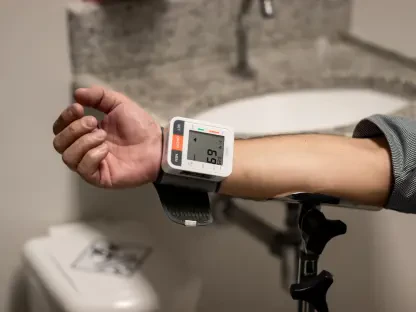
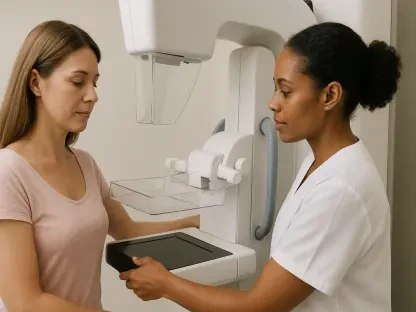
This trend toward centralization is not limited to traditional laboratory diagnostics but is also pulling in the medical device sector to create a multi-modal diagnostic ecosystem. Companies like iRhythm Technologies, Boston Scientific, and Philips are actively working to integrate their cardiac monitoring and diagnostic tools into the same digital infrastructure. This holistic approach ensures that a physician can view laboratory results alongside telemetry data or imaging reports within a single patient record, providing a comprehensive view of the individual’s health status. By breaking down the silos between different diagnostic modalities, the industry is moving toward an era where the data follows the patient seamlessly across different care settings. This level of integration is essential for supporting complex clinical pathways, particularly in oncology and cardiology, where the intersection of laboratory data and physiological monitoring is critical for determining the most effective course of treatment for the patient.
Enhancing Data Accessibility and Future Healthcare Scalability
Healthcare organizations should prioritize the adoption of standardized digital interfaces to ensure that their diagnostic capabilities remain scalable as patient volumes and data complexity increase. The transition from legacy communication methods to integrated platforms like Aura was a necessary step to support the growing demand for precision medicine and rapid diagnostic feedback. Decision-makers in hospital systems must evaluate their current laboratory interfaces to identify areas where manual intervention is still required, as these points of friction will likely become significant liabilities in an increasingly automated environment. Investing in deep integration with primary diagnostic partners allowed institutions to redirect their human resources away from clerical tasks and toward direct patient engagement and complex clinical analysis. This shift was essential for maintaining financial viability while simultaneously improving the quality of service provided to the community in an era of tightening healthcare budgets.
Building a resilient digital foundation required a proactive approach to interoperability that extended beyond simple data transmission to include data integrity and security. As diagnostic networks became more interconnected, the importance of maintaining standardized terminologies and secure exchange protocols grew, ensuring that information remained accurate as it moved between different stakeholders. Future considerations for healthcare leaders involved expanding these digital connections to include home-based diagnostics and wearable health technologies, which are becoming integral components of the modern patient record. By establishing a robust framework for laboratory integration today, healthcare systems paved the way for a more flexible and responsive diagnostic environment. This strategy not only addressed the immediate needs of clinicians but also created a sustainable model for incorporating future technological advancements without disrupting the continuity of care for the patients who rely on these vital services every day.