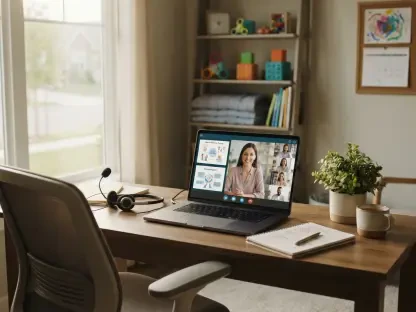

The rapid decentralization of the modern medical landscape has effectively dismantled the long-standing monopoly once held by massive hospital networks and centralized corporate entities over the delivery of digital care. While the high costs of regulatory compliance and the complexity of

The European regulatory landscape for medical technologies is currently undergoing its most significant transformation in decades as agencies strive to balance rapid scientific advancement with the non-negotiable requirement for patient safety. This shift moves away from a one-size-fits-all

The rapid evolution of generative artificial intelligence has fundamentally altered the landscape of consumer electronics, moving wearables from simple pedometers to sophisticated diagnostic tools. Samsung has positioned its latest software suite at the forefront of this shift, integrating complex
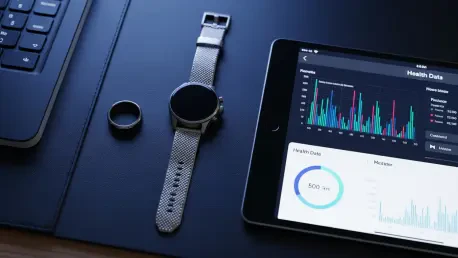
The transition from simple step counters to sophisticated health monitors has fundamentally altered how individuals perceive their personal biological data and daily physiological trends. Today, a wearable device is no longer just a luxury accessory but a critical component of a proactive health

Medical practitioners have long struggled with the limitations of static diagnostic software that remains frozen in time once its initial training phase is complete, often failing to account for the rapid emergence of new viral strains or shifting demographic health trends. Unlike conventional

The landscape of modern medical practice is increasingly defined by a relentless tension between clinical excellence and the crushing weight of administrative bureaucracy that threatens to strip physicians of their professional autonomy. As independent dermatology practices navigate the